Is an anti-inflammatory diet right for you?
You’ve probably heard the phrase “food is medicine.” An anti-inflammatory diet is one way your everyday food choices can support your health. By focusing on whole, nutrient-dense foods and limiting ultra-processed foods, added sugars and certain fats, this approach may help calm long-term inflammation linked to a range of health conditions.
Wondering if it might be a good fit for you? It can help to start with a basic understanding of how inflammation works in the body — and how food fits in.
What is inflammation?
Inflammation is your body’s natural response to injury, illness or harmful substances. It’s an important part of healing.
When your body detects a problem, it sends inflammatory cells to protect and repair the area. This process can lead to symptoms such as pain, swelling or changes in skin color. While these may feel uncomfortable, they’re often signs your body is doing its job.
Acute inflammation happens quickly and usually resolves within a few days. Chronic inflammation, on the other hand, can last for months or longer when the immune system stays active over time.
Inflammation and the body
Depending on the cause, symptoms may include:
- Abdominal pain
- Chest pain
- Depression or anxiety
- Discolored skin
- Fatigue or trouble sleeping
- Gastrointestinal issues like diarrhea, constipation or acid reflux
- Joint pain or stiffness
- Pain, tenderness or swelling at an injury site
- Reduced range of motion
- Skin rash
Long-term inflammation has been linked to a variety of conditions, including heart disease, autoimmune disorders, digestive conditions, lung disease, diabetes, certain cancers and cognitive conditions.
Treating inflammation
Acute inflammation often improves on its own. If you’ve had a minor injury, rest or cold therapy — like an ice pack for 15 to 20 minutes every few hours — may help. Your doctor may also recommend medications such as nonsteroidal anti-inflammatory drugs (NSAIDs).
For longer-term, whole-body inflammation, lifestyle habits can make a difference. That’s where nutrition comes in. Foods like fruits, vegetables and fatty fish contain nutrients that may help support the body’s natural processes. Researchers are still learning how these foods work, but components like fiber and antioxidants are thought to play a role.
The anti-inflammatory diet
If you’re looking to support your health or lower your risk of chronic conditions, the Mediterranean-style way of eating is often used as a guide. It’s flexible and focuses on balanced, whole foods rather than strict rules.
Foods to include:
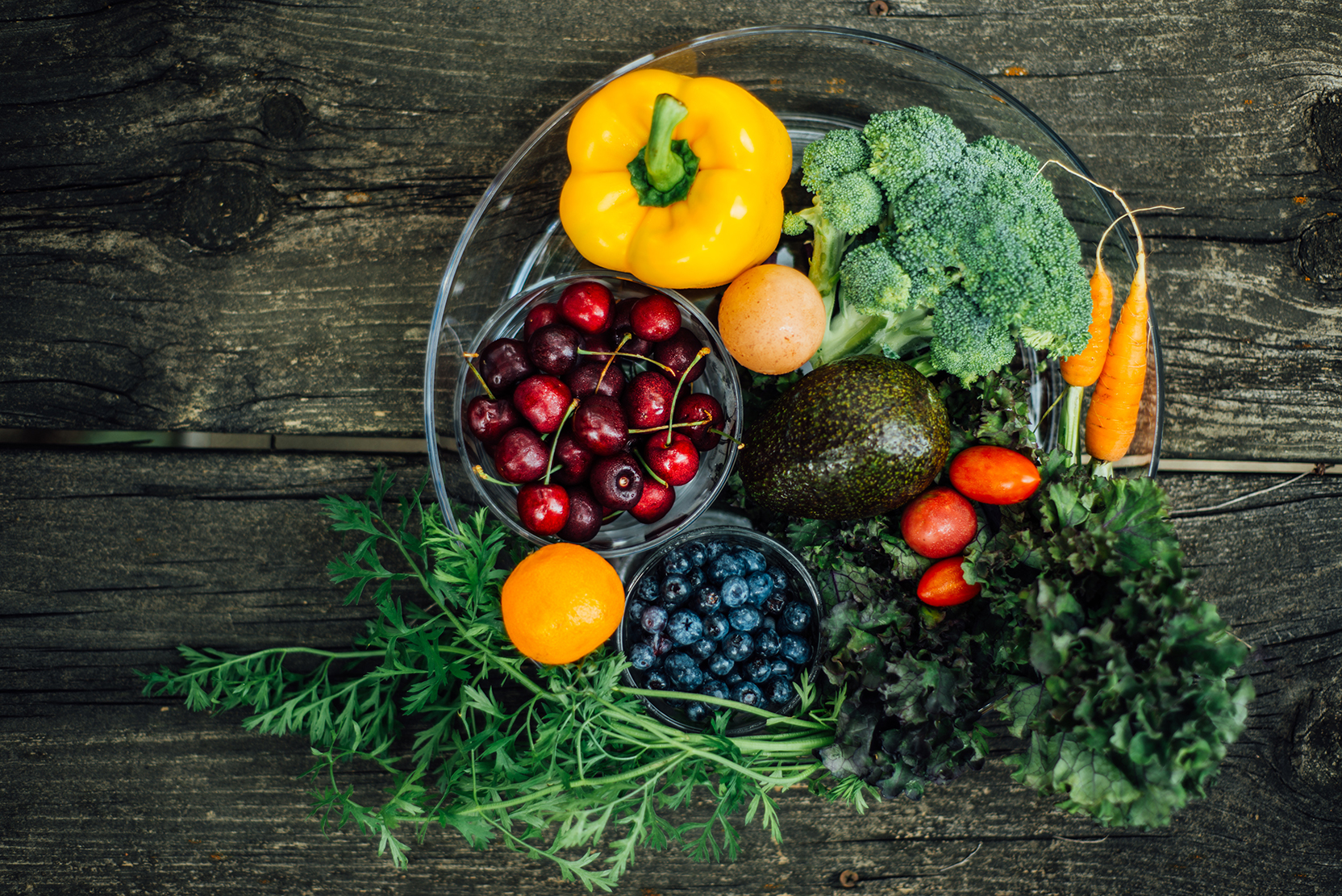
An anti-inflammatory diet often emphasizes:
- Fruits such as blueberries, strawberries, oranges and apples
- Vegetables like broccoli, spinach, kale, tomatoes and sweet potatoes
- Whole grains such as brown rice, quinoa and oats
- Legumes including lentils, chickpeas and black beans
- Nuts and seeds like almonds, walnuts, chia seeds, flaxseeds, pumpkin seeds and sunflower seeds
- Fatty fish such as salmon, sardines, mackerel and herring
- Herbs and spices like turmeric, ginger and garlic
- Beverages such as water, and unsweetened black or green tea
- Coffee in moderation, ideally without added sugar
- Dark chocolate with at least 70% cocoa
Foods to limit:
You may also choose to limit foods that are more likely to contribute to inflammation, such as:
- Alcohol
- Foods high in saturated fats, including full-fat dairy and fatty meats
- Fried foods
- Refined carbohydrates like white bread, pasta and white rice
- Sugary drinks such as soda and sweetened juices
- Ultra-processed foods, including packaged meals and snacks, processed meats, instant noodles and heavily sweetened or flavored products
Other lifestyle habits — like staying active, managing stress and getting enough sleep — can also support your overall health.
An anti-inflammatory diet isn’t a cure or a one-size-fits-all solution. But for many people, it can be one helpful way to support their overall well-being. If you have a medical condition or specific concerns, it’s a good idea to talk with your doctor or a nutrition professional.
Explore related topics
Eat well, feel good
Our nutrition teams offer personalized support to help you build a way of eating that fits your life and supports your long-term health.
Meet our care team