Menopause self-care
The menopause transition is a time when your hormones are dramatically shifting. These shifts can lead to menopause symptoms such as hot flashes and night sweats, difficulty sleeping, mood fluctuations, brain fog and more. Some women also experience vaginal dryness, discomfort during sex or urinary symptoms such as urgency and frequent urination. These symptoms can affect quality of life, but a little self-care can go a long way in helping you feel better.
“Menopause is a natural state, and not a disease state,” says Vidhi Shah, M.D., an internal medicine physician with Sutter. “A lot can be handled with self-care, following some routines, taking some extra care of yourself, and paying attention to your needs with diet, exercise, supplements and such.”
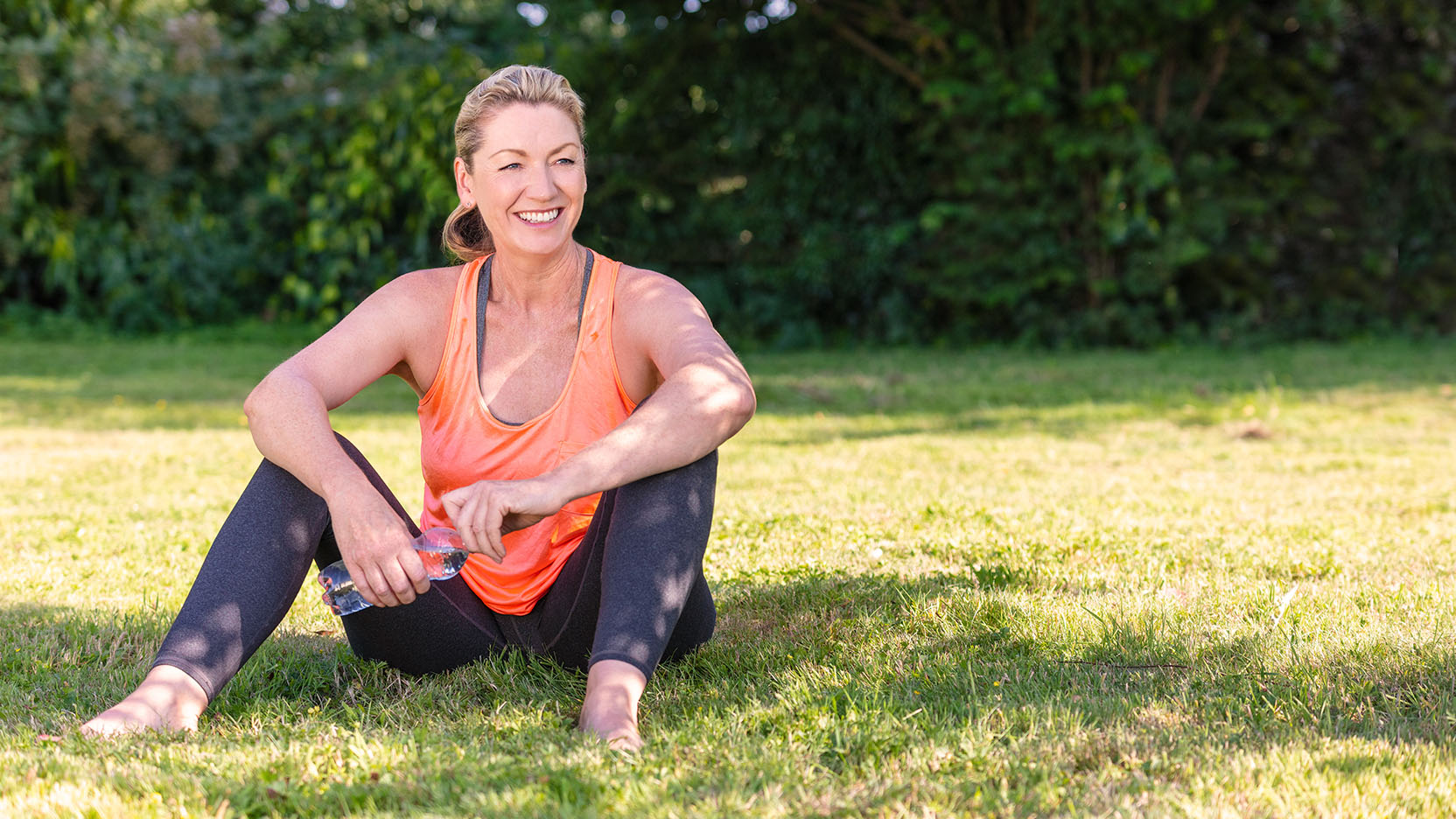
Lifestyle changes for menopause symptoms
Shah encourages focusing on four areas of self-care: sleep, exercise, stress relief and diet to help manage menopause symptoms.
For boosting your sleep quality, she recommends trying a meditation app to help you wind down for the evening. Some people find magnesium supplements helpful, but talk with your healthcare provider before starting any supplement.
For exercise, she recommends a mix of types. These include stretching to maintain flexibility and mobility, strength training to support muscle mass, engaging in cardio activities to support heart health and using balancing exercises for fall prevention.
What about stress? “A lot of people can manage stress if they can get time for exercise and sleep,” Shah says. But for additional relief she likes to have an in-depth discussion about what’s causing stress.
“Women at this age are doing so much,” she says. “They’re taking care of kids, parents, their job.” Finding ways to simplify routine can help. Some people ask about supplements for stress and sleep. Talk with your healthcare provider before trying supplements, as effectiveness and safety can vary.
What are the best foods for menopause? Shah recommends focusing on protein and fiber. She suggests planning three meals a day and two protein-forward snacks. For meals, dedicate one-fourth of your plate to lean protein.
“Adequate protein can help support muscle mass and overall health during menopause,” she says. “The number we use is one gram of protein per one pound of the ideal body weight.” For fiber, Shah recommends aiming for at least 25 grams per day.
How to combat hot flashes
If you are experiencing hot flashes, some prescription options can help. However, Shah also has some self-care tips.
Wear breathable clothing and dress in layers so you can add or remove pieces as needed. She also recommends carrying a handheld fan for added comfort. Staying hydrated also helps, as does engaging in regular physical activity, which may help your body better manage temperature shifts.
Hormone therapy may also be an option for you. “Hormones are the best option when applicable,” Shah says. “Hormone therapy is considered safe and effective for many women, though it isn't appropriate for everyone.” Not everyone is a candidate for hormone therapy or all forms of it. But a conversation with your doctor can help you figure out what’s best for you.
Some herbal remedies have been studied for menopause symptoms, but results have been mixed. Because supplements can interact with medications, talk with your healthcare provider before trying them.
"Menopause is a transition that everyone goes through. How we thrive through it is our choice. Let’s make that choice an empowered one!," says Shah.
Explore related topics
Care for Every Stage of Life
From annual exams to menopause support, our women’s health providers are here to listen with respect and compassion.