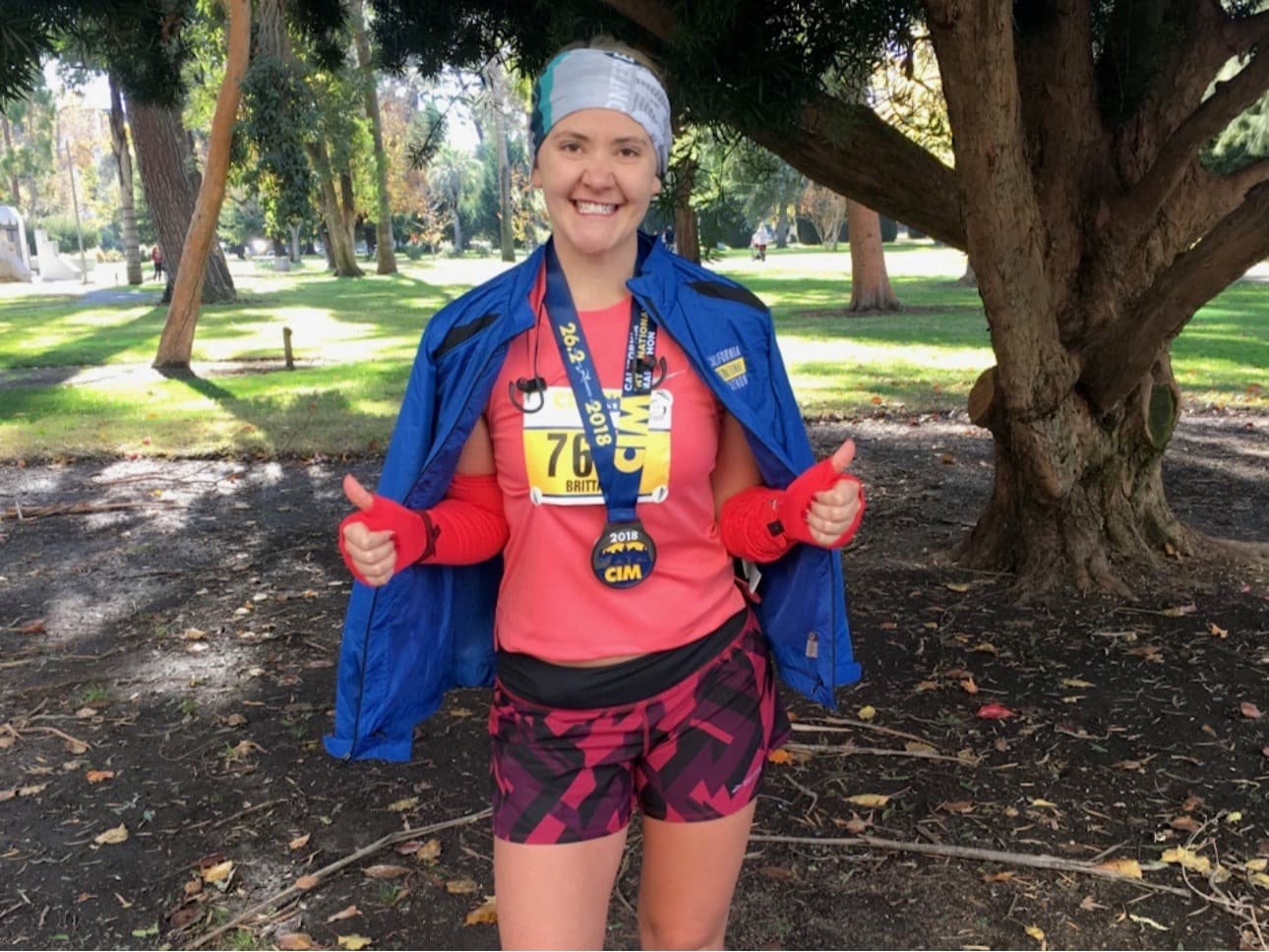
Preparing for a half or full marathon requires more than just logging miles. It demands a strategic approach to nutrition, one that can elevate performance and support recovery. For Brittanie Tovar, a registered dietitian and certified diabetes care and education specialist at Sutter Health, that connection between food and fitness is deeply personal.
A lifelong athlete and former collegiate tennis player turned marathoner, Tovar discovered her passion for nutrition in high school. “I realized early on that what I ate had a direct impact on how I felt, how I performed and how quickly I recovered,” she said. “That awareness sparked a lifelong commitment to understanding how nutrition can enhance both athletic performance and overall health.”
Today, Tovar brings that same commitment to her work with patients and athletes. Having completed the California International Marathon (CIM) and several half marathons, she speaks from experience when she says that nutrition can make or break a race.
“Before a workout or race, the goal is to top off your energy stores,” Tovar said. “Your pre-run meal should be rich in carbohydrates, with moderate protein and minimal fat or and fiber to avoid stomach upset.” A whole-grain bagel with peanut butter and honey or jam, banana and sports drink containing carbohydrates and electrolytes is an example of a pre-run breakfast meal.
She recommends eating a meal at least two hours before a long training workout or race to allow time for adequate digestion. For early morning runners, with limited time for a workout, a banana with a spoonful of nut butter can be a simple and effective option. Or an energy bar with carbohydrates and about 15 grams protein.
Hydration is equally important. “If you’re running longer than 90 minutes, you need water along with a sports drink that contains electrolytes and carbohydrates,” she said. “This helps sustain energy and replace what’s lost through sweat.”
Tovar also emphasizes the importance of practicing mid-race fueling strategies during training. “Race day is not the time to experiment,” she said. “Use your long runs to find out what your stomach tolerates, whether it’s gels, chews or small bites of real food.” She advises aiming for 30 to 60 grams of carbohydrates per hour during endurance events.
Recovery nutrition, she added, is critical. “Ideally, within 45 minutes of finishing, you should consume a mix of carbohydrates and high-quality protein,” Tovar said. “Chocolate milk and a banana are a classic combination.” Within two hours, she recommends a balanced meal such as an egg and veggie omelet, whole-grain toast, fruit and avocado to replenish glycogen and support muscle repair.
Recovery doesn’t end at the finish line. “Your body may not feel hungry right away, but it still needs nutrients,” she said. “Keep hydrating, eat balanced meals and listen to your body as it rebuilds.”
For Tovar, the right nutrition plan is about more than just faster times. It’s about feeling strong, staying healthy and enjoying the journey. “Whether you’re running your first 5K or your tenth marathon, fueling properly allows you to perform at your best and truly enjoy the experience,” she said.
Sutter Health is the presenting sponsor and official medical team and health partner of the California International Marathon and the San Francisco Half Marathon. For more information on the CIM, visit runsra.org/california-international-marathon. For details about the 2026 San Francisco Half Marathon, including registration, charitable partnerships and sponsorship opportunities, visit sanfranciscohalfmarathon.org.
For more information on health and wellness, visit Sutter Health’s Health Living Blog here.