


12 Practical Tips for Weight Loss
You know crash diets and weight loss gimmicks don’t work. At least, not for long. The fact is, losing weight naturally requires making healthy eating choices and regular physical activity. But there are weight loss tips that can help you do just that — and keep at it. Here’s how.
1. Focus on fresh ingredients
Having a high-quality protein, such as eggs, meat, fish and dairy, at every meal and snack helps you stay fuller longer and maintain muscle mass. High-protein snacks can include cottage cheese, nut butters, nuts, jerky and hard-boiled eggs.
When you’re craving something sweet or salty, splurging on candy or a carb-heavy snack sacks you with oodles of empty calories, spikes your blood sugar and won’t fill you up.
A fiber- and vitamin-rich orange or apple will satisfy your sweet tooth and your growling belly, says Deanna Ward, M.D., an internal medicine doctor with Sutter. Vegetables do the same for salty cravings. Keep these foods easily accessible. Bring baby carrots or celery and nut butter to work and keep a bowl of seasonal fruit on your kitchen counter or front and center in your fridge.
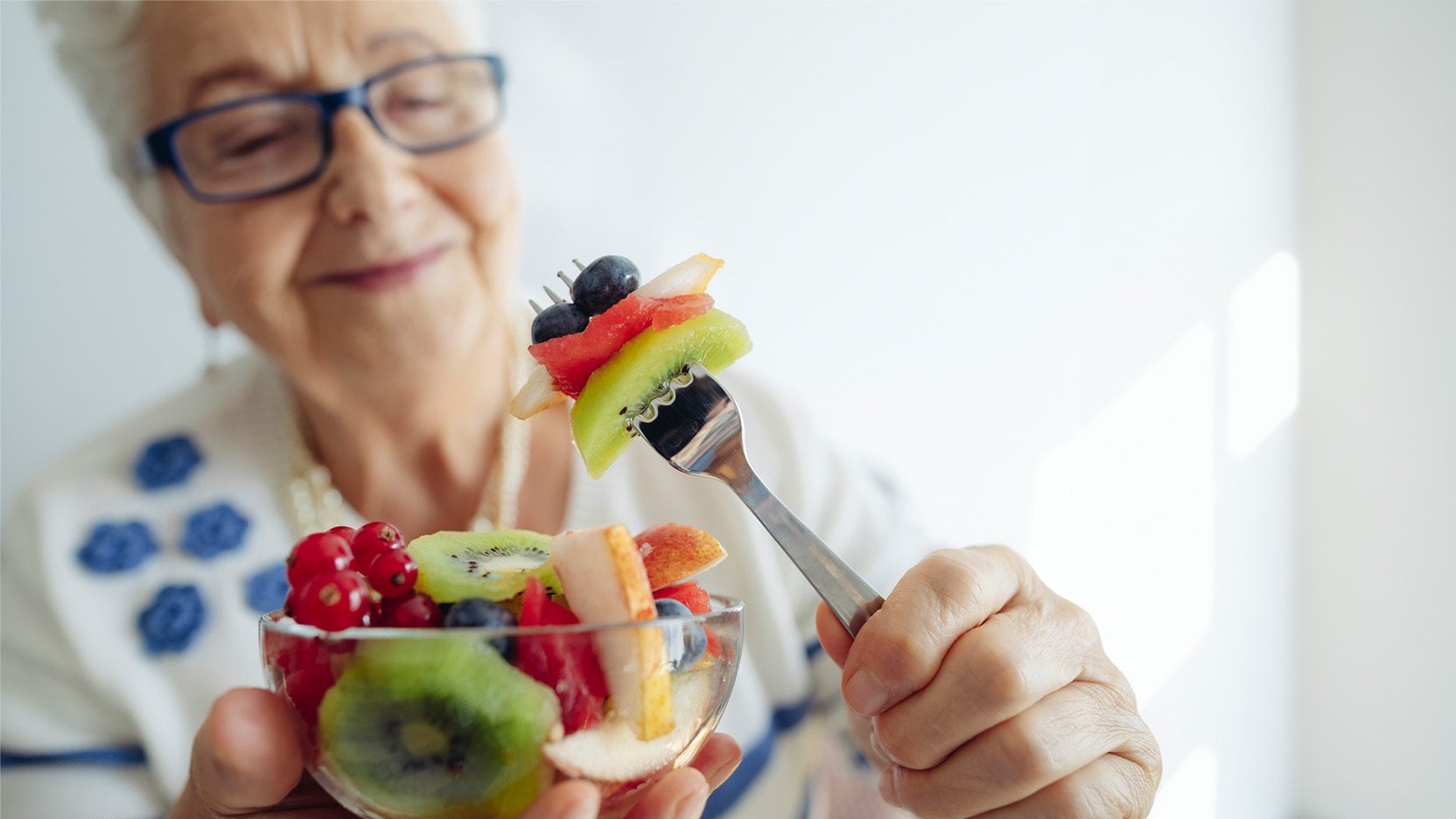
A fiber- and vitamin-rich orange or apple will satisfy your sweet tooth and your growling belly, says Deanna Ward, M.D., an internal medicine doctor with Sutter. Vegetables do the same for salty cravings. Keep these foods easily accessible. Bring baby carrots or celery and nut butter to work, and keep a bowl of seasonal fruit on your kitchen counter or front and center in your fridge.
2. Eat Mindfully
“Many of us eat while working, watching TV or running errands, so we don’t experience the elements of food,” Ward says. To avoid gobbling hundreds of calories without even realizing it, “focus on your meal and the people sharing it with you,” she suggests. “Consider the sensations of sight, smell, texture and taste as you eat. Think about the emotions that your food evokes.”
This is especially helpful for emotional eaters. “Eating mindfully may help you stop and consider the emotion you’re feeling at that moment and whether food will really satisfy you,” Ward says.
3. Chew Your Food Fully
If you blaze through your meals, chances are you’re consuming more calories than your body needs. It takes about 20 minutes for your brain to register that you’re full, so focus on chewing your food slowly and completely.
“Digestion begins in the mouth,” Ward says. “As you chew your food, the digestive enzymes in your saliva begin to break down food to allow for the absorption of important nutrients.”
4. Spice It Up
Add chili peppers and other spices into your cooking. Peppers contain capsaicin, a naturally occurring compound that research suggests may speed up metabolism and make you feel full. Work more spice into marinades, morning eggs and homemade soups and salad dressings.
5. Avoid Liquid Calories
Fancy coffee drinks, sodas, fruit juices, beer and cocktails are sneaky causes of weight gain from empty calories, Ward says. Plus, they go down quickly and lack protein and fiber for fullness, so you’ll likely eat just as much food — or more, if alcohol lowers your inhibitions. Opt for water, hot or iced tea, seltzer or plain coffee instead.
6. Drink Water Before Meals
Hydration is key to good health. Water helps your body run more efficiently, burn fat, remove waste and more. Hydration for weight loss can be as simple as drinking water before meals to help manage appetite.
“Drinking a couple of glasses of water roughly 20 to 30 minutes before sitting down to eat will make you feel full faster,” Ward says. “Do this three times a day — before breakfast, lunch and dinner — and you can cut 225 to 270 calories from your daily diet.”
7. Start With Soup
People who start their meals with a low-calorie, broth-based soup take in up to 20% fewer calories overall. To avoid extra calories and fat, choose something light like white bean and kale soup or miso soup with mushrooms and green onions.
8. Use Smaller Plates, Bowls and Glasses
Using dinner-sized plates and cereal bowls can cause you to eat oversized portions. And it’s the same with wine: When given jumbo wide-bottom glasses, people pour themselves — and drink — 12% more wine than when using smaller, thinner glasses.
9. Brush and Floss After Dinner
Before settling in for after-dinner family or TV time, make a quick trip to the bathroom to brush and floss your teeth. “This will help keep you from snacking mindlessly before bedtime,” Ward says. Minty-fresh breath also may make dessert less appealing.
10. Choose Fiber
Gut health and weight loss are connected. Fiber, the part of plant-based foods the body can’t digest, helps make digestion easier. It also helps you feel full after eating, making it helpful for weight loss. Foods with fiber include whole grains, fruits and vegetables. To increase fiber for fullness in your diet, add vegetables to every meal, replace your morning juice with whole fruit and leave the skin on your apples, potatoes and cucumbers.
11. Walk after meals
Daily movement can help you manage your weight, improve your mood and lower your risk of various diseases. It doesn’t have to always mean long sweat sessions at the gym either (though those are great too).
Non-exercise activity thermogenesis (NEAT) refers to the activity you do every day that isn’t technically exercise — walking, household chores and gardening, for example. It may not seem like much, but NEAT for weight loss is a useful tool. In particular, going for a walk after meals can help with digestion and managing blood sugar.
12. Get the sleep you need
Low-quality sleep and lack of sleep are connected to weight gain, obesity and other health problems. That’s because sleep affects the hormones that tell your body it’s hungry and your body’s ability to burn calories (metabolism).
For better sleep to support your weight-loss efforts, aim for seven to nine hours of sleep at night, maintain a consistent bedtime and wake-up time, and keep your room dark, cool and comfortable for sleep.
Explore related topics
Personalized Support for a Healthier You
Get help meeting your goals. Our weight management specialists provide tools and care tailored to you.
Meet our care team
