


Can Antioxidants Help Prevent Cancer?
It seems as though everywhere you turn, there’s new advice on how to prevent cancer: What to eat to prevent cancer, how much exercise, what supplements to take. Can fasting prevent cancer? What about certain vitamins?
One area of research that has held some promise recently is around antioxidants. Can antioxidants help prevent cancer?
“Antioxidants are part of the equation,” says Christina Lasich, M.D., chief medical executive at Sutter Lakeside. But there’s more to the story.
What Are Antioxidants?
“Cancer is a cellular dysfunction,” Lasich explains. “Something happens at a cellular level, and the cancer cells start replicating very quickly, and they look very different from healthy cells. We want to stop any potential attacks on our health cells. This is where the antioxidant research comes in.”
Some attacks, she says, come from something called free radicals in our environment, which are found in pollutants in the air, pesticides, chemicals, cigarettes and more. Too many free radicals can cause oxidative stress, damaging cells throughout the body.
“Antioxidants can help to neutralize the attackers — potentially,” Lasich says, emphasizing that it’s just one tool to reduce cancer risk.
What to Eat to Help Prevent Cancer
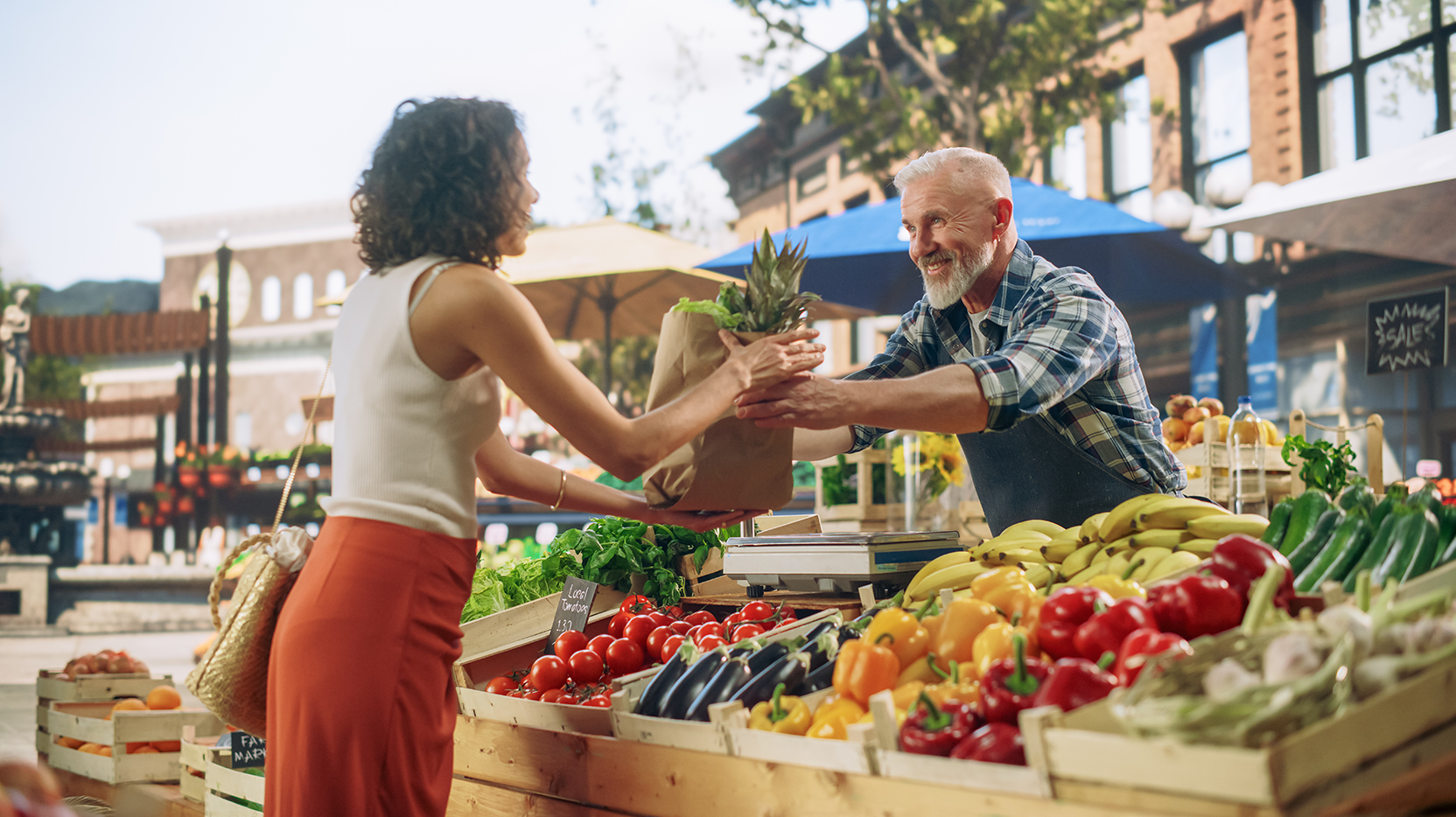
While adding more antioxidants to your diet isn’t a foolproof way to prevent cancer, doing so means eating more fruits and vegetables, which is great for your health. The next time you’re in the produce section of your local grocery store, Lasich says, think about “eating the rainbow.” Stock up on fruits and vegetables of varying colors to help ensure you get an array of vitamins and minerals. Nuts, seeds and grains are also dietary sources of antioxidants.
Diet quality matters beyond fruits and vegetables, too. Research shows that limiting processed and red meats may also help reduce cancer risk, especially when paired with a plant-forward eating pattern.
Vitamins A, C and E, as well as carotenoids, are antioxidants that are good for cellular health, Lasich notes. Where can you find these vitamins?
Foods high in carotenoids are typically red, orange and yellow along with dark-green leafy vegetables. Think sweet potatoes, tomatoes, carrots and broccoli. Lycopene, a carotenoid whose main dietary source is tomato, has been shown to be particularly protective for prostate cancer, research shows.
For vitamin E, a few examples are peanuts, almonds, pumpkins, vegetable oils, red bell pepper and pumpkin. Citrus fruits like oranges and grapefruits are what we think of for vitamin C, but you can also turn to strawberries, broccoli and potatoes. And vitamin A can be found in a wide array of foods, including kale, spinach, mango and guava, as well as animal products.
How to Prevent Cancer
A healthy diet isn’t a magic answer to cancer prevention, Lasich says, but it’s a good start.
“We live in a world where convenience and instant gratification have shifted the way we eat away from the farm-to-table eating of the past,” she adds. “In the past, we had more nutrients in our fruits and vegetables, and we were eating more fruits and vegetables.”
She recommends getting your fruits and vegetables from local farms when possible, where you can learn about farming practices and create a farm-to-table diet. Choose organic when you can, and if you’re deficient in some vitamins, consider supplements. You can work with your primary care provider or a dietitian to determine what makes sense for you.
Lasich also notes that antioxidants are only one part of the puzzle for reducing cancer risk.
“Our diet choices are an important step for improving health and preventing disease processes like cancer,” she says. “It’s also about the elimination of those damaging free radicals and preventing the chemical degradation of the cell.” She suggests starting by avoiding smoking and alcohol as well as pesticides and industrial chemical.
Explore related topics
Eat Well, Feel Great
Whether you’re exploring how to prevent cancer, reduce risk for diabetes, lose weight or another goal, the registered dietitians at Sutter can help guide you on your journey to feel your best.