Why women need cardiac rehabilitation after heart attack
A heart attack can turn your life upside down in an instant. Even after you’re home from the hospital, recovery can feel uncertain — physically, emotionally and mentally.
You may be wondering when you’ll feel like yourself again, or how to safely get back to your normal routine.
That’s where cardiac rehabilitation comes in.
Cardiac rehab is designed to help you recover, rebuild strength and reduce your risk of future heart problems. And while it’s recommended for most people after a heart attack, women are less likely to participate — even though they may have the most to gain.
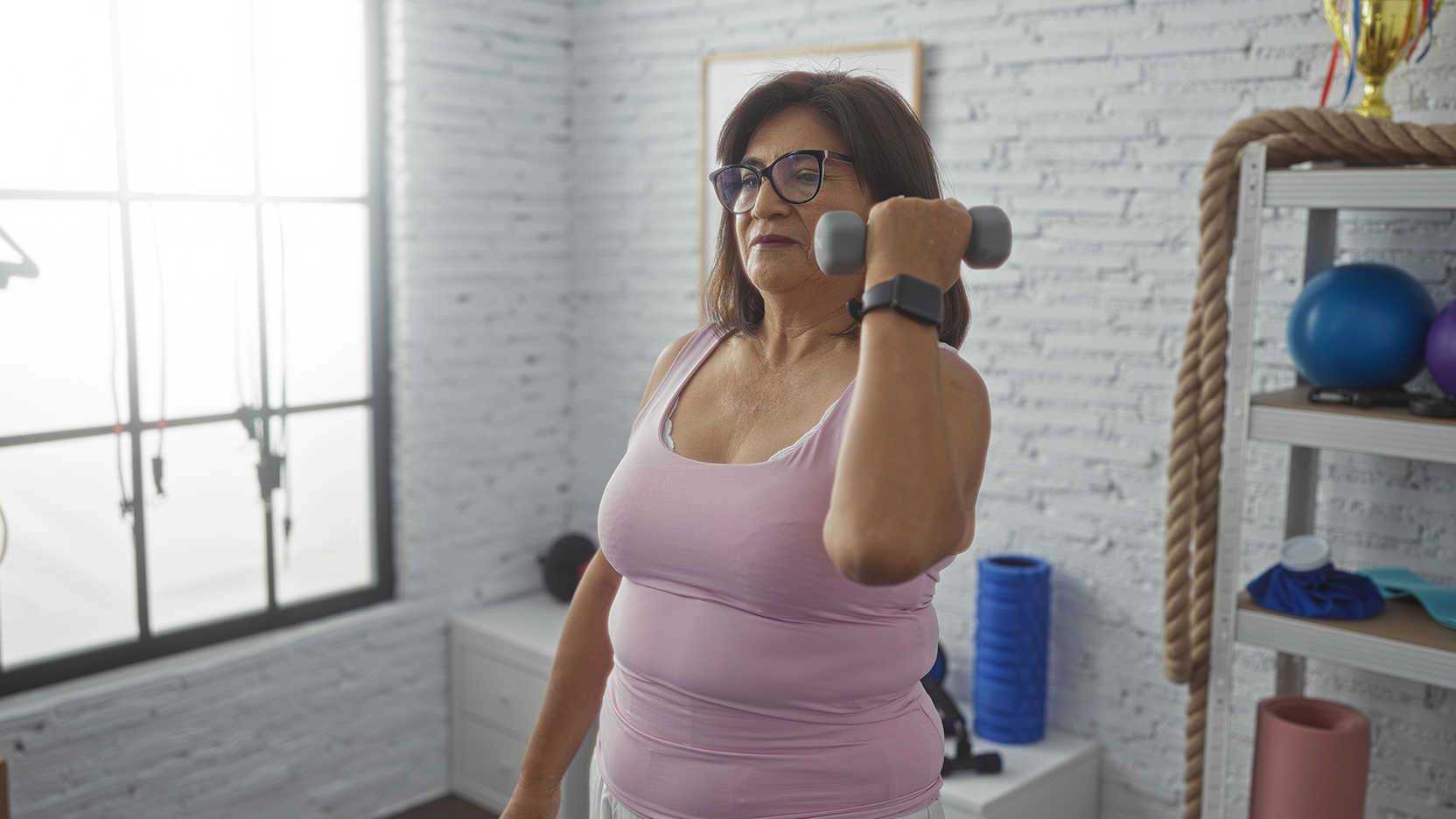
What is cardiac rehab?
Cardiac rehab is a structured, medically supervised program that supports your recovery after a heart event, such as a heart attack.
Most programs last a few months and are tailored to your individual needs. Along the way, you’ll work with a care team that may include doctors, nurses, exercise specialists and mental health professionals.
Together, they help you:
- Safely rebuild strength and endurance
- Improve heart-healthy habits, including nutrition and physical activity
- Manage stress and emotional health
- Monitor symptoms and recovery progress
Recovery isn’t just physical. Many people experience anxiety, fear or even depression after a heart attack. Cardiac rehab addresses those challenges too, helping you feel more confident as you return to daily life. According to Supreeya Swarup, D.O., an interventional cardiologist with Sutter, “Cardiac rehab is instantaneous feedback on recovery and a key component of getting stronger.”
Over time, this support can lower your risk of another heart event and help you feel more in control of your health.
Why women need cardiac rehab
Cardiac rehab benefits anyone recovering from a heart attack, but it can be especially important for women.
Women often experience heart disease differently than men, and recovery can come with unique challenges. In many cases, women see significant improvements in both physical health and overall well-being when they complete a cardiac rehab program.
For example, cardiac rehab can help:
- Improve energy levels and physical strength
- Support heart health through regular, guided exercise
- Reduce stress and improve mood
- Build confidence in returning to daily activities
Exercise is a key part of the program, and it’s carefully guided so you can increase activity safely. For many women, this structure makes it easier to rebuild routines and stay consistent.
Just as important, cardiac rehab provides emotional support. Women with heart disease are more likely to experience depression or anxiety, especially after a major health event. Having a team to guide you — and a plan to follow — can make recovery feel less overwhelming.
Why fewer women enroll
Despite the benefits, many women don’t participate in cardiac rehab.
The reasons aren’t always about motivation. They’re often about real-life barriers.
For example:
- Scheduling conflicts with work or caregiving responsibilities
- Transportation challenges
- Concerns about cost or insurance coverage
- Not being referred or encouraged to attend
For many women, it’s also a matter of putting others first. After a heart attack, it can feel easier to focus on family or responsibilities rather than your own recovery.
But cardiac rehab isn’t an extra step — it’s a key part of healing.
If you’ve been referred to a program, it’s worth asking what options are available. Some programs offer flexible scheduling, virtual components or support services that can make participation more manageable.
Heart attack symptoms in women
Another important part of the conversation is awareness that heart attack symptoms in women can look a bit different too. While chest pain can occur, symptoms may be more subtle or feel easy to dismiss.
Common symptoms in women:
- Breaking into a cold sweat
- Chest pain, pressure, or tightness
- Difficulty breathing
- Dizziness or lightheadedness
- Fatigue that is unusual or intense, sometimes long-lasting
- Gastrointestinal distress, including nausea or vomiting
- Pain in the arm, shoulder, neck or chest
Because symptoms can vary, it’s important to listen to your body. If something doesn’t feel right, don’t wait — seek medical care right away.
Taking the next step
Recovering from a heart attack takes time, but you don’t have to do it alone.
Cardiac rehab offers a clear path forward, helping you rebuild strength, regain confidence and reduce your risk of future heart problems.
If your provider recommends cardiac rehab, think of it as an investment in your long-term health — not just your short-term recovery.
Even small steps toward participation can make a meaningful difference in how you feel and function in the months ahead.
Explore related topics
Your partners in heart health
Your cardiovascular health can’t wait. Come to us for advanced heart care, from blood pressure management to transplants.
Meet our care team