Concussion Symptoms After a Fall
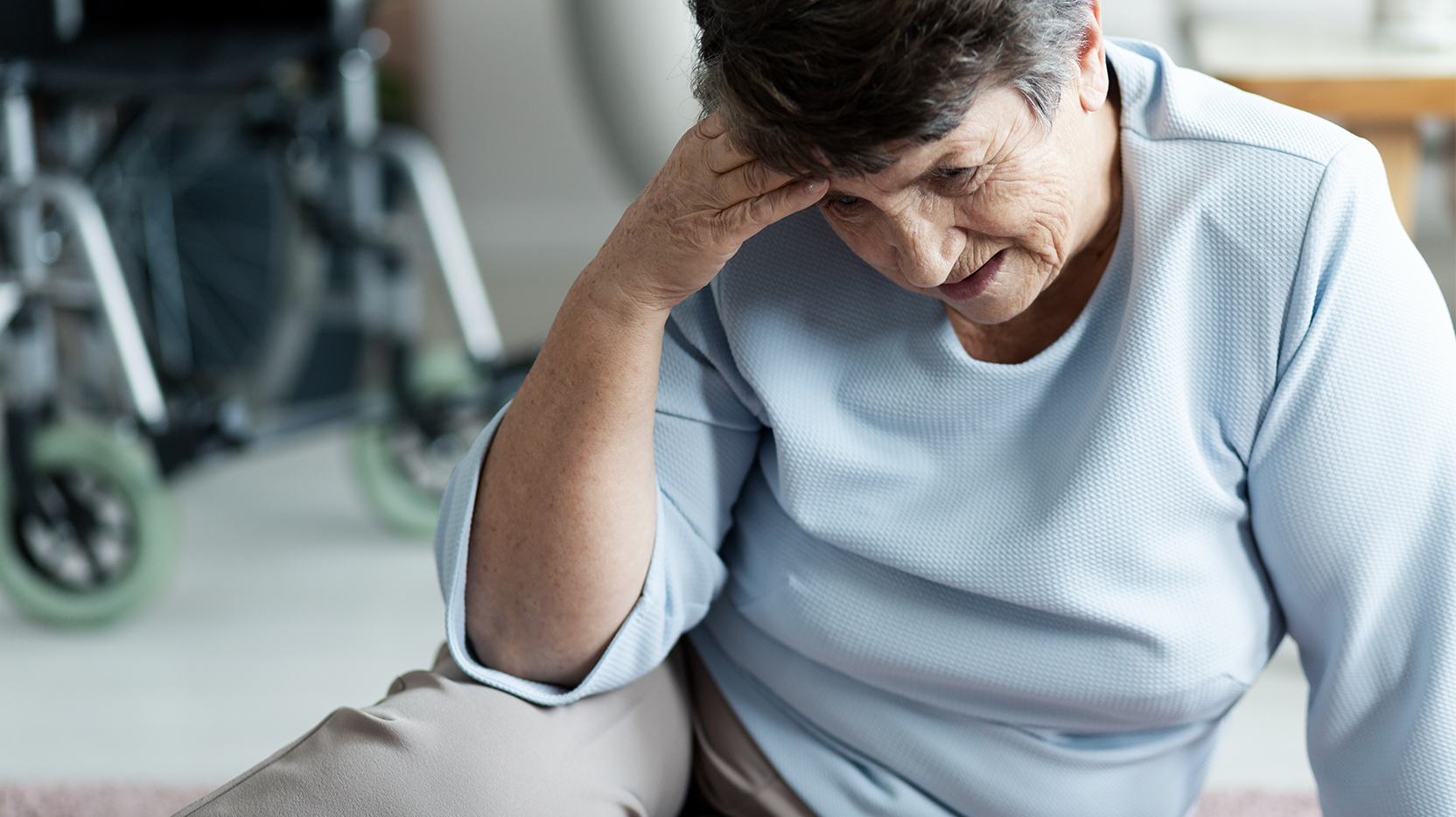
You don’t need to be playing a Friday night football game to get a concussion, which is a mild form of traumatic brain injury (TBI). The cause can be as simple as a missed step, a slippery floor or a loose cord. In fact, falls are the most common cause of concussions, especially among older adults.
And unlike injuries that happen on the field, where coaches have been trained in concussion protocols, falls often happen at home, where concussion symptoms might be missed.
Understanding concussion symptoms can help ensure you get the proper treatment and rest, which can prevent future serious problems.
Concussion Symptoms
A concussion can happen at any age. Young children, teenagers and people older than 65 are at a higher risk. Symptoms include:
- Difficulty balancing
- Headaches
- Irritability
- Loss of consciousness
- Memory challenges or confusion
- Nausea and vomiting
- Sleep issues
- Sensitivity to light, sound and movement
- Trouble seeing
Concussion Protocol: When to See a Doctor
There isn’t a good test for a concussion, but if you’ve had a blow to the head, even a mild one, it’s a good idea to see a doctor. To assess a concussion, your doctor will need to know the history of your injury: What happened, and what symptoms are you experiencing?
“You don’t have to lose consciousness to have a concussion,” says Shawn Kile, M.D., a neurologist with Sutter and chair of the neuroscience service line. “Any temporary disruption of neurologic function would qualify for a concussion. So if someone falls and they’re a little confused, that would be a concussion.”
When you have mild symptoms, see your primary care doctor, who can refer you to a neurologist if needed. However, if your symptoms are severe, Kile recommends seeking immediate care in the emergency department. Persistent vomiting, severe headaches, dilated pupils, slurred speech, loss of consciousness and seizures can indicate a more serious injury.
Particularly in older adults who fall and sustain a head injury, there are concerns beyond a concussion. Because of the way the brain atrophies as we age, Kile says, older adults are at risk for an intracranial hemorrhage, or brain bleed.
“If someone falls and they have a change in their baseline mental status, that should warrant an ER visit and CT scan to look for a brain bleed,” Kile says.
Concussion Treatment
“The standard care for a concussion involves avoiding re-injury and optimizing healing,” Kile says. “Rest is recommended for a day or two. The main thing is that you don’t want someone to have a second injury.”
Second-impact syndrome happens when a person has a second head injury before they’ve recovered from the first. It’s a dangerous condition that can cause more-serious brain damage. It can even be deadly in rare cases. Avoiding high-risk activities is key. You should focus on both physical and mental rest.
“There’s a misconception that you can’t let a patient sleep after they’ve had a concussion,” Kile says. “That’s wrong. It’s OK to sleep. Sleep is actually a good thing.”
The most important rule? Listen to your body.
“Some stimulation is fine, and some activity is fine,” Kile says. “I always tell patients that as they do a little bit more and test the waters to recognize their limits. So if your body starts to tell you that you've gone too far, then you've gone too far. If you're doing some form of exercise and you start to get a headache or you start to feel a little fuzzy, then you should take a break and not push through that.”
Be mindful of your fall risk.
“If you are engaging in daily activities, avoid high-risk behaviors that would be associated with a higher risk of falls,” Kile says. “And if someone has fallen and they live alone, they should have someone stay with them and observe them.”
Kile also recommends getting eight hours of sleep at night, eating a brain-healthy diet that’s high in omega-3s and antioxidants, staying hydrated and limiting stress. Concussion symptoms usually go away on their own relatively quickly. If you have more-severe or long-lasting effects, you may be referred to a neurologist to look for post-concussion syndrome.
Fall Prevention
One way to prevent concussions is to prevent falls. Fall prevention starts at home. Assess your environment for tripping hazards. Consider tacking down or getting rid of loose rugs or moving furniture that could be in your way. Make sure you can access light switches, and consider installing handrails in your bathroom.
Kile says it’s also worth checking for potential medical explanations for falls. “Do they have low blood pressure? Do they have vertigo? Do they have neuropathy where they can't feel where they're walking?” he says. “A medical workup might be appropriate. If they’re weak, do they need physical therapy? Do they need a cane or walker?”
Falls happen. But knowing what to watch for, including concussion symptoms — and how to prevent the next one — can help you feel more in control.
Explore related topics
Help Prevent a Fall
Your primary care provider can help determine your fall risk to help you prevent injury.
Meet our care team