What to expect at your first orthopedic visit
Orthopedic specialists treat injuries and conditions that affect the musculoskeletal system, including your bones, muscles, joints, tendons, ligaments and cartilage. Whether you’ve recently been injured or have ongoing pain or mobility issues, an orthopedic evaluation can help you understand what’s causing your symptoms and what to do next.
At Sutter, your first visit may be with an advanced practice clinician (APC), such as a physician assistant or nurse practitioner who specializes in orthopedics or sports medicine. These clinicians can evaluate your symptoms, order imaging when appropriate and help connect you with the right orthopedic specialist.

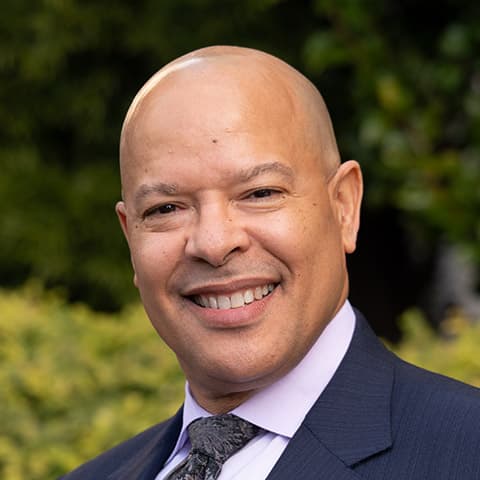
Deryk Jones, M.D., an orthopedic surgeon and sports medicine specialist with Sutter, says this approach can help patients begin the diagnostic process and, when appropriate, start nonsurgical treatment. From there, your care team can refer you to the appropriate specialist or surgeon based on your diagnosis and treatment needs.
Your first orthopedic appointment
As part of your first appointment, you can expect to:
- Provide information about your medical history, activity level, lifestyle and symptoms
- Have a physical exam where your strength, range of motion, body mass index and other factors will be evaluated
- Review any imaging studies you’ve had
- Be referred for additional imaging, such as an X-ray of MRI, if needed
- Discuss your diagnosis and possible causes of your symptoms
- Discuss treatment options and recommendations
- Receive a referral to another specialist if needed
Understand your diagnosis
During your visit, ask your clinician to explain your diagnosis in a way that makes sense to you. If you’re a visual learner, it may help to ask for an image or diagram. You can also ask for information to review later.
Questions to consider include:
- What is my diagnosis, and what does it mean?
- Do I need imaging, such as an X-ray, CT scan or MRI?
- What treatment do you recommend starting with?
- Is surgery something I may need now or in the future?
- What activities should I avoid while I recover?
- What can I realistically expect to be able to do after treatment?
- Is there additional information I can review at home?
Find the right treatment path
Orthopedic specialists often consider nonsurgical treatments first when they’re appropriate. But the right starting point depends on your diagnosis, symptoms and treatment goals.
For some conditions, beginning with another treatment may only delay the care you need. Jones gives the example of a severely damaged joint that is likely to require replacement.
“We want to fix the problem,” he says. “Let’s not inject a steroid into it and let it deteriorate so the damage becomes even more severe.”
If you’ve had an injury or persistent pain, getting evaluated can help you understand what’s happening and whether treatment is needed. Some injuries can worsen without appropriate care, so talk with a doctor if your symptoms are severe, aren’t improving or are interfering with everyday activities.
Set realistic recovery goals
Your orthopedic team will also want to understand what you hope to accomplish after treatment. Those goals can help shape your treatment and recovery plan.
Jones stresses the importance of setting realistic expectations.
“I’m not going to make you bionic by replacing your joint,” he says. “The goal is to get you back to where you were before you were injured.”
Recovery usually happens in stages. If your goal is to return to running after knee surgery, for example, you’ll first need to reach smaller milestones.
“There are milestones we need to hit first like walking up and down stairs normally,” Jones says.
Talking openly with your care team about the activities that matter most to you can help you understand what recovery may look like and what progress to expect along the way.
Explore related topics
Move better, live better
Whether it’s a new injury or long-term pain, our orthopedic team is here to help you heal and get back to the life you love.