


Household Dangers for Babies
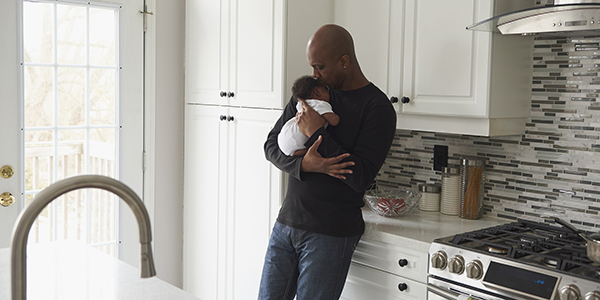
Congratulations on the newest addition to your family! Whether you’re new to parenting or already a veteran parent, it's important to watch out for household hazards when bringing your newborn home. Here are some of the most crucial household dangers you can prepare for and prevent to help keep your kids healthy and safe.
Burn Prevention
To help protect your baby from burns:
- Avoid smoking or drinking hot liquids (like coffee) while holding or near your baby
- Cover your baby’s skin with light clothing and a blanket when outdoors. After 6 months, use baby-safe sunscreen and always have your baby wear a hat.
- Install smoke alarms in your home
- Keep electrical cords out of reach
- Protect your baby from direct sun and stay indoors during peak heat hours
- Turn pot handles inward when cooking
- Set your water heater to 120°F to prevent bath burns
- Use flame-retardant sleepwear for your baby
- Use safety caps on electrical outlets
Choking
To reduce choking risks:
- Avoid toys with cords and never attach a pacifier to a string
- Don’t feed hard foods to your baby
- Keep balloon strings and curtain cords out of reach. Latex balloons aren’t safe for children under 5; Mylar balloons are safer.
- Keep cradle gyms and mobiles well out of reach
- Keep small items and toys belonging to older siblings away from your baby
- Never use homemade pacifiers. Choose one-piece, commercially made pacifiers.
Drowning
Drowning is the second most common cause of accidental death among children. Children under age four are especially at risk. It only takes an inch of water and a few moments for a child to drown.
- Always supervise bath time. If you need to step away, take your child with you.
- Children can drown in bathtubs, toilets, buckets or any container with water.
- Never leave a child alone outdoors if there’s access to a pool, spa, pond or even a bucket.
Poisoning
Keep your baby safe from harmful substances:
- Call Poison Control if needed: 800-222-1222. Save this number in your phone and also write it down somewhere easy to see — like on the fridge — so it’s always close when you need it.
- Keep household chemicals in high cabinets
- Keep indoor plants out of reach — many are toxic if eaten
- Never call medicine “candy” and use child-resistant caps on bottles
Secondhand Smoke
Secondhand smoke can cause serious health issues for babies, including ear infections, asthma, and even SIDS. If you smoke, consider quitting. Help is available:
- English: 800-662-8887
- Spanish: 800-456-6386
- Chinese: 800-838-8917
- TDD: 800-933-4833
If quitting isn’t possible right now:
- Don’t smoke near your baby — indoors or outdoors
- Never smoke in the car when a child under 18 is present (it's against the law)
- Never smoke while feeding, dressing or playing with your baby
- Keep your home smoke-free. Step outside to smoke.
- Don’t smoke in the room where your baby sleeps
Keeping your baby safe doesn’t have to be complicated — just a few simple steps can make a big difference. Start small, stay consistent and trust that you’re doing a great job. Always reach out to your baby's pediatrician if you have questions about safety or other concerns.
Explore related topics
Care That Grows With Your Child
From checkups to sick visits and everything in between, our pediatricians are here to support your child’s health at every stage.