How doctors at Sutter are using AI to detect Breast Cancer
Artificial intelligence (AI) has become a familiar topic in recent years as its use has expanded across many industries. You may be wondering how AI is being used in healthcare — including at Sutter Health.
At Sutter, AI is used thoughtfully across areas of care to support patients. The technology is carefully evaluated, clinically validated and built into workflows led by clinicians. In breast cancer screening, that means AI works as part of your care team to support early detection — and it’s included at no additional cost.
It’s also important to understand that AI doesn’t replace the radiologist reviewing your mammogram. Instead, it works alongside them to support early detection and may help reduce false positives.
Jason Wiesner, M.D., a radiologist with Sutter, explains how AI is being used and what it means for patients.
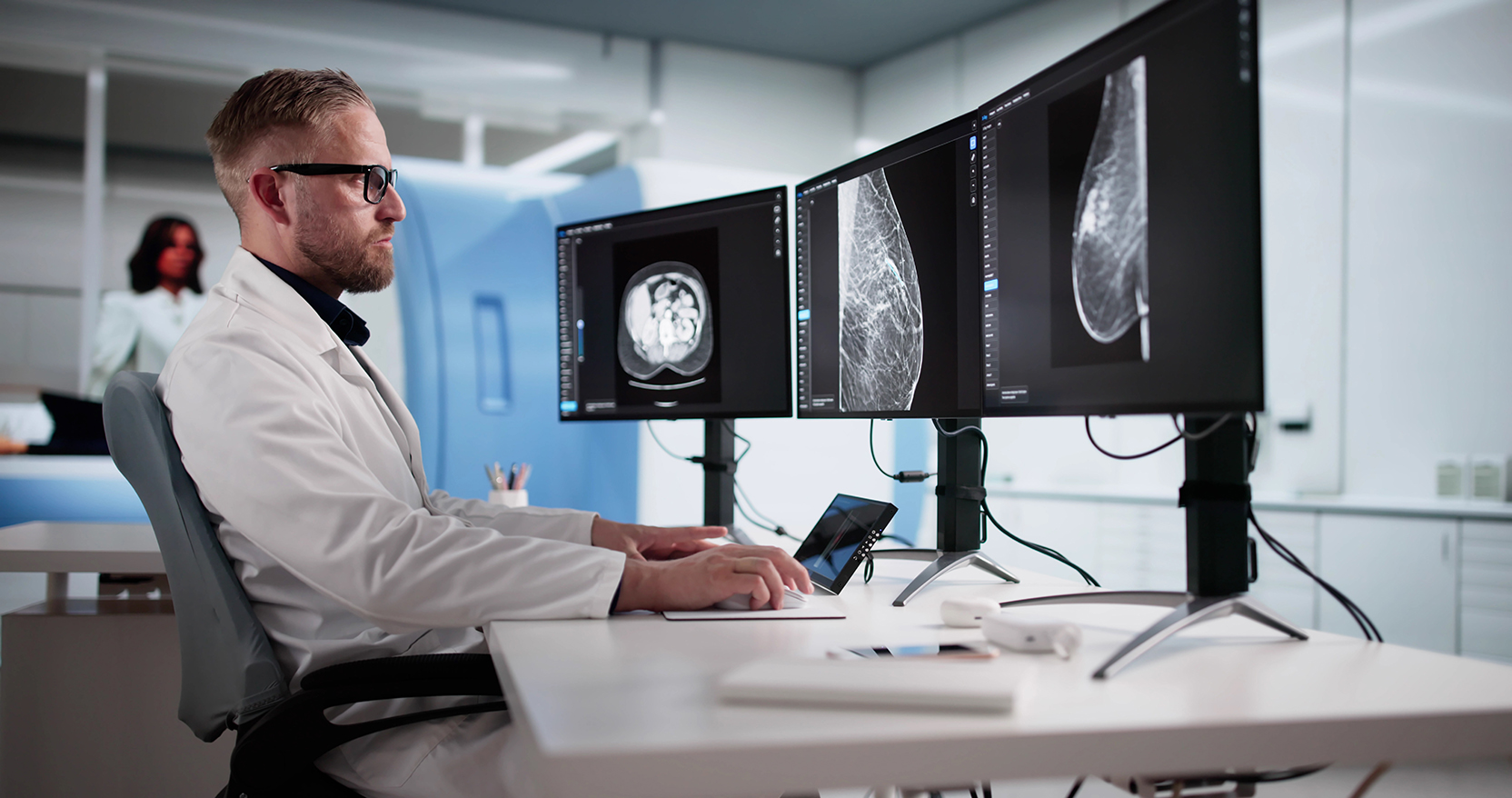
AI Mammograms
Sutter now uses an AI algorithm with digital breast tomosynthesis (DBT), also known as 3D mammography. This technology is also used in mobile mammography vans, which help expand access to screening in rural and underserved communities.
When you have a mammogram, a radiologist reviews the images first. Then AI is used as an additional step in the process.
“Sometimes described as a ‘second set of eyes,’ radiologists use AI as a clinical decision‑support tool alongside their own expertise to help highlight areas that may warrant closer attention and to increase confidence when findings appear normal,” Wiesner says.
This approach has helped reduce false positives. A false positive happens when a mammogram suggests something may be abnormal, but follow-up testing shows no cancer is present.
False positives can lead to additional testing and added stress. By providing another layer of review, AI can help radiologists feel more confident in their assessment, which may lead to fewer callbacks.
AI can also support workflow by helping radiologists focus their attention where it’s needed most.
“It helps the radiologist focus on areas that may need a closer look,” Wiesner says. “But it doesn’t replace human judgment.”
AI Breast Cancer Detection
AI can also help detect breast cancer early by flagging suspicious areas.
“The goal of screening is to identify people who don’t have cancer,” Wiesner says. “But it’s just as important to catch cancer early when it is present.”
Early detection is associated with better outcomes for many cancers, including breast cancer.
At Sutter, Wiesner notes that AI-assisted screening has helped identify additional cancers that may not have been detected otherwise — about two additional cases per 1,000 mammograms.
AI in Other Areas of Care
Like mammography, lung cancer screening is another area where AI is being used in routine care to support radiologists in identifying potentially concerning findings.
As the technology evolves, it may also support how care teams plan treatment. For example, radiologists may be able to spend more time characterizing findings to support oncologists in developing treatment recommendations.
The Importance of Mammograms
While AI is adding new capabilities, Wiesner emphasizes that routine cancer screenings remain essential.
“I understand that making time for a screening appointment can feel like a disruption,” he says. “But increasing access and making scheduling easier are important steps in supporting patients.”
Tools like online scheduling and mobile screening services are helping make mammograms more accessible.
Even as technology advances, staying up to date with recommended screenings remains one of the most effective ways to support early detection.
Explore related topics
Mammograms Made Easy
Finding breast cancer early increases your chances for a good outcome. Mammograms are quick and easy to book online.