How to help prevent joint pain while hiking
From Yosemite to Muir Woods to Maple Falls, California’s hiking trails are hard to beat. Towering redwoods, majestic waterfalls and sweeping views pull you in whether you’re a seasoned hiker or just getting started.
Hiking is a great way to stay active, but without the right preparation, it can lead to discomfort in your knees and ankles. The good news is that a few simple habits can go a long way in helping you stay comfortable on the trail.
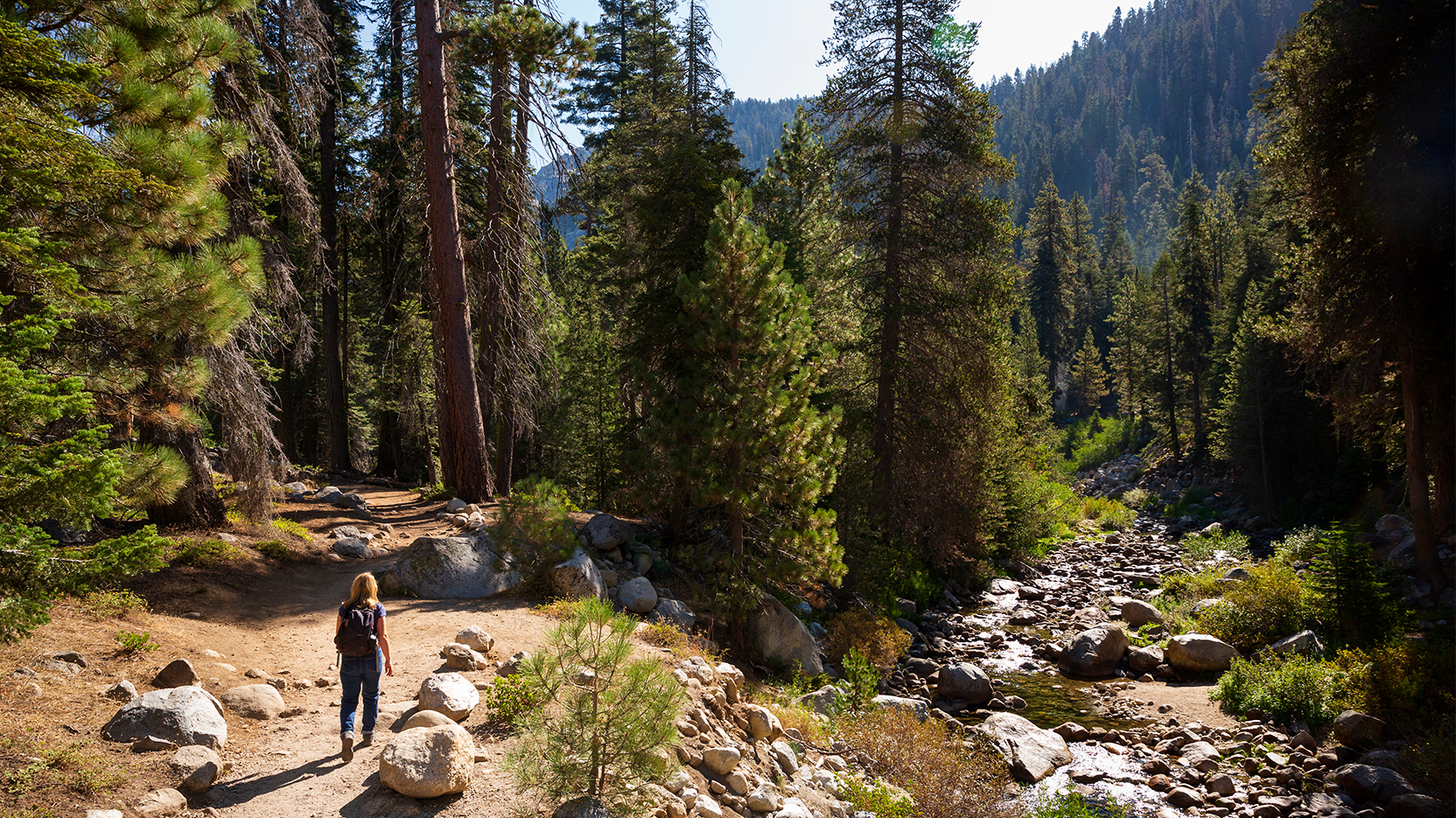
Can hiking cause joint pain?
It can. Hiking often puts more stress on your joints than a walk around the neighborhood.
Walking uphill — or even climbing stairs — can place 7 to 8 times your body weight on your knees. Uneven terrain also makes your ankles work harder to keep you stable.
While going uphill can challenge your muscles, many people notice more discomfort when going downhill. That’s because your knees absorb more impact as you descend directly at the kneecap and along the tendons above and below the kneecap Taking shorter steps or moving side to side on steeper sections may help reduce some of that strain.
Sometimes, knee pain can feel sharp or sudden. This may be related to overuse, especially if your muscles aren’t used to longer or more strenuous hikes. Core strengthening programs can help mitigate forces along the front of the knee while climbing and descending mountainous terrain.
Uneven terrain can also increase the risk of slipping or twisting a joint. Paying attention to your footing and pacing yourself can help lower that risk.
Exercises to prevent joint pain
If you’re planning to spend more time on the trails this season, building strength ahead of time can help support your joints. Long walks or light jogging can improve endurance, while strength training helps stabilize your knees and ankles.
Muscle groups to focus on include:
- Core. Your abdominal and back muscles support your balance and posture to prevent injury. Planks, crunches and supermans are great options to consider.
- Glutes (butt) and hips. These are some of the biggest muscles in the body, and they play a big part in mobility and stability. To strengthen these muscles, try adding clamshells, glute bridges, and banded walks to your regimen.
- Quadriceps and hamstrings. These muscles along the front and back of your thigh support the knees. Consider adding squats, wall sits and deadlifts to your workouts.
If you’re new to strength training, you might want to talk to a professional to make sure you’re doing them correctly and safely.
Other ways to prevent joint pain
Training your body is a great place to start, but a few other habits can make a big difference, too.
- Choose hikes that match your fitness level. Trails can vary in their difficulty and incline. If you’re new to hiking, start with shorter, less steep trails and build from there.
- Choose the right shoes. Regular sneakers usually won’t cut it for hiking. Look for hiking shoes that offer good arch and ankle support and shock absorption. If you’re not sure where to start, a specialty outdoor store can help.
- Invest in trekking poles. These accessories can help reduce the strain on your knees, especially when going downhill. Plus, they help improve your balance and posture.
- Pace yourself. Trying to go too far too fast on the trail can increase the risk of injury, especially on uneven, slippery ground. A moderate, steady pace is best.
- Pack light. Carry only what you need. A heavy backpack adds strain to your joints.
- Warm up. Walk around on flat ground and do some dynamic stretches for your hips, knees and ankles before you head out on the trail.
Joint pain relief after hiking
If you have knee or ankle pain after hiking, you can try simple at-home remedies, including:
- Applying heat or ice
- Soaking in a warm bathtub with Epsom salts
- Taking medications such as acetaminophen or ibuprofen
- Applying pain-relieving ointments
- Resting
- Using supportive aids like a brace or orthotics in your shoes
If your pain doesn’t get better after a few days, it’s a good idea to check in with your provider. Depending on what’s going on, they may recommend physical therapy, steroid injections or other treatments for joint pain relief.
With the right care and preparation, you’ll be back out on California’s trails in no time.
Explore related topics
Concerned about joint pain?
Take our assessment to learn what you can do, when to be concerned and next steps if you need care.
Meet our care team