The Impact of Video Games
Kids today love video games, and it’s easy to understand why. Games are immersive, social and constantly evolving. For many children and teens, gaming isn’t just entertainment — it’s how they relax, connect with friends and even express creativity.
So should you let your child play video games?
Like most parenting questions, the answer isn’t a simple yes or no. Video games can offer real benefits, but too much — or unsupervised — gaming can create challenges for kids and families.
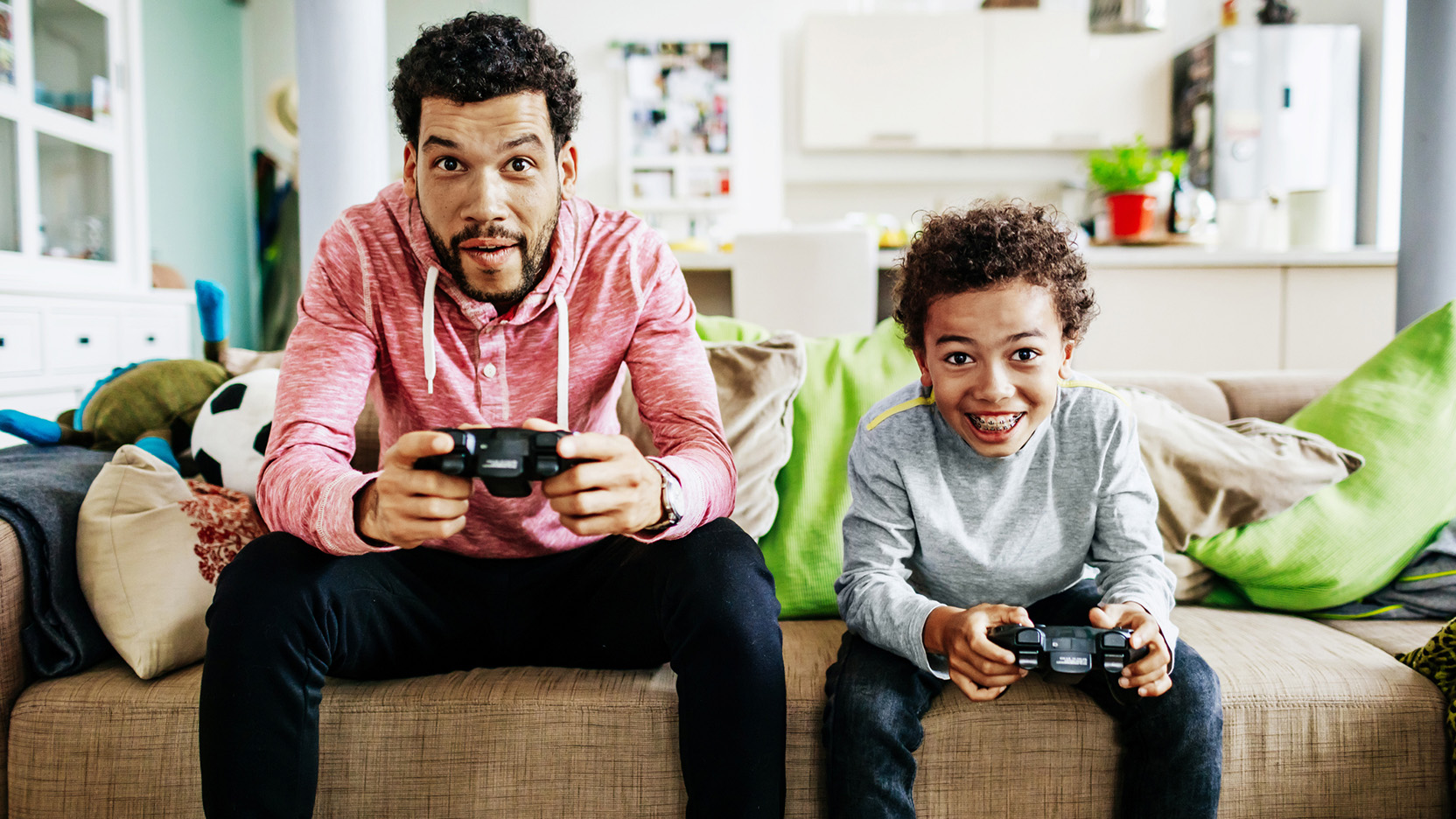
Benefits of Video Games
Many psychologists and scientists believe video games can support learning and development when played in moderation. Just like learning music or sports, gaming challenges the brain to practice new skills.
Video games may help improve:
- Cooperation and teamwork in multiplayer games
- Hand-eye coordination and spatial awareness
- Problem-solving and logical thinking
- Planning, resource management and strategy
- Quick decision-making and reaction time
- Reading and math skills in some games
Many games also encourage creativity, persistence and goal-setting. For some kids — especially those who struggle socially in person — gaming can provide a sense of accomplishment and connection.
Negative Effects of Video Games
Parents’ concerns about gaming have changed over the years. Today’s games are very different from earlier generations, and many are designed to be played online with other people around the world.
Some of the biggest concerns families face include:
Online Safety and Cyberbullying
Many games include voice chat, messaging or multiplayer communities. While these features help kids connect with friends, they can also expose them to bullying, inappropriate language or pressure from other players.
Children may interact with people they don’t know in real life, making privacy and online safety especially important.
Risky Online Behavior
Kids may feel pressure to share personal information, join private chats or continue conversations outside the game. Teaching children never to share names, locations, school information or passwords while gaming is essential.
In-Game Spending
Modern games often include in-game purchases, loot boxes or upgrades that encourage players to spend money. These systems can make it easy for kids to overspend — or feel left out socially if they don’t buy extras.
Inactivity and Sleep Disruption
Long gaming sessions can reduce time spent being physically active. Late-night gaming, notifications and screen exposure may also interfere with healthy sleep, which affects mood, learning and attention.
The ‘Time Sink’ Effect
Unlike older games that naturally ended, many modern games are designed to keep players coming back through daily rewards, levels and social competition. This can make stopping difficult — even for adults.
When Gaming Becomes a Problem
For most kids, gaming is a normal hobby. But problems can arise when gaming starts to replace important parts of daily life.
Warning signs may include:
- Loss of interest in friends or activities they once enjoyed
- Declining school performance
- Irritability or anger when asked to stop playing
- Sleep problems or fatigue
- Sneaking gameplay or hiding spending
The World Health Organization recognizes gaming disorder as a mental health condition when gaming seriously interferes with daily functioning over time. While this is uncommon, it highlights the importance of balance.
Healthy Gaming Habits
Rather than focusing only on strict time limits, experts — including guidance aligned with the American Academy of Pediatrics — encourage families to look at how gaming fits into a child’s overall life.
Healthy gaming habits include:
- Creating screen-free times, such as during meals or before bed
- Having younger children play in shared family spaces
- Keeping gaming from interfering with sleep, homework or physical activity
- Knowing who your child plays with online
- Talking regularly about online experiences and how they feel when they play video games
- Using parental controls and privacy settings
Understanding Video Game Ratings
Video games sold in the U.S. are rated by the Entertainment Software Rating Board (ESRB), a system similar to movie ratings that helps parents choose age-appropriate content for their children.
ESRB ratings include:
- Everyone (E): Content is suitable for all ages. May contain cartoon, fantasy or mild violence or mild language.
- Everyone 10+: Content is generally suitable for ages 10 and up. May contain more cartoon, fantasy or mild violence, mild language and minimal suggestive themes.
- Teen (T): Content is suitable for ages 13 and older. May contain violence, suggestive themes, crude humor, minimal blood, simulated gambling and, infrequently, strong language.
- Mature (M): Content suitable for ages 17 and older. May contain intense violence, blood, gore, sexual content and strong language.
- Adults Only (AO): Content suitable only for 18 and up. May contain prolonged scenes of intense violence, graphic sex or gambling with real currency.
- Rating Pending (RP): Game has been submitted to the ESRB and is awaiting a final rating.
- Rating Pending Likely Mature 17+: Game has been submitted to the ESRB and is awaiting a final rating but it’s probably going to be rated mature.
Ratings are a helpful starting point, but keep in mind they don’t account for online interactions, which may expose players to unfiltered communication.
Explore related topics
Are Video Games Affecting Your Child?
It can be tough to set limits on your child’s video game play or know how video games are affecting them. The behavioral health professionals at Sutter can help.