Preventing Baseball Injuries in Kids
It’s America’s pastime, but for kids in the U.S., baseball has become more competitive at a younger age, which has led to a rise in baseball injuries among youth athletes. In fact, more than 300,000 young athletes are treated for baseball-related injuries every year.
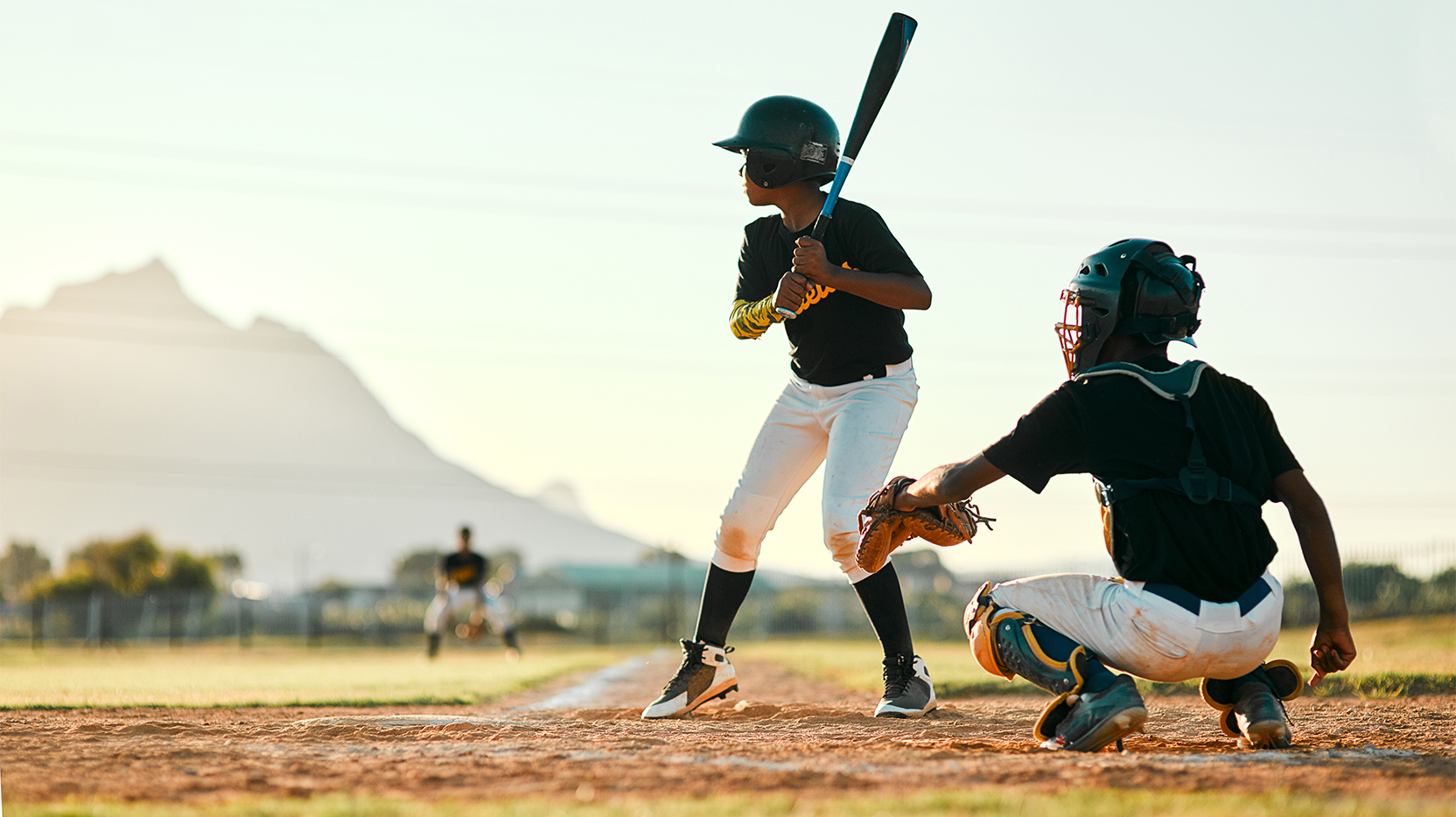
Baseball players have the risk of the same injuries that occur in all sports — things like muscle strains, ligament sprains, bruises, cuts and concussions. But the sport carries additional, sport-specific risks. Baseball injuries affecting the shoulder and elbow are becoming more common. But they may be preventable.
The Risk for Baseball Injuries
“Baseball is relatively safe,” says Kent Sheridan, M.D., an orthopedic surgeon with Sutter Health who is board-certified in orthopedic sports medicine. But, he explains, there are sport-specific risks to the throwing arm, which impacts mostly young pitchers and to a lesser extent, catchers, especially when kids are young.
“In adolescence, kids go through a phase of very rapid growth,” he says. “Their muscles are getting much stronger, but their bones and ligaments haven’t quite caught up to that increase in muscle strength.”
Some of the injury risk is due to physiology and anatomy. But there has been added risk with the rise of competitiveness in youth baseball over the past decade.
“And young people tend to engage in risky behaviors,” Sheridan notes. “Those risks include pitching on consecutive days, playing on multiple teams, playing multiple games in a day and not being mindful of the number of pitches thrown and recommended rest periods.”
Shoulder Pain in Baseball Players
Shoulder pain can be a sign of overuse. The shoulder and rotator cuff tendons may be overworked. It’s also possible that the shoulder joint is too loose or instable, which puts painful stress on the shoulder joint.
Another cause of shoulder pain in young athletes is a labrum tear. The labrum is a piece of cartilage (tissue that lines the joints) that stabilizes the shoulder.
The Rise of Tommy John Surgery
Elbow injuries are also a concern, especially for pitchers. “Little League elbow” is used to describe pain in a baseball athlete’s elbow and typically affects kids 8–14, though it can affect older teens too. This general term can refer to injuries in the muscles, tendons, ligaments or bones. It’s commonly due to overuse. Without treatment, long-term injuries can result.
Medial epicondylitis — an injury caused by the excessive force used to bend the wrist toward the palm, is a concern especially for pitchers, Sheridan says. “Breaking balls can put a lot of stress on the elbow,” he adds. “You shouldn’t be throwing a curve ball until you’re post-pubescent.”
A UCL (ulnar collateral ligament) injury happens when the ligament on the inner elbow stretches or tears. This type of injury can end a pitching career. A procedure referred to as Tommy John surgery changed that and has been more common in professional baseball. In fact, in 2023, 35.3% of active major-league pitchers had undergone Tommy John surgery.
Tommy John surgery, which is a reconstruction of the UCL, has also become more common among young athletes. Sheridan notes that while the surgery can be effective, it’s concerning to see athletes experience weak points in their career so early, and injury prevention is key.
How to Help Prevent Baseball Injuries
“Problems can happen at any position,” Sheridan says. Be on the watch for stiffness, fatigue and pain in your ballplayer regardless of where on the field they play.
Other ways to lower risk of baseball injuries include:
- Engage in multiple sports until at least high school. Single-sport athletes are at a higher risk. “Sub-specialization as a youth athlete doesn’t mean success later on,” Sheridan says.
- Monitor pitch counts. Follow Pitch Smart guidelines for number of pitches and days of rest. Even if the athlete is under their pitch count, if they’re fatiguing (throwing slower) or in pain, have them stop.
- Rest at the first sign of pain. Do not play through pain, fatigue and discomfort. Adequate rest is essential to preventing long-term injury.
- Stick with fast balls and change-ups. Avoid throwing breaking balls until after puberty.
- Warm up. Appropriate warmups and stretching are key, especially as athletes get older.
“Whether you’re a parent, doctor or coach, be sure to keep the athlete in mind,” Sheridan says. “Focus on injury prevention, because there’s always going to be another game. Longevity is important.”
Explore related topics
Keep Your Athlete in the Game
Sutter Health’s sports medicine program manages sports injury prevention and education for teens, heart health screenings and concussion prevention programs.
Meet our care team