Are energy drinks bad for teens?
Advertisements for energy drinks are plastered on the walls at sporting events and on the jerseys of leading athletes. The beverage makers sponsor models, music events and videos games. Makers of such drinks claim their elixirs will boost your immune system, enhance your performance and help you feel energized.
No wonder 30 to 50% of adolescents and young adults say they buy energy drinks. When you’re running on empty, an energy drink might sound like a good idea. After all, beverage makers claim these drinks not only give you energy but also boost your immunity and enhance performance.
But these drinks can end up doing more harm than good. They contain concentrated doses of stimulants that can raise your heart rate, increase your blood pressure and disrupt sleep — especially in teens and young adults.
Daniel Brennan, M.D., a pediatrician with Sutter Health, answers common questions about energy drinks, their side effects and safety.
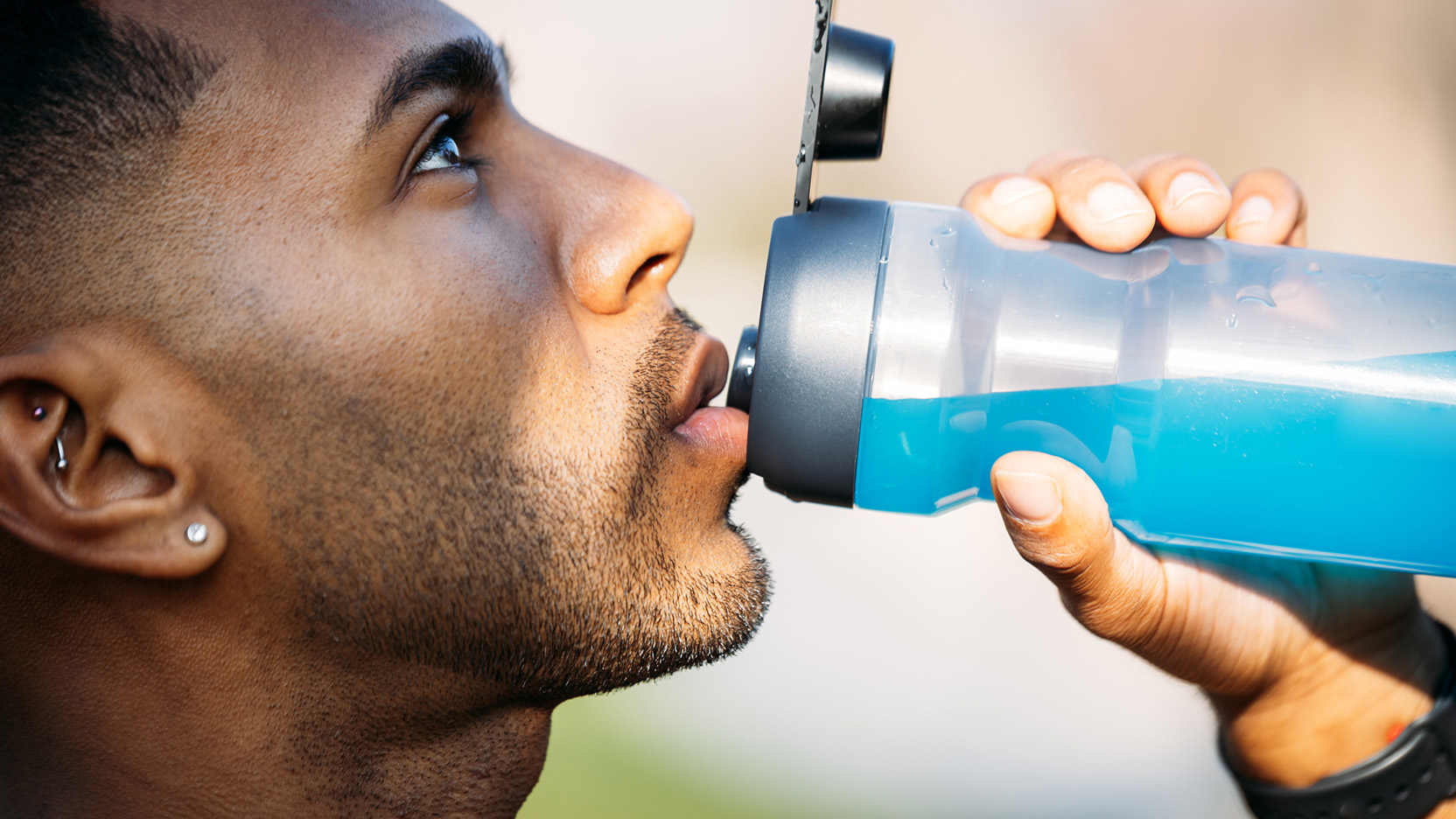
Are Energy Drinks Safe?
When it comes to whether energy drinks are safe for teens and young adults, Brennan says the simple answer is “no.” That’s because energy drinks are full of sugar and sodium and loaded with caffeine — often twice as much as coffee and eight times as much as a soda. They’re an unhealthy beverage for anyone, especially for growing bodies.
“As a parent, it’s important to talk with your adolescent and explain the risks of these products,” Brennan says. “Caffeine is a drug and is not recommended for children, particularly at these high quantities. Moreover, these drinks are especially dangerous when mixed with alcohol, which many young people do.”
Caffeine in Energy Drinks
The caffeine content in popular energy drinks varies greatly. Energy drinks are regulated differently by the U.S. Food and Drug Administration (FDA) depending on whether they’re marketed as beverages or dietary supplements, which can affect labeling. Some drinks don't even list the caffeine content on their label. Instead, they state that it’s part of their secret “proprietary blend.”
Energy drink makers also claim their beverages are “natural dietary supplements,” which means they are not subject to the regulations that apply to food products. As a result, consumers often don’t know the amount of caffeine in their energy drink, and it’s likely a lot more than you think.
A typical 16oz energy drink contains between 150 to 280 milligrams of caffeine; larger cans have up to 500 milligrams of caffeine. This is in stark contrast to sodas. A 12oz can of soda contains about 35 milligrams of caffeine. As a reference point, the FDA says that most adults shouldn’t have more than 400 milligrams of caffeine per day.
Many energy drinks also contain guarana, which is a South American plant with a more potent form of caffeine. One gram of guaranine, the type of caffeine found in guarana, contains 40 to 80 milligrams of caffeine. Due to these additives, the amount of caffeine in energy drinks can be much higher than people realize.
Energy Drink Side Effects
Energy drink side effects are connected to consuming too much caffeine. They include:
- Dehydration
- Heart palpitations
- High blood pressure
- Increased heart rate
- Insomnia
- Restlessness
Energy drinks also contain other substances touted to improve energy, such as taurine, ginseng, vitamin B, carnitine and bitter orange. But Brennan says these ingredients haven’t been vetted properly.
“Unfortunately, the safety and effects of daily consumption of these additives are not well known,” he says.
Mixing Energy Drinks and Alcohol
Brennan says he’s most concerned with products that mix energy drinks with alcohol. Many of these have packaging that is similar to non-alcoholic energy drinks. Although you must be over 21 to buy the drinks, teenagers can often get them through friends or with fake IDs. It’s also becoming more common for teenagers to create their own cocktails by mixing energy drinks with hard liquor.
“Combining high-caffeine energy drinks with alcohol may give teenagers the perception that they aren’t as drunk as they really are. And when teens feel fewer effects from alcohol, they tend to drink more,” Brennan says. “This problem became apparent in 2010, when several young adults were hospitalized at Washington State due to overconsumption of alcoholic energy drinks.”
Mixing the two liquids together increases the likelihood of engaging in risky behavior, especially drunk driving and binge drinking. In addition, a 2023 study published in Clinical Psychology Review found that mixing the two beverages was “a significant risk factor” in the “victimization and perpetration of violent acts” among adults 25 and younger.
Breaking a Caffeine Habit
Caffeine is addictive and can be difficult to quit, especially when withdrawal symptoms hit. These include headache, fatigue, anxiety, tremors and irritability. Help your teen break a caffeine habit by:
- Encouraging them to wean off caffeine slowly to avoid withdrawal side effects
- Encouraging them to recharge in healthier ways, such as getting enough sleep, eating healthy foods and drinking plenty of water
- Offering plenty of alternatives they can easily grab and take with them
- Talking to them about why energy drinks are bad for their health
Explore related topics
Advice From Your Pediatrician
Whether you’re concerned about your teen’s use of energy drinks or another health concern, talk to your child’s pediatrician.
Meet our care team