How Screens Affect Your Sleep
Cell phones, computers and other electronic devices are key to how we work, play and keep in touch. But all that screen time before bed may be harming our sleep, and a lot of us may be feeling the impact. According to the National Sleep Foundation, more than half of Americans regularly use an electronic device in the hour before they go to bed.
Joanna Cooper, M.D., a neurologist and sleep medicine specialist with Sutter, says bright screens stimulate the part of our brain that’s designed to keep us awake. Looking at a brightly lit screen before you go to sleep can make for a restless night.
“The timing of sleep and wakefulness is controlled by two areas in the brain. One is highly sensitive to light and wakefulness. The other, called the pineal gland, secretes the sleep hormone melatonin when the light dims in the evening,” Cooper says.
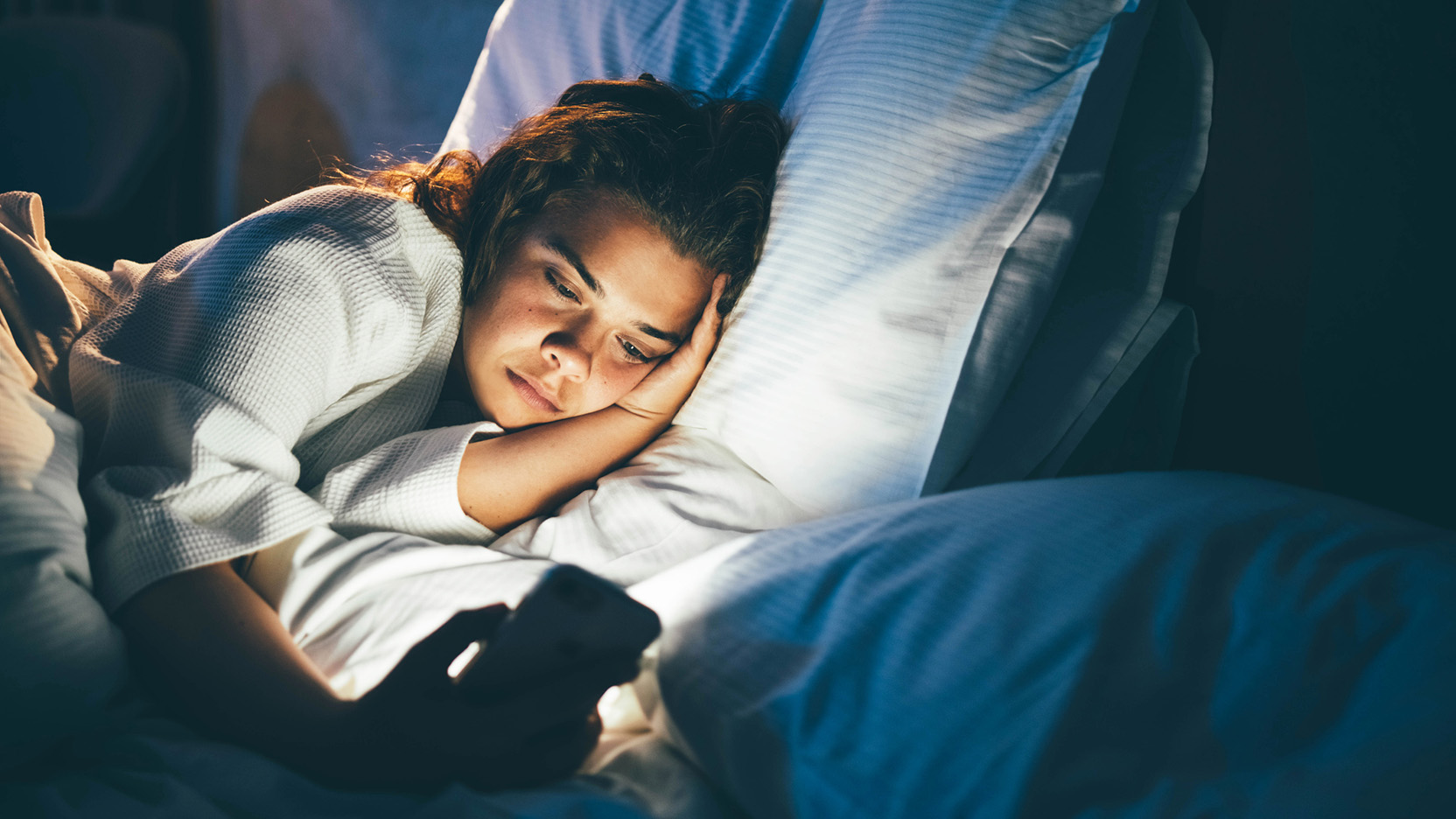
Device screens emit blue light, Cooper says, which is the part of the light spectrum that has the biggest effect on our sleep cycle. Blue light disrupts sleep because it stimulates part of the brain and causes it to produce less melatonin, which makes it difficult for many people to “turn off” their brains and fall asleep.
“The light from our screens can delay our transition to sleep, even if we are engaged in some soothing activity online,” Cooper says. “But it’s more likely that our evening texting, television shows or video games are stimulating in themselves, keeping the brain busy and wound up, and even causing adrenaline rushes instead of calm.”
Not sleeping enough or having poor sleep quality is linked to other health problems such as heart disease, diabetes, high blood pressure, depression and obesity. Ongoing sleep deprivation can lead to daytime sleepiness, lack of concentration and trouble performing daily tasks. While no one wants these side effects, it can be tough to focus on your health needs when you feel like you should send one last email.
How Much Screen Time Is Too Much?
How long before bed should you stop using your phone? Studies show that two or more hours of screen time in the evening can seriously disrupt the melatonin surge we need to fall asleep. Consider turning off all electronic devices at least one hour before bed, and preferably for longer. Try reading a book, taking a bath or doing some other relaxing activity.
If you text or scroll at night, reduce your exposure to blue light by turning down the brightness or switching your device to nighttime mode in the late evening. You can download an app that can help you adjust your screen brightness based on the time of day.
Limiting kids’ and teens’ screen time before bed is also vital for their sleep. The American Academy of Pediatrics recommends setting a good example with your own screen habits, and keeping electronics out of children’s and teenagers’ bedrooms overnight, beginning 30 to 60 minutes before bedtime. That way, you can make sure they aren’t gaming or texting late in the night. Charging phones outside of bedrooms can help.
Tips for Getting Better Sleep
In addition to turning off electronics at least an hour before bed, practicing good sleep hygiene habits can help you get the restorative sleep you need. Consult this checklist for tips on how to get a better night’s sleep. Top of the list? Maintaining a consistent sleep routine.
If a few weeks pass and you’re still struggling to get quality sleep, you may have insomnia or another type of sleep disorder.
Schedule a visit with a sleep specialist at Sutter who can evaluate your symptoms, recommend any needed testing and help you get your sleep back on track. Before your appointment, use a sleep log to track your sleep patterns, including how many hours of sleep you get each night. This will help your doctor recommend the best treatment plan for you.
Explore related topics
Sleep Better, Feel Better
Rest well and wake refreshed. Our sleep specialists diagnose and treat conditions like insomnia and sleep apnea.
Meet our care team