Summer safety tips for kids
Summer means more time outdoors — whether kids are swimming, biking, hiking or spending long afternoons at the park. A few simple precautions can help families enjoy the season while reducing the risk of common summer injuries and illnesses.
Sunscreen safety
Sunscreen helps protect against sunburn and lowers the risk of skin damage, but proper application matters.
Apply sunscreen (at least SPF 30) about 15 to 30 minutes before heading outdoors so it has time to absorb into the skin. Reapply every two hours and after swimming or sweating heavily, even if the product is labeled water resistant.
For babies younger than 6 months, shade and protective clothing are the best forms of sun protection. For older children, look for broad-spectrum sunscreen and add protection with wide-brimmed hats, UV-blocking sunglasses and lightweight sun-protective clothing.
How to stay hydrated
Kids are often so busy playing that they don't notice they're thirsty until dehydration has already started.
Offer water before outdoor activities begin and encourage regular water breaks throughout the day, especially during hot weather. Foods with high water content — such as watermelon, oranges, cucumbers and berries — can also help support hydration.
It’s also important to recognize the signs of heat exhaustion. If your child develops dizziness, nausea, headache or unusual fatigue, move them to a cool location and encourage small sips of water. Seek medical care if symptoms worsen or don't improve.
Helmets, pads and common sense
One of the most important summer safety tips is wearing the right protective gear.
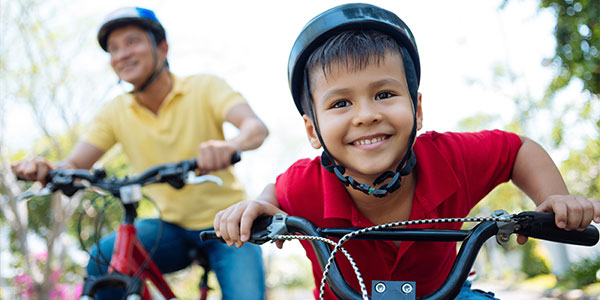
Children should wear helmets when biking, skateboarding, scootering, roller-skating and participating in similar activities to prevent severe head injuries. “If you are riding anything with wheels, even for a very brief period of time, you should wear a helmet, says Elizabeth Portin, M.D., a pediatrician with Sutter. Make sure helmets fit properly and replace them after a significant impact, even if they don’t appear damaged.
Wrist guards, knee pads and elbow pads can also help reduce the risk of injuries during falls.
Before riding or skating, take a moment to check for loose gravel, puddles or other hazards that could cause a loss of balance. Bright clothing and reflectors can also help improve visibility during evening hours. Ensure no loose clothing that can get caught in the wheels.
If your child hits their head, monitor them closely and contact a healthcare provider if you notice any symptoms that could suggest a concussion or more severe head injury. “Concussions can occur after even mild head impacts, and the only symptom may be feeling slightly ‘out of it’,” says Portin.
Beware the leaves of three
If your family spends time hiking or exploring local trails, poison oak may be part of the landscape.
Teach children the familiar reminder: “Leaves of three, let it be.” If skin comes into contact with poison oak, wash the area with soap and water as soon as possible. Washing clothing and footwear promptly may also help remove lingering oils that can continue to cause reactions.
Bug bites, stings and ticks
When spending time outdoors, insect repellent can help reduce the risk of bug bites. For children older than 2 months, choose a product that follows current safety recommendations and use it according to the label directions.
After spending time in wooded areas or tall grass, perform a tick check. If you notice a bull's-eye-shaped rash or develop symptoms after a tick bite, contact your healthcare provider.
Water safety
Swimming, boating and beach trips are among the most popular summer activities for kids, making water safety especially important.
Whether you’re at a pool, lake or beach, designate a water watcher — an adult whose sole responsibility is supervising children in and around the water. Even strong swimmers benefit from active supervision.
Ensure proper fences and gaits around pools or other access points to water so that children do not accidently fall into the water or wander into the water without adult supervision. Additionally, always make sure to empty baby pools, buckets and other water containers when your kids are done using them so they do not fall in accidently and drown. “Drowning can happen quickly and in less than a few inches of water,” notes Portin.
Make safety part of the fun
A little preparation can go a long way toward helping children stay safe while they enjoy everything summer has to offer. From sunscreen safety and hydration to helmets and water safety, these simple habits can help families focus on making memories all season long.
Care that grows with your child
From checkups to sick visits and everything in between, our pediatricians are here to support your child’s health at every stage.
Meet our care team