What to Expect After a Stroke
More than 795,000 people in the U.S. have a stroke every year. The good news is that the majority will survive. Recovering from a stroke depends on fast treatment and post-stroke rehabilitation.
This stroke recovery timeline can help you better prepare for life after a stroke.
What Is a Stroke?
The brain needs oxygen to function. A stroke occurs when a blood vessel that carries oxygen-rich blood to the brain is either blocked or bursts. A stroke can affect your ability to move, feel, think and behave.
Phase 1: Get Immediate Treatment
The key to recovering from a stroke is fast treatment. The “golden hour” is the first 60 minutes after stroke symptoms start. That’s why by calling 911 if you suspect a stroke is recommended. But even if you don’t get to the hospital within one hour, it’s still best to get treatment as soon as possible.
There are two kinds of stroke — ischemic and hemorrhagic. An ischemic stroke is caused by a blood clot blocking blood flow to the brain. The emergency department team may give you a drug designed to bust the clot, if you are eligible. Or, doctors may remove the blood clot using a surgical procedure called a thrombectomy. Both of these interventions are time sensitive, meaning the sooner they can be performed, the better your chances are for recovery.
Hemorrhagic strokes happen when a blood vessel in the brain bursts and bleeds. These strokes are more likely to be fatal than ischemic strokes. But with medication or surgery in time, the damage can be minimized. If the stroke is severe, you may need to be in the intensive care unit before starting rehabilitation.
Phase 2: Start Post-Stroke Rehabilitation Within 24 Hours
A stroke can cause:
- Paralysis and weakness
- Limited ability to move
- Speech and language impairments
- Cognitive challenges
- Emotional concerns
- Vision problems
The sooner rehabilitation can begin, the better the chances of limiting long-term effects.
Your rehabilitation team will include specialists in neurology, physical therapy, speech and cognitive therapy, occupational therapy, nutrition and more. Your team will work with you to understand your post-stroke rehabilitation plan.
Phase 3: Continue Rehab After Hospital Discharge
Once you leave the hospital, your post-stroke rehabilitation isn’t done. The first three months are critical to your long-term recovery, but we also know that it is possible to make additional gains far beyond that.
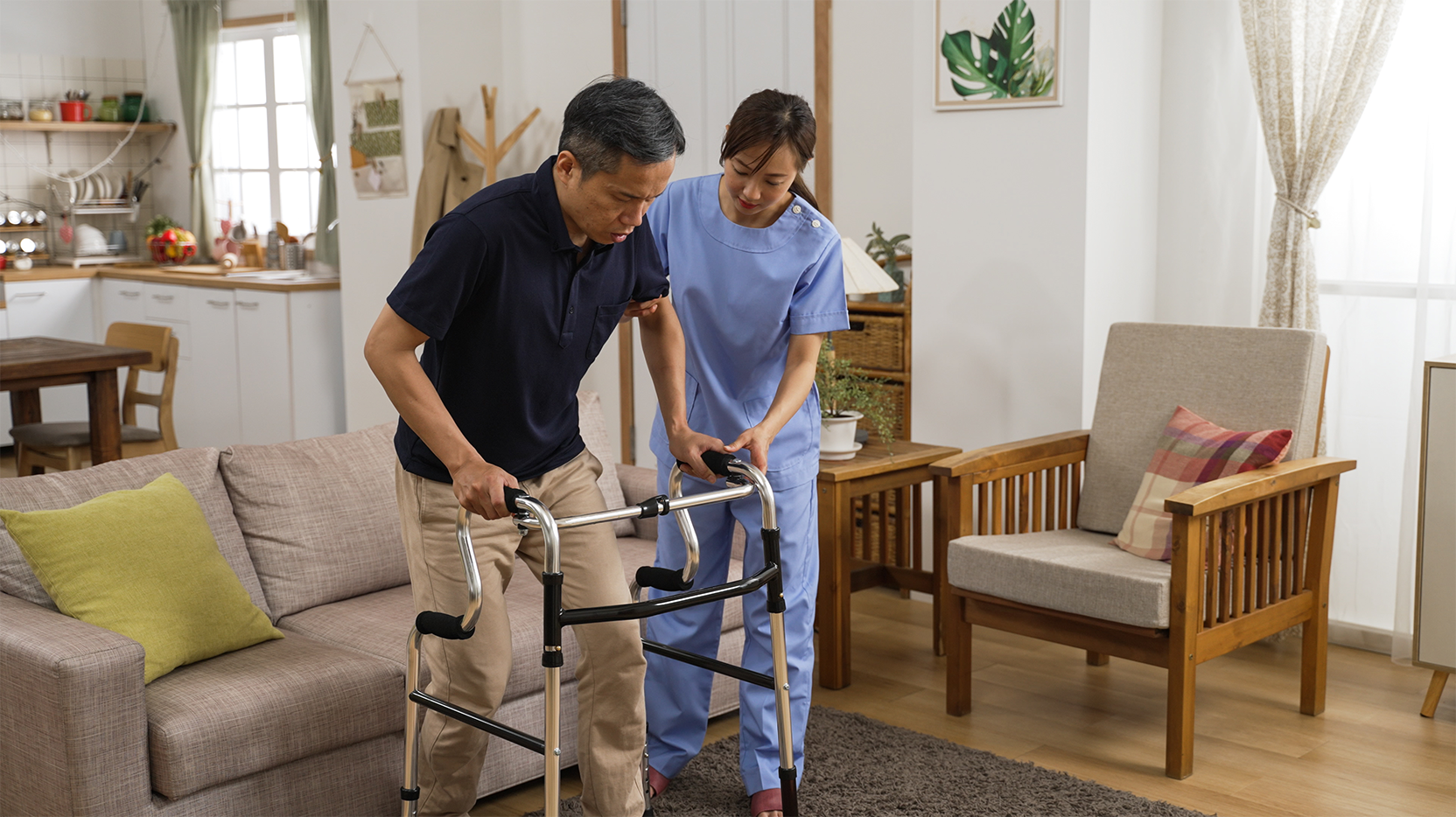
Where you’ll go for therapy will depend on your personal situation. You may be transferred to an inpatient rehab facility or skilled nursing facility. If you can live at home, you might go to an outpatient rehab center. If needed, a physical or occupational therapist could come to your home.
Phase 4: Rehabilitation Continues at Home
Because not all strokes are the same, it can be hard to know exactly what to expect. Your post-stroke rehabilitation program will be tailored to your specific needs, focused on helping you relearn the skills you lost. Plus, you’ll work to improve strength, confidence and the ability to do daily activities.
After rehab, you may be referred to a Sutter neurorecovery clinic for help with advanced motor or cognitive recovery or spasticity clinic for help with stroke-related mobility and pain. Sutter also encourages you to join one of our stroke survivor support groups.
Every stroke survivor’s recovery looks different. But the basics of a stroke recovery timeline are the same: Early treatment, prompt rehabilitation and intentional multidisciplinary therapy in the early months and beyond can make a difference for life after a stroke.
Explore related topics
Comprehensive Stroke Care
At Sutter, we offer a full continuum of care for stroke, from initial treatment through recovery.
Meet our care team