Who’s on your cancer care team?
A cancer diagnosis can bring a lot to process at once. In addition to learning about your diagnosis, you may be meeting several new specialists, hearing unfamiliar medical terms and trying to understand the role each person plays in your care.
That team is there for a reason. At Sutter, cancer care is designed around you, with specialists who work together to coordinate your treatment, support your well-being and help you feel more informed at each step.
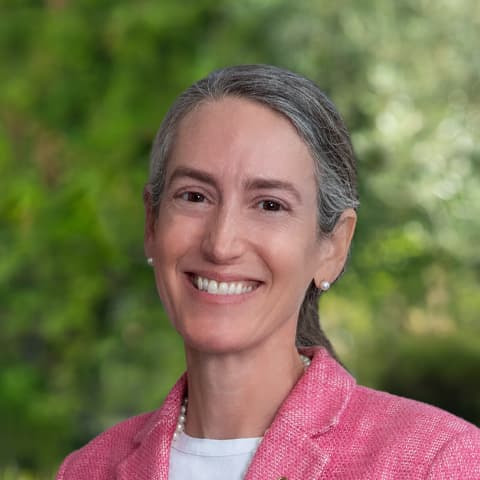
Healthcare systems like Sutter use a multidisciplinary approach to help ensure that every part of your care is considered. Amanda J. Wheeler, M.D., a breast surgical oncologist, says each cancer support team works as a cohesive unit to look at whole-person health.
Here’s a breakdown of the specialists you may meet and how they work together to provide supportive care in cancer.
The patient navigator
The medical system is a complex landscape, and “the patient navigator is your personal GPS,” Wheeler says. “These specialists are the glue of the cancer care process.”
From the moment of diagnosis, one of Sutter’s 55 patient navigators serve as your primary point of contact. They schedule appointments, can sometimes facilitate early access to treatment, and help you navigate the psychological impact of your journey. If you ever feel lost or have a question, your patient navigator will help find an answer.
The clinical core
Depending on your diagnosis, different specialists will be involved with your cancer care. Wheeler mentioned the most common specialists:
- A medical oncologist will manage your systemic treatment plan, overseeing chemotherapy, immunotherapy or hormone therapy.
- A radiation oncologist uses high-energy radiation to shrink tumors and kill cancer cells.
- A surgical oncologist specializes in removing tumors and performing biopsies.
The extended support team
In addition to your patient navigator — think of this person as a project manager coordinating all the moving parts — your cancer support team includes specialists focused on your quality of life and long-term wellness.
- Dietitians can help you maintain your strength and manage appetite changes during treatment.
- Genetic counselors help you and your family understand whether there’s an inherited risk, which is important information for the health of your siblings or children. It can also identify targets for personalized treatments.
- Palliative care teams focus on relieving symptoms and stress at any stage of your illness; their supportive care in cancer helps you stay as comfortable as possible.
- Physical therapists and lymphedema specialists help you maintain or regain your mobility and manage any post-surgical physical side effects.
- Social workers help manage the emotional and logistical hurdles, from processing your diagnosis to finding local resources.
Tumor boards
You probably won’t see it happening, but as part of cancer care, a brain trust regularly reviews patients’ cases. Sutter Health operates 52 tumor boards. At these weekly meetings, medical, surgical and radiation oncologists gather with navigators and pathologists.
“Specific patient cases are presented to the entire team,” Wheeler says. “We look at it from different angles to make sure we’re giving the patient the right care and working toward the best possible outcome.”
This collaborative approach means that even if you’re receiving cancer care in a smaller community, you benefit from access to the expertise of a vast network.
“Across our system, we have 250 and counting clinicians and physicians that take part in our programs of distinction, which are working groups around disease sites,” Wheeler says. “These groups meet regularly to push the envelope and ensure we’re staying on the leading edge of treating those disease sites. That information trickles down to the tumor boards and local multidisciplinary teams.”
Tips for keeping track of your team
With all these specialists on your cancer care team, how do you stay organized?
- Lean on financial navigators. Don’t let the business side of cancer pile on more stress. Non-clinical team members can help you manage insurance and financial questions. Your patient navigator can connect you.
- Request a warm encounter. Many teams are moving toward digital introductions and videos, so you can see their faces and hear their voices before your first exam room visit.
- Use digital platforms. Tools like Sutter’s My Health Online allow you to message your patient navigator or doctors directly and keep your records in one place.
Focus on your family
Cancer impacts the patient, but it also affects the whole family. Wheeler emphasizes that families often need just as much guidance and support as the patient. “The goal of modern cancer care is to support the entire unit,” she says.
Your cancer care team has one unified goal: to deliver treatment that’s as seamless and frictionless as possible, and — most importantly — focused on you.
Explore related topics
Support you can count on
Our oncology teams are here to manage your care, answer your questions and support you at every step.
Meet our care team