Your Questions About Colonoscopy Answered
A cancer diagnosis can bring a lot to process at once. In addition to learning about your Whether you’re getting your first colonoscopy or you’ve had one before, it’s normal to have questions. What does the prep involve? How long does it take? And what happens afterward?
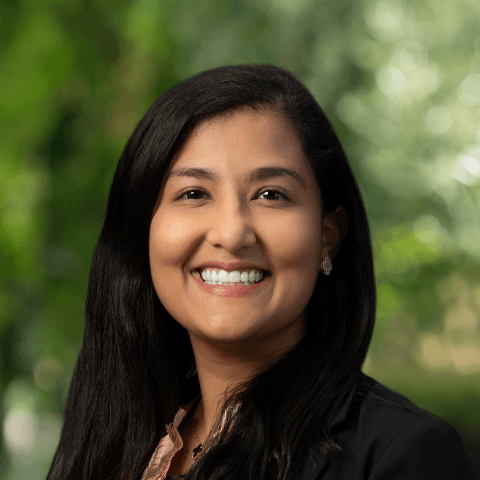
Rani Berry, M.D., a gastroenterologist with Sutter, walks through what you can expect — and why this screening plays such an important role in preventing colorectal cancer.

What Is a Colonoscopy?
A colonoscopy is a screening test that looks for signs of cancer or precancerous growths in the large intestine, including the colon and rectum. It’s done as an outpatient procedure.
During the test, you’ll receive sedation to help you relax — many people sleep through it and don’t remember the procedure at all.
The procedure itself is relatively quick. “It typically takes about 20 to 30 minutes,” Berry says. “But you should plan to be there for a few hours total, including preparation and recovery time.”
Because of the sedation, you’ll need someone to drive you home afterward.
Why Are Colonoscopies Important?
Colorectal cancer is one of the most common cancers — but it’s also one of the most preventable with regular screening.
What makes colonoscopy unique is that it can both detect and help prevent cancer.
“Most colorectal cancers develop from polyps that grow slowly over time,” Berry explains. “During a colonoscopy, we can find and remove those polyps before they turn into cancer.”
That ability to act early is what makes screening so valuable.
When Should You Start Screening?
For most adults at average risk, screening for colorectal cancer begins at age 45. If your results are normal, your provider may recommend repeating the test every 10 years.
If you have a family history or other factors that increase your risk for colorectal cancer, your doctor may recommend that you start screenings even earlier.
What Is Colonoscopy Prep?
Preparation is an important part of the process — and often the part people worry about most.
Colonoscopy prep usually starts a couple of days before your procedure with a low-residue diet. That means choosing foods that are easier to digest and leave less material in your system.
“Avoid foods like whole grains, raw vegetables, nuts and seeds,” Berry says. “Instead, focus on options like white bread, eggs, chicken, fish and clear broths.”
The day before your procedure, you’ll switch to a clear liquid diet and take a prescribed solution that helps clean out your colon. This step is essential so your doctor can clearly see the lining of your colon during the exam.
“Honestly, the prep is the part patients dread most, and I understand why,” Berry says. “It’s not the most pleasant experience. But I remind my patients that the prep is the hardest part. The procedure itself is something most people sleep through.”
If you’re feeling anxious, learning the truth behind common colonoscopy myths may also help ease concerns before your procedure.
Are There Other Screening Options?
Colonoscopy isn’t the only way to screen for colorectal cancer. There are also stool-based tests that look for hidden blood or changes in DNA.
These options are less invasive and can be a good fit for some people. However, they do have limitations.
“If a stool test comes back abnormal, a colonoscopy is still needed,” Berry says. And unlike a colonoscopy, these tests can’t remove polyps.
That’s why it’s important to talk with your provider about the pros and cons of each option.
“The most important thing is to get screened,” Berry says. “We want to find an approach that works for you.”
Taking that first step may feel like a hurdle, but it’s one of the most effective ways to protect your long-term health.
Explore related topics
Lower Your Cancer Risk
Your primary care doctor can review your cancer risk factors and recommend screenings and lifestyle changes.
Meet our care team