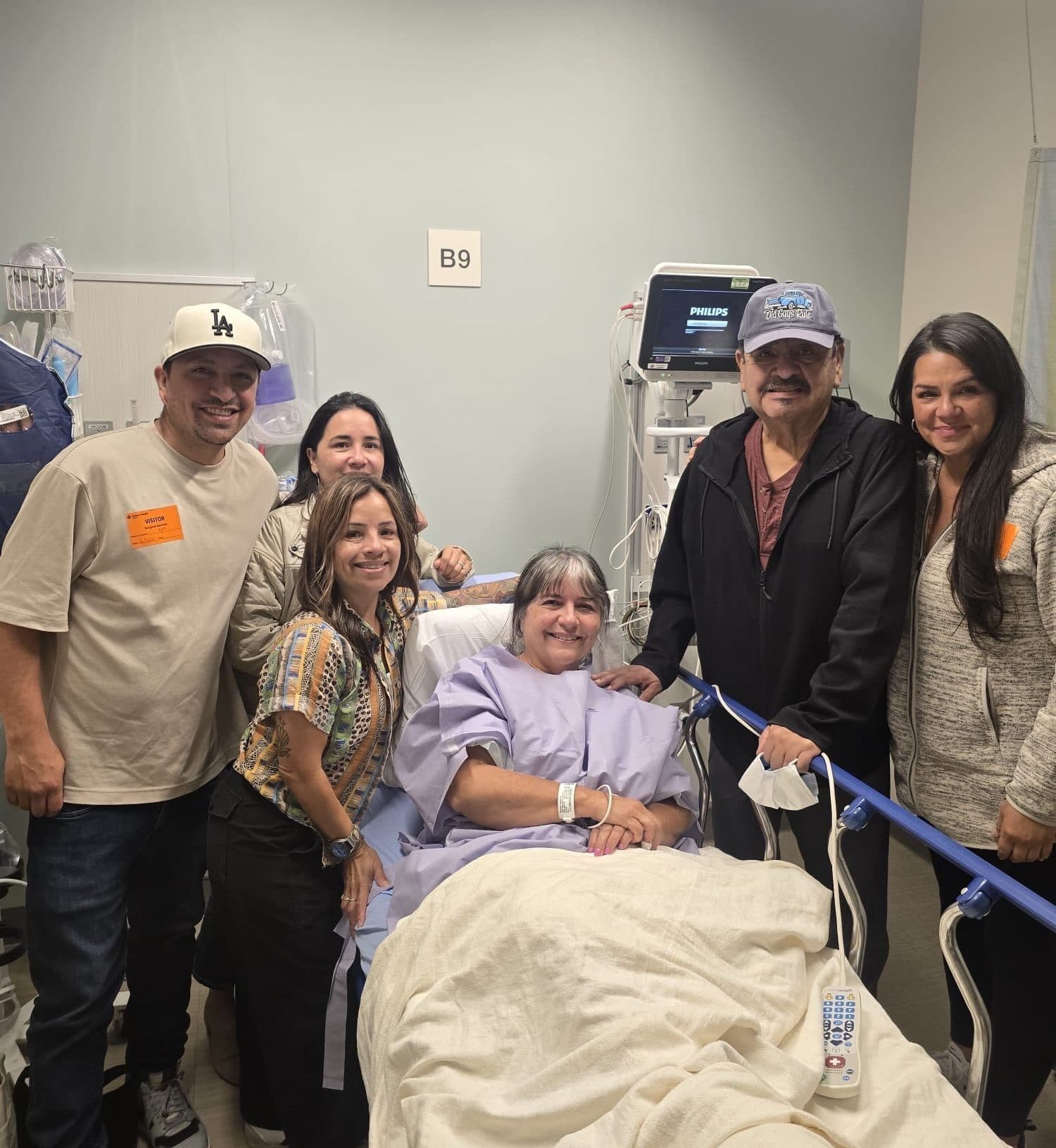
When Rick Herrera’s kidney function dropped to 12%, his wife didn’t wait.
After 39 years of marriage, Stephanie Herrera stepped forward to donate one of her kidneys, helping him avoid dialysis and a years-long wait for a deceased donor.
Rick Herrera had managed kidney disease for 25 years, but his condition had reached a critical point. The Auburn couple turned to Sutter Health’s Living Kidney Donor Program at Sutter’s CPMC in San Francisco. On June 30, Stephanie Herrera donated her kidney to her husband.
Stepping Forward
Stephanie Herrera, a payroll manager at Sutter, began screening last August.
“I thought it would just be a simple blood type test,” she said. “But there was more involved. At one appointment, I even had a test to confirm I had two kidneys. I didn’t know you could be born with just one.”
That surprise is common – and intentional.
Over several months, Herrera completed a series of advanced imaging, lab and cardiac tests, part of a process designed to protect a donor’s long-term health.
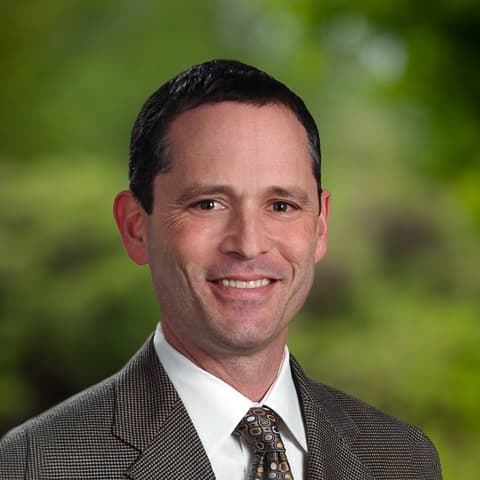
“We look at donor safety first,” said Steven Katznelson, M.D., medical director of Sutter’s Living Donor Transplant Program. “It’s a step-by-step process. You’re never doing this alone.”
Nearly 20,000 people in California are waiting for an organ transplant, and patients can wait seven to 10 years for a deceased donor kidney. While CPMC surgeons perform about 200 kidney transplants each year, the program is working to increase living donations beyond 30% to help patients avoid long delays.
Living donor kidneys often function longer and typically begin working right away, since they spend little time on ice. The planned nature of the surgery also allows donors and recipients to better coordinate time off work and recovery.
Stephanie Herrera proved to be a direct match for her husband, but she said she was prepared to enter a paired exchange (or “swap”) with a stranger if needed.
The Barry S. Levin Department of Transplantation at Sutter’s CPMC is nationally ranked as one of the top transplant programs in the country with survival rates among the best in the U.S.
Opening Life Back Up
Both Herreras are recovering following surgery.
For their family – four children, 13 grandchildren, two great-grandsons and a great-granddaughter on the way – the transplant means a return to everyday life, including their annual camping trip to Rollins Lake.
“It gives our family the chance to plan for the future,” Stephanie Herrera said. “It also means fewer restrictions and the ability to enjoy food and daily life again.”
Rick Herrera can now move forward with a long-delayed knee replacement. His worsening knee pain had been difficult to treat because of his kidney disease.
For Stephanie Herrera, going through the process as a spouse, patient and Sutter employee offered a new perspective.
“It gives you a completely different appreciation for the care teams and all the coordination that goes into every transplant case,” she said. “I’m so grateful.”
With the surgeries behind them, the Herreras are focused on the joy of planning ahead.
Since 1969, CPMC’s transplant team has performed more than 10,000 organ transplants.
The program is at the forefront of innovation, pioneering multi-kidney swaps and leading the way in minimally invasive, robotic transplant surgery.
Explore Sutter’s Living Kidney Donor Program here.