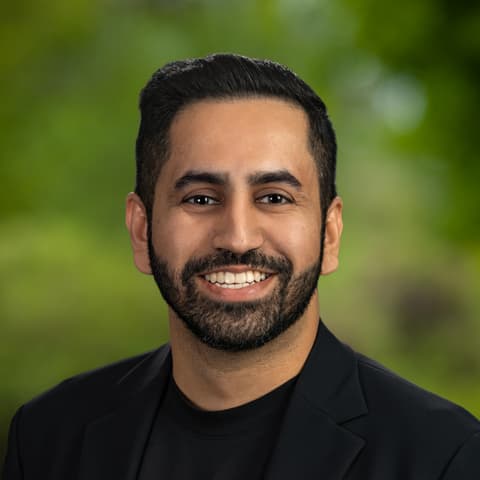
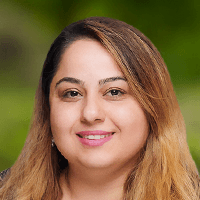
James Weaver had depression and anxiety caused by a variety of traumas in his life and career. Traditional psychiatric therapies weren’t working, so he turned to Sutter Center for Psychiatry in Sacramento for advanced treatment.
The region’s premier psychiatric hospital and outpatient center had the right therapy for him: transcranial magnetic stimulation, also known as TMS. It is a non-invasive, interventional option for those dealing with major depression or obsessive-compulsive disorder who haven’t responded to traditional medications or psychotherapy.
Sutter Center for Psychiatry interventional psychiatrist Dr. Hammad Khan shows how the newest TMS chair will be providing safe, non-invasive treatments in just a week for those suffering depression and other psychiatric conditions.
Weaver’s two-month TMS treatment worked. “I was hoping for anything that they could do for me,” Weaver says. “What I got was so way beyond that.”
Now, Sutter Center for Psychiatry has launched an accelerated TMS program that will compress the traditional six- to eight-week TMS treatment down to one week. It is the latest tool from the interventional psychiatry department at Sutter Center for Psychiatry, which is the only hospital in the Sacramento region that has both TMS and its sister therapy — electroconvulsive therapy, or ECT — for those who aren’t responding to traditional psychiatric treatments.
The dual approach of ECT and TMS highlights the comprehensive nature of Sutter’s offerings.
ECT is known for its effectiveness in rapidly alleviating severe depressive symptoms and other acute mental health conditions. It involves administering a controlled electrical stimulus to the brain under anesthesia. On the other hand, TMS offers a non-invasive alternative, using magnetic waves to target brain areas involved in mood regulation, allowing patients to remain awake with minimal side effects.
New Accelerated TMS Program
Approved by the FDA in 2019, accelerated TMS therapy occurs over two weeks or less, with three to five sessions conducted each day.
“The accelerated program is tailored for patients seeking quick results and those who are not suitable candidates for ECT due to potential anesthesia side effects,” said Dr. Hammad Khan, Sutter Center for Psychiatry’s director of interventional psychiatry.
Both traditional and accelerated TMS employ the same magnetic brain stimulation technique but differ mainly in their treatment schedules. Despite the intensity of the treatments, patients generally feel normal afterward and can return to their regular activities immediately.
Community Involvement Expands Services
Community support, including significant contributions from the Thomas P. Raley Foundation, has been instrumental in creating a new Behavioral Health Center of Excellence at Sutter. The effort will merge inpatient and outpatient services, enhancing Sutter’s ability to treat a wider range of conditions and reinforcing its role as a leader in mental health services in the region.
A generous gift from the Thomas S. Raley Foundation establishes the Joyce Raley Teel Outpatient Center at Sutter Center for Psychiatry.
“It’s uplifting to know that you’re not alone in this journey and you can actually become the voice of the voiceless,” said Sutter Center for Psychiatry Chief Medical Executive Dr. Ozra Nobari.
During this Mental Health Awareness Month in May, expanded care options at Sutter Health and its Sutter Center for Psychiatry bring healing and hope.
It did for James Weaver. He says he would highly recommend the TMS treatment he received to anyone in a similar position.
His wife, Maria, agrees. “To see that shine come back … and seeing glimpses of who he was and who I know him to be,” she says, “I can’t even describe it.”
Sutter has five inpatient care centers for mental health and addiction care across Northern California. These hospital-based and freestanding care sites offer 216 beds to serve patients requiring 24-hour care. Sutter also has eight outpatient care centers that provide mental health and addiction care services in our communities. Learn more about Sutter Center for Psychiatry or call 916-386-3620.