Thankful Dad Beats the Odds With Life-Saving Heart Care
when I think about things I could have missed out on,
I see my family, my kids, Theo and Oscar, my wife Fiona,
the summer that we got to spend together.
I mean, I would have missed out on just being with them.
[WHOOSH]
It was a morning, early morning.
I had gone to the bathroom.
And the next thing I knew, I was on the floor.
The dogs were barking and my kids were there.
And then my wife came and said, I'm calling 911.
The paramedics hooked me up and saw the irregular rhythm
and just said, we're going to Oakland.
Right there, that probably saved my life.
[WHOOSH]
SONIA GARG: When Chris came to the hospital,
he was having a very severe type of heart attack.
He was as sick as a patient can get.
It was extremely dire for him.
He was emergently taken to the cath lab
and found to have two blocked arteries
and treated with four stents, and unfortunately, 24 hours
later, suffered a very complex complication
of his heart attack.
[WHOOSH]
JUNAID KHAN: Chris's heart attack
was so big it had completely killed off
one of the muscles inside the heart that connects to a valve.
This valve was not able to close,
and the blood in the heart was all flowing backwards.
He was in cardiogenic shock, and was imminently going to die.
Sometimes we can repair the mitral valve.
But when there's a full rupture, there's nothing to repair.
So we replaced the mitral valve.
[MUSIC PLAYING]
For the vast majority of cardiovascular patients,
we employ one or two techniques in to get them to survive.
In Chris's case, every single thing that we can offer
was offered to Chris during his admission here.
[MUSIC PLAYING]
SONIA GARG: When someone in the hospital gets that sick,
a lot of different teams have to come together.
We have several nurses, the cath lab staff,
or interventional cardiologists, CT surgeons, advanced heart
failure like myself.
And that's the purpose of having a multidisciplinary
cardiovascular team.
[MUSIC PLAYING]
Sutter Health bringing such high level of cardiovascular care
to the East Bay community really speaks
highly to what the people here really want to do.
It's not just about the patient.
It's about their family and the lives
that they touch, the change and the difference
that they make in their community.
[WHOOSH]
Oftentimes, patients, they don't have memory
of what happened to them.
So one of the nurses decided to create a journal for Chris
to capture key moments in his recovery.
CHRIS DOWD: Five nurses, three doctors,
and a respiratory therapist at your bedside to help--
I do remember that.
Yeah, I do remember holding-- yeah, I remember--
I'm so grateful because I was all over that hospital.
And right down the line, everyone was fantastic.
One of the ICU nurses, Stephanie, got this.
They signed it, kind of a small, very thoughtful gesture.
But this means so much to me, I can't even tell you.
[WHOOSH]
[MUSIC PLAYING]
SONIA GARG: See how the function of the heart
is now actually squeezing when it wasn't before?
CHRIS DOWD: Right.
SONIA GARG: So we've made a lot of progress actually.
You're doing much better.
CHRIS DOWD: I feel really energized now to keep going.
[MUSIC PLAYING]
[WHOOSH]
Right now I see Fiona, and Theo, and Oscar.
But because of the experience and because I've
lived through it, I see things differently now.
There's an opportunity for me to be a better person,
be impactful in a positive way, so all the people that cared
for me, they'll be proud of me.
I want them to know that it's worth it.
[MUSIC PLAYING]
“When I close my eyes and think about what I could have missed, I see my family my wife Fiona, my kids Theo and Oscar. I would have missed out on just being with them," says Christopher Dowd.
It started as an ordinary morning last spring. Christopher Dowd had just woken up when he collapsed on the bathroom floor at his home in Richmond, CA. His dogs barked, his kids rushed in and his wife Fiona called 911. When the paramedics arrived, they immediately recognized the 54-year-old’s irregular heart rhythm and made a critical decision: “We’re going to Oakland.”
That choice likely saved his life.
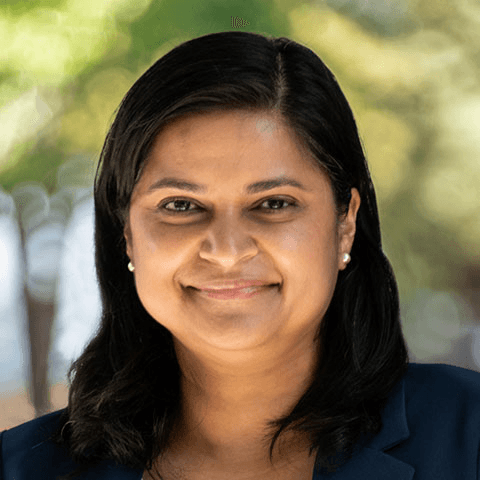
“When Chris arrived at Sutter’s Alta Bates Summit Medical Center — Summit Campus, he was having a severe heart attack and was as sick as a patient can get,” recalls Sonia Garg, M.D., an advanced heart failure specialist with Sutter East Bay Medical Group who practices at Alta Bates Summit in Oakland. “He was rushed to the cath lab, where two blocked arteries were treated with four stents.”
The cath lab team quickly intervened to address blockages in Dowd’s coronary arteries. After the procedure, he was transferred to the intensive care unit, where his recovery seemed promising. During rounds, he spoke about his 18-year-old son choosing between colleges in San Diego and Santa Cruz, joking about which would be the “party school.” He was grateful for the care that allowed him to be there for his son’s future.
But just twenty-four hours later, Dowd faced a devastating complication — a ruptured papillary muscle inside his heart.
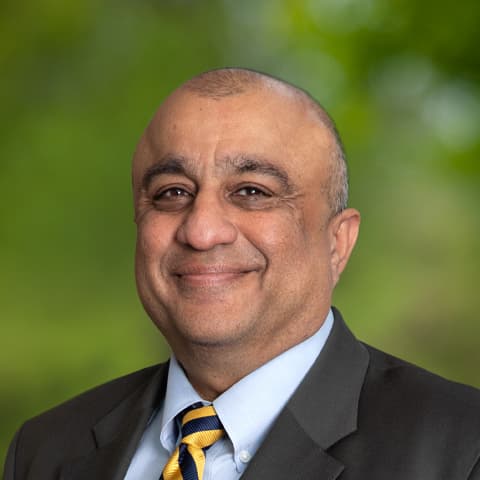
“The rupture meant his mitral valve couldn’t close, and blood was flowing backward. He was in cardiogenic shock and imminently going to die,” recalls Junaid Khan, M.D., FACC, FACS, a thoracic and cardiac surgeon and director of Cardiovascular Services at Alta Bates Summit. “The team replaced the valve — a complex, high-risk surgery. In Chris’s case, every advanced technique Alta Bates Summit could offer, including ECMO* support, valve replacement, multiple surgeries and continuous critical care was provided.”
From the emergency department to the cath lab, ICU and operating room, Dowd was surrounded by caregivers — nurses, respiratory therapists, perfusionists, cardiologists, cardiothoracic surgeons and more.
“When someone gets that sick, a lot of different teams have to come together,” says Dr. Garg. She explains that this collaboration is “the purpose of having a multidisciplinary cardiovascular team like the one at Alta Bates Summit.”
One ICU nurse even created a journal to capture moments Dowd couldn’t remember. “It was a small gesture, but it means so much to me,” he says.
“Sutter Health bringing such high level of cardiovascular care to the East Bay community really speaks highly to what the people here really want to do,” says Dr. Garg. “It’s not just about the patient. It’s about their family and the lives that they touch, the change and the difference that they make in their community.”
Today, Dowd is home, wearing a life vest for protection and watching hockey with his family.
“I see things differently now,” he reflects. “There’s an opportunity for me to be a better person, to make the people who cared for me proud. I want them to know — it’s worth it.”
*ECMO is an abbreviation for extracorporeal membrane oxygenation, a life-saving machine that acts as an artificial heart and lungs to circulate blood, adding oxygen and removing carbon dioxide for patients with severe heart or lung failure.
Discover similar stories
Choose a service topic below to read more stories like this one.
Your Partners in Heart Health
Meet our care team