


About the Residency Program
The second they start with all the responsibility,
they see the same patients I see.
They deliver babies, they take care of newborns,
and we teach 'em all to do it as they go.
Variety is always good.
There's big city medicine and small town medicine.
Having the variety
of doing surgery in a urban major medical center
and then going to a smaller town setting is exciting.
I definitely feel different than first year.
Kind of been growing
to be a little more comfortable in your
new skin as a doctor.
This was actually my second to last interview out of like,
I don't know, 25 I think, and I almost canceled it.
I almost said forget it, you know,
I've been into enough places, but I came here anyway.
I was like, just give it a shot.
And a lot of the wellbeing aspect
of things was really easily visible.
You could look at the residents and look at the faculty
and see that everyone genuinely enjoyed their time here
and that was really important to me.
The faculty are really kind and supportive,
but, you know, challenge you and kind of a fun way.
I like family medicine
because you get to do a little bit of everything.
Family is pretty important to me.
I have two kids and a third on the way,
and I could tell early on
that this is a family friendly program.
The Sutter Health Family Medicine residency program has
developed four unique program tracks
that offer residents the opportunity
to practice in an environment that aligns
with their interests in each of these tracks.
Residents will spend their first year at Sutter Medical
Center, Sacramento, where they will practice in a large
multidisciplinary hospital in the heart of the capital city.
Residents who choose the Sacramento Track will continue
serving the same diverse urban population in their
second and third years of training.
The Davis Track is designed
for residents interested in working at a
small community hospital.
Residents spend the majority of their time at Sutter Davis,
but will also have the opportunity to train in Sacramento
for disciplines not offered at Davis.
For residents interested in working in a rural environment,
we offer the Amador rural training track
and the coast rural training track In these tracks,
residents will spend their second
and third years working at Sutter Amador Hospital in the
city of Jackson, or at Sutter Coast Hospital in Crescent
City near the Oregon border.
I selected the rural Amador track
because I wanted to practice medicine
and train in an area that allowed me to live
amongst the community I'd like to serve during my career.
I love the idea of being part of the community.
That's why I chose Amador.
It's nice to have residents out here
and kind of doing the same thing
that I did when I was a resident.
The clinic has been this incredible space where not only
learning can be comfortable at work, can be comfortable.
Residents absolutely love their patients
and the patients love their residents,
and it turns out to be this beautiful small town feel.
For me, I feel like the first year being in the,
the large mothership of downtown has been good.
And then being juxtaposed
with here at Sutter Davis Hospital,
where it's a smaller community hospital,
but you still get the same medicine
that you do in Sacramento.
It's an urban medical center,
and the residents rotate with us down here, uh,
for their surgery rotation.
Sacramento kind of had that urban feel,
had a diverse group of patients.
There's a little bit more, um, opportunities here
to pursue HIV medicine addiction medicine, so
that's why I chose this area.
Our curriculum is both broad.
It covers everything that family medicine should be
covering, but also we have incredible flexibility
in terms of electives.
The sky's the limit, essentially like you wanna do it, you,
you just have to talk to the faculty
and we'll find a way to make it do it.
And that's, I think, the spirit of family medicine.
You can do anything.
Residency is hard, but we make it as nurturing
and welcoming as possible.
We have retreats, support groups, team building.
We've worked at community gardens, floated down the river,
volunteered at food banks.
All these things are done to maintain the overall wellbeing
of our residents for the time that we have them.
We like to spend time together
and we're able to learn a lot
of medicine while still keeping each other afloat In
terms of wellness,
I think with any kind of growth,
it's initially uncomfortable,
but then being uncomfortable means you're growing,
but growing in a safe space with people who are always there
to help you is a really good feeling.
Cider Health kind of checked all the boxes I wanted to,
in a residency, I wanted an unopposed program
where I wasn't competing with other specialties.
I wanted to practice full scope medicine,
which I had been able to,
and I wanted to make sure I was at a residency
where I had felt like I would have good relationships
with both my colleagues and the faculty, which I have
Their excitement for.
Medicine is contagious
and it's invigorating to spend time with these people
because it makes you better.
Every time I've worked with someone
or taught them something, it, it, uh,
gets me more excited about continuing to, you know,
do this for the rest of my life.
The strength of our program is we make really great solid
family physicians who go out in the
community and do what they do.
They come in afraid and new
and I call them the baby doctors
and suddenly over three years they grow into these
incredible physicians
and it's so, there's so much pride in watching that
and it's just an honor to be a part of that journey.
I love family medicine. Um, I felt like it was something
that I decided relatively late in my medical school,
school career, but residency has really just only solidified
that seeing it here in this residency especially,
like it's everything that I thought I wanted out of medicine
as a med student.
Sutter Health Family Medicine Residency Program
The Sutter Health Family Medicine Residency Program is committed to training exemplary family physicians of different backgrounds to be future healthcare leaders who provide expert person-centered care to a varied population within an evolving and integrated healthcare organization.
Sutter Amador Training Track
The Sutter Amador Rural Training Track combines the best of both worlds with the first year spent training in our “flagship” medical center in Sacramento, CA and the second and third year spent in our state-of-the art hospital in rural Jackson, CA.
Sutter Coast Training Track
Discover a training experience as dynamic as the communities you’ll serve. The Sutter Coast Rural Training Track blends the intensity of urban medicine with the heart of rural care. Begin your journey in Sacramento’s leading medical center, then head to California’s breathtaking North Coast for two immersive years serving a rural, limited access community. From cutting-edge clinical training to deeply meaningful patient relationships, this program empowers future physicians to lead with skill, compassion, and purpose — where they’re needed most.
Sutter Sacramento Training Track
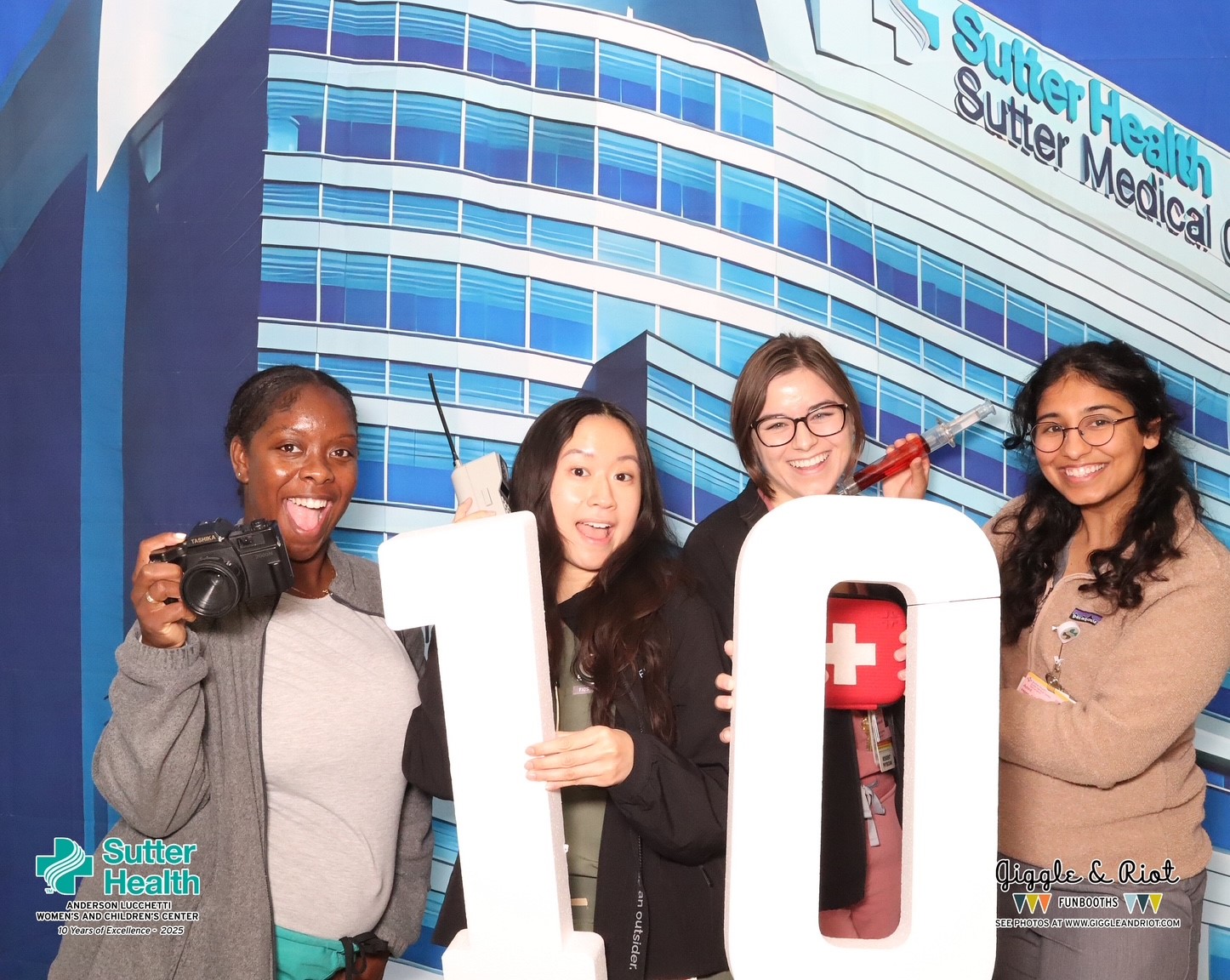
The Sacramento Training Track is the largest track with a 6-6-6 resident distribution and resides at 1201 Alhambra Blvd, just two blocks away from Sutter Medical Center, Sacramento (SMCS) in the heart of the midtown area. SMCS is a quaternary care, 500+ bed hospital consisting of Ose Adams Medical Pavilion and the more recent Anderson Lucchetti Women & Children’s Center, which opened in August of 2015. The location of the hospital has historical significance as some form of a hospital has resided here for almost a century serving the Sacramento area. Some consider it the de facto County hospital as it sees a disproportionately large number of uninsured patients in the area.
Notable features include: convenient adjacent parking for resident & attending physicians, a walkable scenic span connecting the two hospitals (also with a lactation pod); a physician’s lounge with free hot breakfast and lunch during weekdays for house staff/residents; comprehensive cardiac, stroke, and NICU services; and a high number of obstetrical deliveries where FM-OB trained physicians work alongside OBGYN physicians. Resident meals allowances can be used at a gourmet cafeteria with daily chef-made specials spread out over several stations/cuisine types; or at an adjacent coffee shop where one might encounter espresso, smoothies, or strawberry match drinks; or at the metromart convenience store bearing snacks, coffee, and light meals. No hangry residents here!
Sutter Davis Training Track
The Sutter Davis track resides in the same complex as Sutter Davis Hospital (SDH) just off Highway 113 at 2000 Sutter Place, in a suburban community/college town 20 minutes west of Sacramento. SDH serves the larger Davis community/Yolo County area and is consistently recognized for exceptional patient outcomes and patient satisfaction. SDH is known for its Family Birthing Center with water births, doulas, midwives, and FM-OB docs working alongside OBGYN docs! Also of note, Sutter Coast residents have their PGY-1 continuity clinic here while doing their SMCS-based rotations in nearby Sacramento.
Opportunities
Sutter Medical Center, Sacramento (SMCS) is an award winning Quaternary Acute Care Hospital with everything a Family Medicine resident needs for a good education: a dedicated pediatric emergency room, a large inpatient pediatric care unit, 6,000+ obstetrical deliveries per year, and advanced care for cardiac, orthopedic, neurologic, and oncologic conditions. Throughout the Sutter Health organization, our mission is to enhance the health and well-being of people in the communities we serve through compassion and excellence.
In our program, residents in all four tracks complete their first year of training at SMCS. Physicians in the Sacramento track continue to train in Sacramento for PGY-2&3.
Physicians in the Sutter Davis track continue their training in the small-town setting of Davis. There, residents are part of a newly renovated outpatient/inpatient primary care facility within the vibrant community of a large public university and the smaller agricultural communities that surround it.
Physicians in the Sutter Amador rural track continue their training in beautiful Amador County. There, residents work in the state-of-the-art, 52-bed Sutter Amador Hospital (just 75 minutes from Sacramento) and the newly remodeled Family Medicine Continuity Clinic.
Physicians in the Sutter Coast rural track continue their training on the north coast in Del Norte County. There, residents transition to a rural and remote work environment at our 49-bed Sutter Coast Hospital Crescent City, California.
All residents have the opportunity to spend their elective time doing rotations at any of our four tracks. Though we have four separate tracks, residents feel the overarching unity of one program as they bond during shared didactics, team building, PGY level retreats, and special annual program retreat.
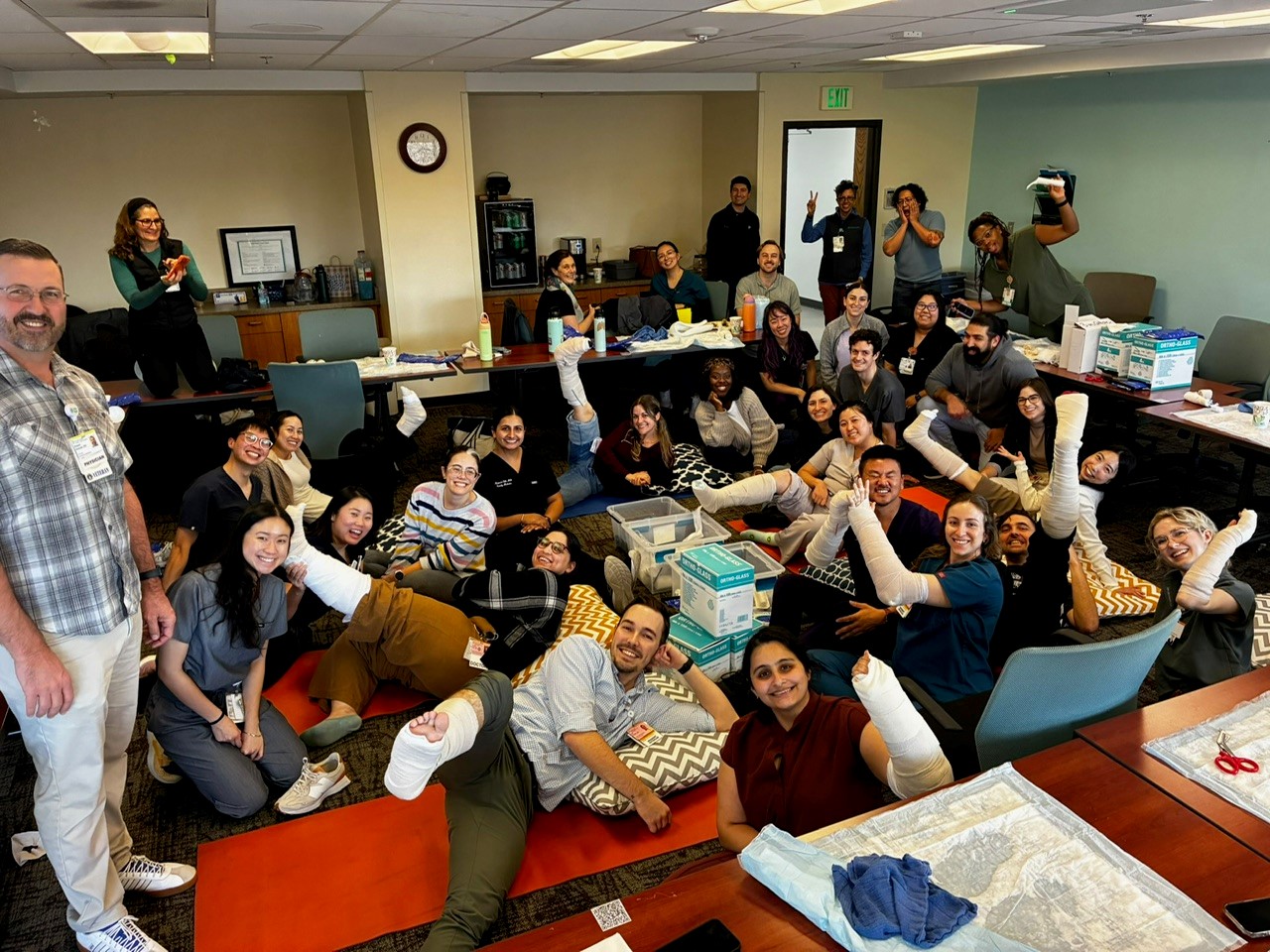
Residents in all tracks remain closely integrated for all three years through shared outpatient rotation sites, weekly didactic sessions, and frequent social events. Residents become proficient in inpatient and outpatient procedures including obstetrical and gynecologic procedures, vasectomies, circumcisions, dermatologic procedures, as well as orthopedic injections and splinting. Our curriculum includes numerous unique training opportunities.
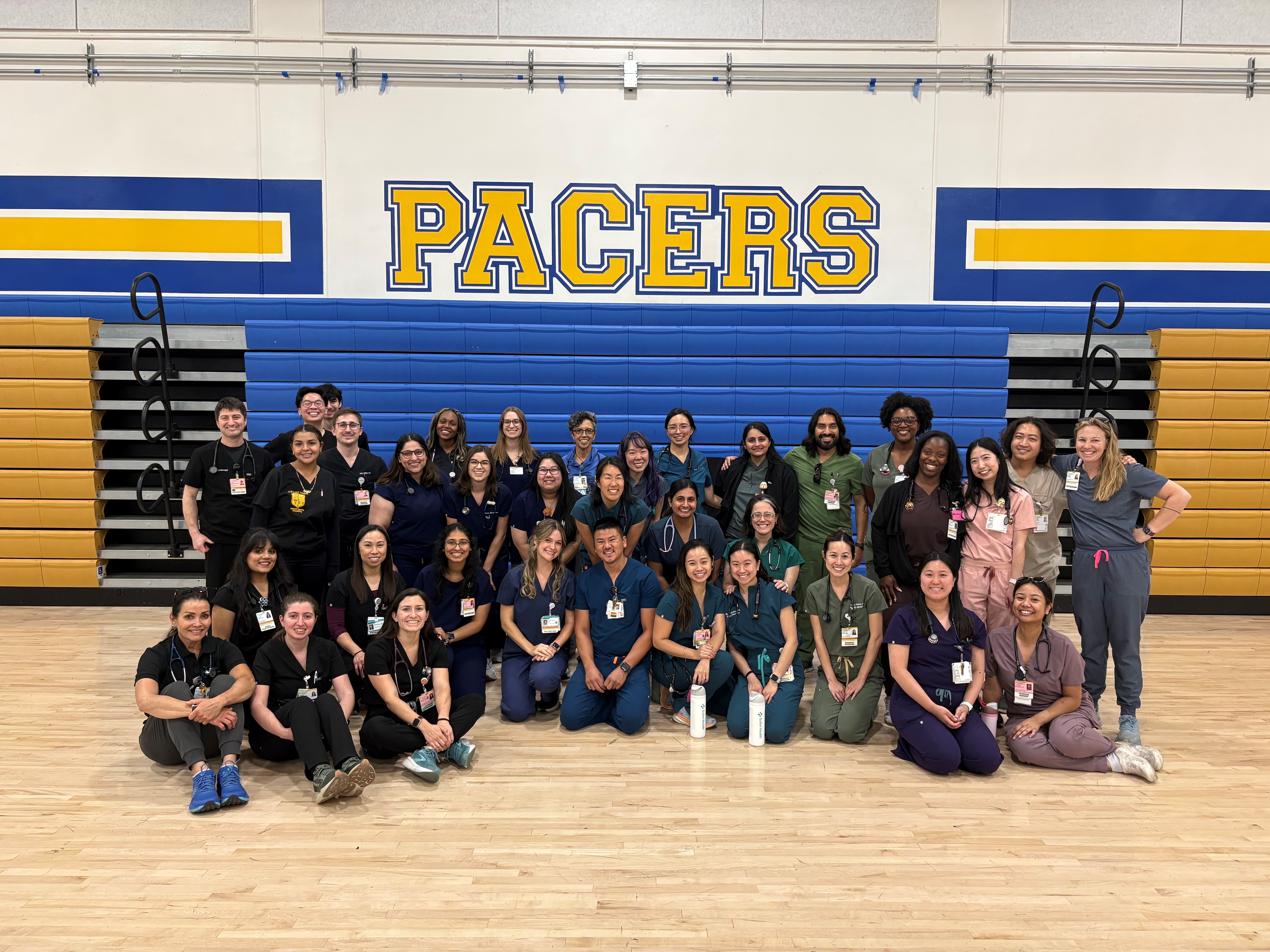
Our residents have the opportunity to participate in several moonlighting experiences, which provides a nice supplement to the already competitive salaries of Sutter residents. Furthermore, residents are involved with schools in the community where they perform sports physicals, and with community clinics where they volunteer time to care for the local uninsured population. Through these various experiences, residents are able to serve as mentors and attendings for medical students.
About the Community
Sacramento is California's capital city. The Sacramento metropolitan area is home to over 1.5 million people in environments that range from rural to suburban to decidedly urban, in a climate that many describe as "ideal." Sacramento offers a dynamic downtown center with opportunities to enjoy the arts, music, theater, dance and sports. Sacramento is home to the NBA Kings, and the River Cats minor league baseball team. Just a stone’s throw away from Sutter Medical Center, Sacramento, history buffs can enjoy Sutter's Fort — home to the 1849 Gold Rush. Old Sacramento is a favorite hotspot for dining, riverboat cruises, and seasonal festivals.
Sacramento encourages its residents to enjoy the outdoors. The climate boasts ample sunshine most of the year. Greenbelts, jogging paths and bike trails run throughout the city. The 23-mile American River Parkway is one of the largest urban recreational parks in the country, and provides opportunities for biking, rafting, wildlife viewing, fishing, golf, and picnicking. Day trips to the Sierra Nevada mountains satisfies the occasional ski or snowboard itch during the winter, or the craving for hiking, mountain biking or rock climbing during the warm summers.
Davis, located 20 miles from Sacramento, is the setting for those who choose a less urban environment for their training. Davis is home to the University of California, and is located in a rich agricultural area. Davis offers a stimulating intellectual environment with the feel of a small community. Probably most known as the city with more bicycles per capita than any other in the nation, it is — like Sacramento — a gateway to all outdoor activities. Environmental and social activism are important values in this college town.
Nestled in the foothills of the Sierra Nevada Mountains, Jackson is the county seat of Amador County, California. It is conveniently located an hour from Sacramento and two hours from Lake Tahoe. Amador County is rich in Miwok and Old West history and boasts world-class recreation, award-winning wineries and picturesque small towns.
Del Norte County offers the perfect blend of work and play. Nestled along America’s Wild Rivers Coast, it’s a place where you can escape the ordinary and explore extraordinary natural beauty. Wander through ancient old-growth redwoods, paddle or fish in some of the cleanest rivers in the country, surf along rugged beaches, or stargaze under crystal-clear skies—far from city lights. Outdoor adventures abound, from hiking, biking, and camping to horseback riding and world-class fishing. Our local economy is supported by a mix of agriculture, government services, education, tourism, and a vibrant network of small businesses that form the heart of our community.
Family Medicine Centers
In the Family Medicine Centers, residents participate in innovative practice models and work alongside physicians who are helping to shape modern day medicine. Each resident works with assigned medical assistants, nurses and office staff dedicated to make clinics run smoothly. Residents care for a panel of patients assigned to them throughout their residency. It is not uncommon for a resident to take care of three generations within a single family. Residents spend 1-2 half-days per week in the Family Medicine Center in their first year, 2-3 half-days in their second year, and 3-4 half-days in their third year.
All sites operate with state-of-the-art electronic health records (EPIC), resulting in near paperless offices. AI-based documentation software alleviates excessive typing. Each resident has their own dedicated workspace complete with computer and telephone. Our behavioral scientist is available to consult with residents about challenging patient-physician interactions and helps residents explore the biopsychosocial aspects of patient care.
All residents take turns participating in weekly gynecology clinics treating uninsured patients, biweekly dermatology clinics, and geriatric assessment clinics. Vasectomies, circumcisions, colposcopy, skin procedures, nasopharyngoscopies, joint injections, casting and numerous other procedures are performed regularly in the on-site procedure rooms.
The Sacramento clinic is located near downtown Sacramento, and serves an urban population. The clinic has 18 residents, several core faculty members, an incredible support staff, and several adjunct faculty members who enjoy precepting and teaching. Specialists from many disciplines are readily available for advice.
The Sutter Davis clinic is located in the college/agricultural town of Davis, about 20 minutes west of Sacramento. Here, residents and faculty work closely together to care for a varied patient population, from farmers to university professors. Our clinic has 6 residents, several core faculty members, adjunct faculty preceptors and community FM physicians whose doors are always open for consults. We have the unique opportunity to learn in-patient medicine at a small community hospital (while keeping the support of the tertiary care consultants a phone call away). Plus, our community is full of parks and greenbelts and hosts a phenomenal Farmer's market.
The Amador Clinic is located in the small town of Jackson, a little over an hour from Sacramento. Residents and faculty will work cooperatively on the many issues unique to rural areas. Our clinic has 4 residents and a full complement of core faculty and community faculty preceptors. The nearby Sutter Amador Hospital facilities will also support the clinic.
The Sutter Coast Community Clinic, located in Crescent City—the only incorporated city in Del Norte County—is approximately 350 miles from our urban site in Sacramento. This rural coastal community offers residents and faculty the opportunity to address the unique challenges of rural healthcare delivery firsthand. The clinic will host four residents, supported by a full team of core faculty and dedicated community preceptors. In addition, the nearby Sutter Coast Hospital will provide essential clinical support and facilities, enhancing the training experience and continuity of care for patients in our rural setting.
Living in Sacramento
California's capital city is home to rural, suburban and urban neighborhoods, all with the mild climate California is famous for. Our dynamic downtown center is a hub for arts, music, theater, minor league sports and one of the largest urban recreational parks in the country.
Contact Us
Program Director
Ryan Spielvogel, M.D.
Program Administrator
Kenneth Enad
Sutter Health Family Medicine Residency Program
1201 Alhambra Blvd., Suite 340
Sacramento, CA 95816
916-731-7866
If you would like to correspond with our residents, please send your request to: sutterfmrp@sutterhealth.org
To reach the Alhambra Family Medicine Residency Clinic:
Patient Clinic Appointments: 916-451-4400
Clinic Fax: 916-731-7955