Depression in women: Causes and contributing factors
If you’re having a crisis now, text or call 988 for the Suicide Prevention Lifeline. Always call 911 for life-threatening emergencies.
Depression can affect anyone. But depression is more common in women than in men, especially after puberty.
There isn’t one simple reason why. Instead, depression usually develops through a combination of biological, psychological, environmental and social factors. Hormonal changes, major life transitions, trauma, chronic stress, caregiving responsibilities and limited social support may all also increase the risk of depression for some women.
Knowing the signs of depression in women can help you recognize when symptoms may be more than everyday stress. It can also help you know when it may be time to talk with a doctor or mental health professional.
"Recognizing the signs and seeking help early can make a meaningful difference because depression is a common, treatable medical condition,” says Hammad Khan, M.D., a psychiatrist with Sutter.
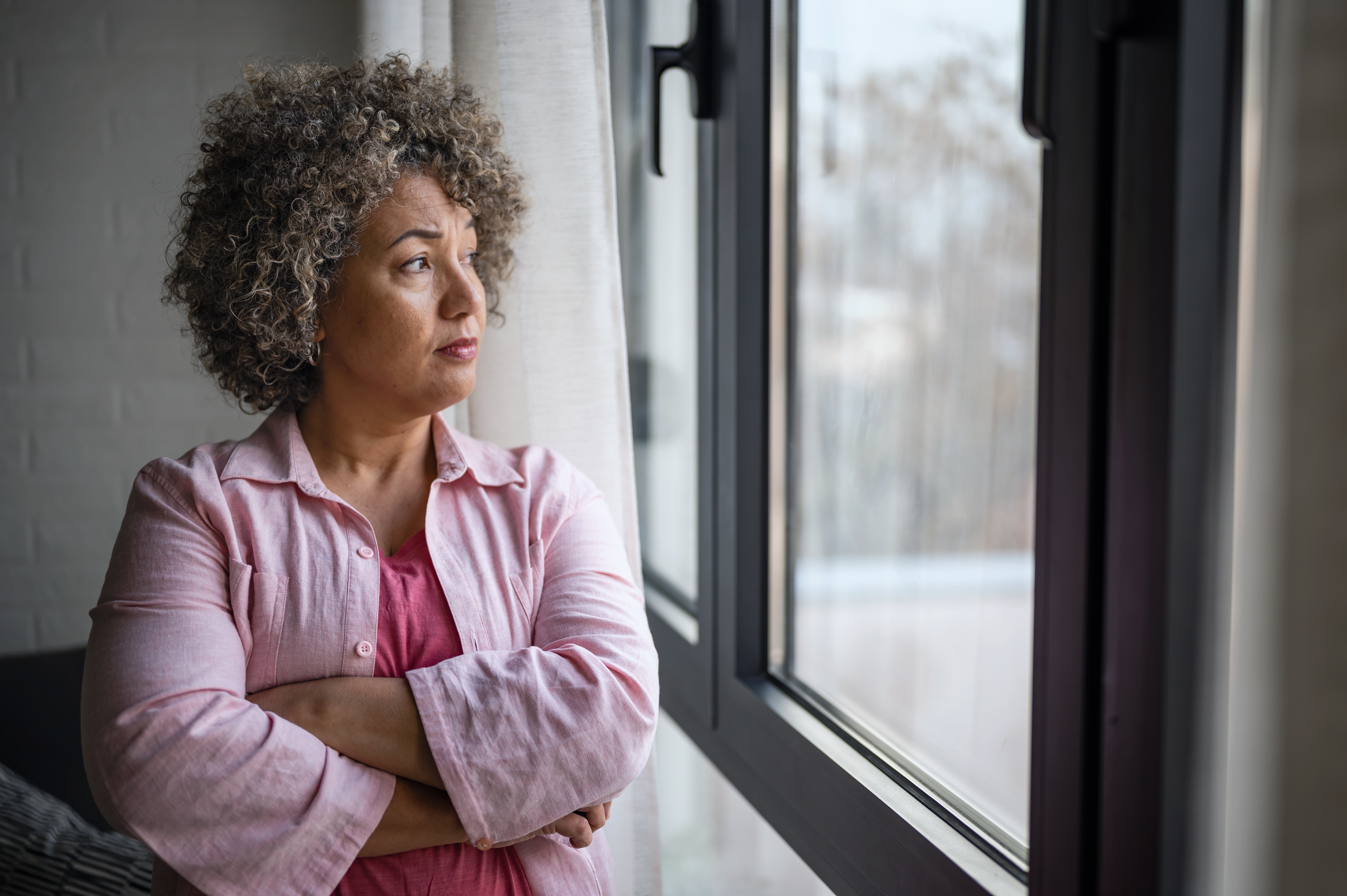
Signs of depression in women
The signs of depression can vary from person to person. Some symptoms are emotional. Others may show up in your body, your sleep, your appetite or the way you move through the day.
You might notice:
- Changes in appetite or weight
- Difficulty concentrating, remembering things or making decisions
- Fatigue or low energy
- Feeling guilty, hopeless or worthless
- Feeling persistently sad, anxious or empty
- Irritability, anger or restlessness
- Loss of interest in activities you used to enjoy
- Unexplained aches, headaches or digestive problems
- Sleeping too much or having trouble sleeping
- Thoughts of death or suicide
It’s common to wonder whether symptoms are related to stress, premenstrual symptoms, perimenopause or another life change. But if symptoms occur most days for at least two weeks, affect your daily life, or feel hard to manage, talk with a doctor or mental health professional.
Is depression more common in women or men?
Depression is more common in women than in men. Researchers are still studying why, but the difference likely comes from a combination of biological, social and life experience factors.
"Depression can look different from one person to another,” says Khan. “Understanding the signs and knowing when to seek help are important first steps towards getting effective treatment.”
Some researchers suggest men may be more likely to experience irritability anger and engage in risk-taking behaviors, while women may be more likely to report sadness, guilt or feelings of low self-worth. These are general patterns rather than rules. Anyone with depression can experience a wide range of symptoms.
What can contribute to depression in women?
Depression usually doesn’t have one cause. For many women, several factors overlap.
Hormonal changes
Hormonal changes may affect mood and increase the risk for depression for some women. These changes can happen around menstrual cycles, pregnancy, after childbirth, during perimenopause and after menopause.
Some women may also be at increased risk of depression during or after pregnancy, following pregnancy loss, during intertility treatments or around major changes related to reproductive health. Postpartum depression is a specific type of depression that can happen after childbirth and can affect mood, energy, sleep, daily functioning, and bonding with a baby.
Stress and caregiving responsibilities
Women may carry significant caregiving responsibilities at home, at work or in their families. Caring for children, aging parents, partners or other loved ones can be meaningful, but it can also become stressful without enough support.
Work stress, financial concerns, relationship strain, social isolation and lack of time for rest can also contribute to depression symptoms.
Trauma and abuse
Trauma can increase the risk of depression. This may include childhood trauma, sexual assault, intimate partner violence, emotional abuse or other experiences that make a person feel unsafe or powerless.
If you’re experiencing abuse, support is available. You can talk with a doctor, mental health professional or trusted person in your life. If you’re in immediate danger, call 911.
Social pressures and body image
Some women feel pressure to meet unrealistic expectations around appearance, work, caregiving, relationships or success. Over time, those pressures may contribute to stress, anxiety or depression symptoms.
Body image concerns may also affect mental health for some women. These concerns can be shaped by personal experiences, health changes, relationships, culture, media and social media.
Health conditions and family history
Some health conditions can increase the risk of depression or cause symptoms that look similar to depression. These may include chronic pain, thyroid disease, sleep disorders, substance use disorders or other medical conditions. A healthcare professional can help determine whether symptoms are related to depression, another medical condition or both.
Family history can also play a role. If depression runs in your family, you may have a higher chance of experiencing it.
When to seek support
You don’t have to wait until depression feels severe to ask for help. Talk with a doctor or mental health professional if you have symptoms that occur most days for at least two weeks, interfere with your relationships or responsibilities, or make it hard to feel like yourself.
Depression is treatable. Depending on your symptoms and needs, care may include talk therapy, medication, neuromodulation, lifestyle changes or a combination of approaches.
Getting support can help you better understand what’s happening and what kind of care may help.
Explore related topics
Your mental health matters
Talk to someone who cares. Mental health providers at Sutter are here to support you.
Meet our care team