


How to Sleep Better During Cancer Treatment
When you’re not feeling well, sleep can be a powerful solution. Unfortunately, insomnia and cancer are commonly a package deal.
“There are a number of factors that affect sleep patterns during a cancer journey,” says Christina Lasich, M.D., chief medical executive at Sutter Lakeside. “Fortunately, there are a number of ways to address them.”
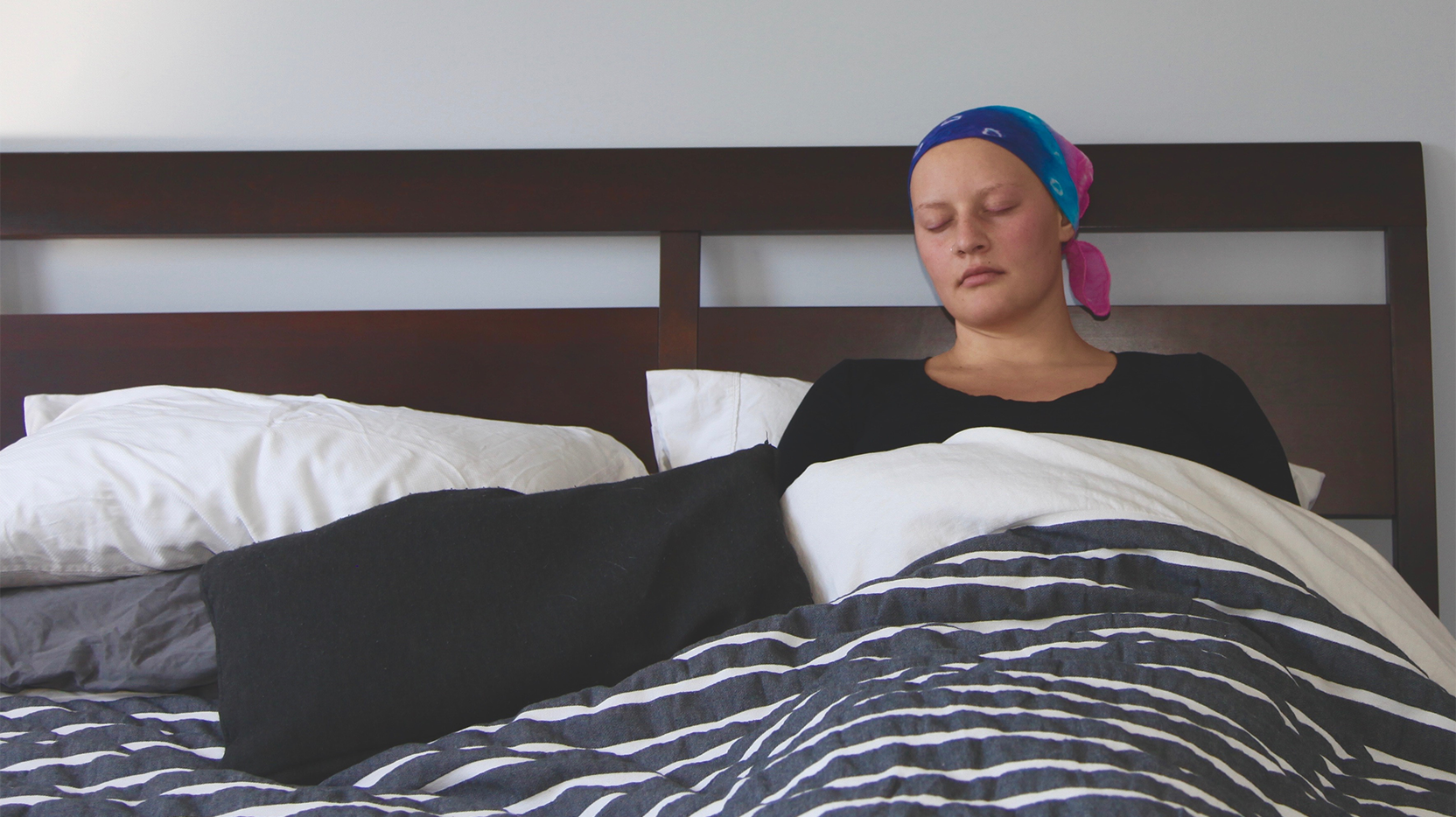
Sleep Deprivation and Cancer
Lasich, a physician who has been on her own cancer journey, emphasizes the importance of sleep for its impact on physical and psychological health. But, she says, “Sleep disruption happens immediately.”
First, a cancer diagnosis is an emotional and stressful event, which can cause insomnia (the inability to fall asleep or stay asleep). Then, the cancer itself, as well as treatment, can affect sleep by causing pain and discomfort, gastrointestinal or urinary problems, or fever and infections due to a weakened immune system.
“Both chemotherapy and radiation inflict their own injury on the body,” Lasich says. “We see hair loss and skin changes. But internal processes are disrupted as well. Sleep is a product of chemical reactions, and those can get derailed quite easily.”
Studies exploring radiation, chemotherapy and insomnia vary, but research has shown that insomnia affects 30% to 60% of patients being treated for cancer.
Daily Habits That Affect Sleep
When addressing insomnia and cancer, Lasich starts with pre-existing habits that might have an impact. For example, sugar, caffeine and alcohol consumption, she says, can cause chemical rollercoasters that affect sleep.
“Alcohol is toxic to the nerves and brain,” Lasich notes. “And if you’re undergoing chemotherapy, alcohol will make the nerves more vulnerable to the effects of chemotherapy.”
Lasich also recommends finding time for exercise — even if it’s light movement — at some point during the day if you are physically able. Physical activity can help you unwind the effects of stress.
Create a Comfortable Sleeping Space
Different treatments come with their own effects. Radiation and chemotherapy, for example, can cause skin sensitivities that make sheets or pajamas painful. Surgical sites can be painful, even long after the surgery. Lasich says comfort is key to getting a night of sleep. She recommends:
- New pajamas and sheets. Look for fabrics that don’t aggravate sensitive skin.
- Over-the-counter pain medications. Pain relievers can help you get to sleep when discomfort is too much.
- Pillows and/or a foam mattress topper. Experiment with combinations that help you find a comfortable sleeping position.
- Reclining or zero-gravity chairs. When sleeping in a bed is too painful, some people find relief in a recliner or a zero-gravity chair.
“Every situation will be different,” Lasich says. “I can’t emphasize enough to find what works for your body.”
Prepare the Mind for Sleep
“Leading up to sleep, you want a calmer nervous system,” Lasich says. To help prepare your mind for sleep, she suggests:
- Avoiding social media and the news as bedtime nears.
- Doing repetitive tasks that you personally find relaxing, such as knitting, painting, or crafting.
- Downloading a sleep app and tap into the power of calming music.
- Trying a “sleepytime” or calming tea with chamomile or passionflower.
- Using meditation or breathing techniques to stop anxious thoughts from taking over.
Talk to Your Provider About Insomnia
If you’re struggling with insomnia and cancer, talk to your doctor right away.
“Sleep is part of the treatment. It can’t be overestimated in its power to help heal and restore,” Lasich says.” And if you’re finding yourself so fatigued because of the lack of sleep, that physically isn’t helping the healing and recovery process.”
To help with that conversation, Lasich recommends keeping a sleep journal, where you keep track of what you’ve tried and its impact. “Journaling throughout the treatment process can help you process the emotions and get to a point of calmness and acceptance,” she says.
Your provider will likely discuss your daily habits and sleep hygiene. In addition, they might prescribe medications that can help stabilize brain chemistry to assist with sleep. Other medications can help reduce the effects of nerve pain (called neuropathy) and promote sleep.
You might also consider asking for a referral to a therapist. Whether you choose individual or group sessions, therapy can help you process your emotions and find a way to emotional wellness. “And emotional stability can help with sleeping,” Lasich says.
Cancer Care That Goes Further
Our compassionate oncology teams at Sutter are here to support you while providing innovative, evidence-based treatment.