Is HRT Safe?
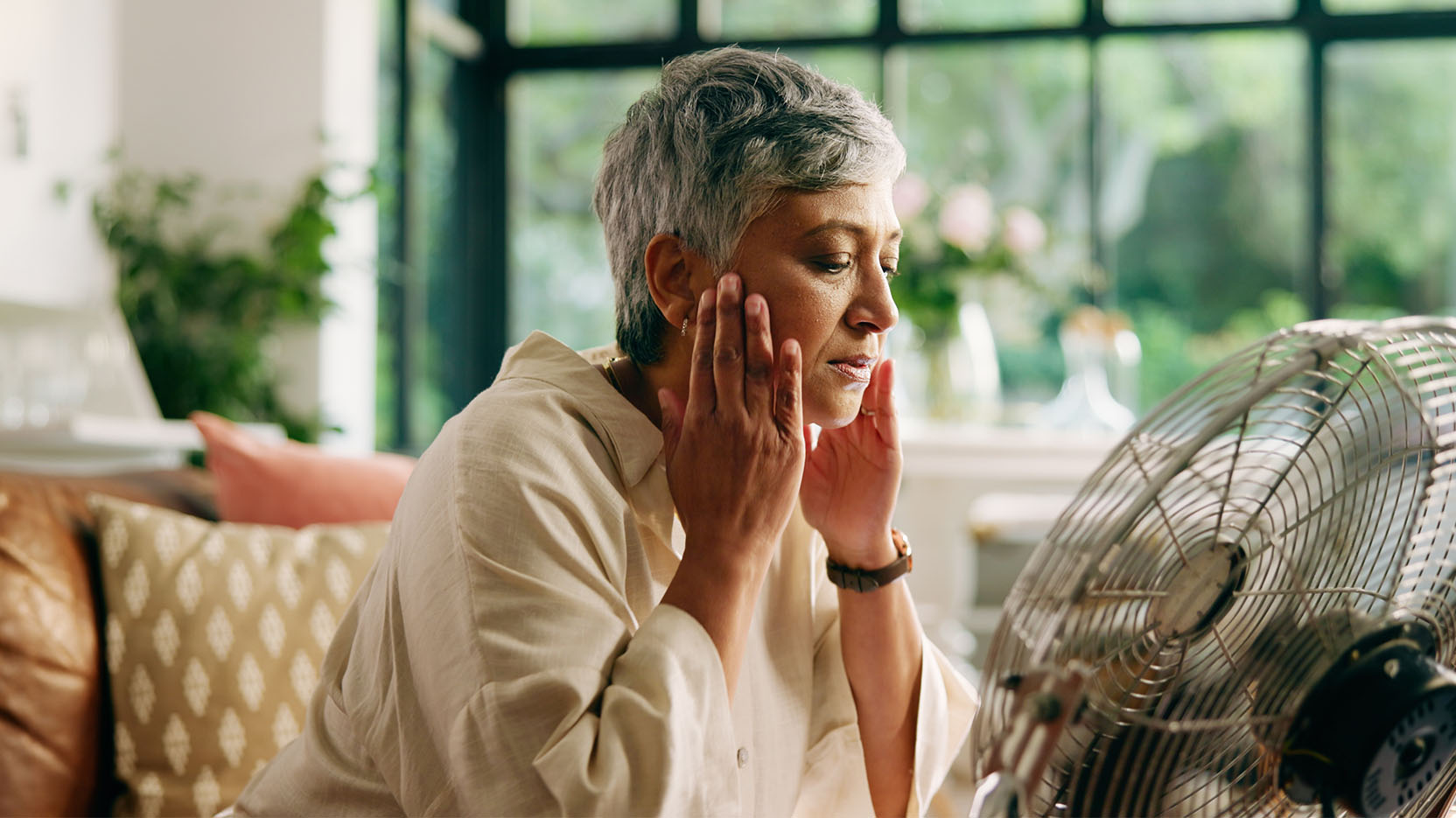
You wake up drenched in sweat. At work, you’re fanning yourself, wondering if it’s just warm in here or if you’re having yet another hot flash. Your weight is creeping up, your mood feels off and your memory isn’t quite as sharp as it used to be.
No, you’re not going crazy. These are common signs of changing hormones. And if they’re disrupting your daily life, it might be time to see a doctor.
You may be wondering about hormone replacement therapy (HRT), also called menopause hormone therapy. But with so much mixed messaging over the years, it’s natural to wonder: Is it actually safe?
The answer isn’t the same for everyone. But understanding how HRT works — and how the risks and benefits apply to you — can help you have a more informed conversation with your provider.
What Is HRT?
Menopause is the end of a woman’s menstrual cycles. If you’ve gone 12 months without a period, you’ve officially reached menopause. But a lot of the symptoms — hot flashes, night sweats, mood swings — often begin years before your final period.
During this time, your body produces less estrogen. So, the goal of HRT is to replace the hormones your body isn’t making on its own.
There are two main types of HRT:
- Estrogen-only HRT
- Combination HRT, which includes estrogen and a form of progesterone (called a progestogen)
These therapies can be:
- Whole-body (systemic) hormone therapy. Pills, patches, gels, sprays or rings that circulate through your bloodstream.
- Low-dose vaginal estrogen. Used specifically for vaginal and urinary symptoms, like dryness or discomfort.
Benefits of HRT
When you talk with your provider about HRT, the conversation usually centers on one key question: Do the benefits outweigh the risks for you?
For many women, HRT can make a noticeable difference in how they feel day to day. Common benefits include:
- Fewer or less intense hot flashes and night sweats
- Better sleep
- Improved mood and mental clarity
- Relief from vaginal dryness and discomfort
- Improvement in urinary symptoms
HRT can also help protect bone health, reducing the risk of osteoporosis and fractures over time. Some research has also explored potential benefits related to heart health, brain health and metabolism — but these aren’t the primary reasons HRT is prescribed.
For most people, the biggest benefit is simple: feeling more like yourself again.
Is HRT Safe?
This is usually the biggest question, and the one that can feel the most confusing.
The short answer is that HRT can be safe for many people, especially when it’s started at the right time, with the right formula and dosing, and used appropriately. But it’s not risk-free, and your individual health history matters.
In general, starting HRT before age 60 or within about 10 years of menopause may help limit certain risks. That timing piece is important, and it’s something your provider will consider carefully.
At the same time, there are some known risks associated with HRT. Depending on the type and duration of treatment, these can include:
- Blood clots
- Breast cancer
- Endometrial (uterine) cancer
- Gallbladder disease
- Heart disease
- Stroke
This is often where people feel overwhelmed — but a lot of the confusion comes from older studies that looked at different populations and older forms of hormone therapy.
Today, providers have a better understanding of how factors like age, timing, dose and type of hormone therapy affect risk.
For example:
- Estrogen-only therapy does not appear to increase breast cancer risk in certain younger menopausal women without a history of breast cancer
- Combination therapy may slightly increase breast cancer risk when used long term—but the increase is considered small
It’s also important to know that estrogen-only therapy can increase the risk of endometrial cancer in women who still have a uterus, which is why a progestogen is usually added.
All of this is to say: The safety of HRT isn’t a simple yes or no. It’s about how the therapy fits your overall health picture.
For many healthy women with bothersome symptoms, HRT can be a safe and effective option when used thoughtfully and monitored over time.
Explore related topics
Care for Every Stage of Life
From annual exams to menopause support, our women’s health providers are here to listen with respect and compassion.
Meet our care team