Questions to ask your orthopedic doctor
When you meet with an orthopedic specialist, you’ll answer questions about your symptoms, health history and goals. It’s just as important to ask questions of your own.
Understanding your diagnosis, treatment options and recovery plan can help you make informed decisions about your care. Use these questions to prepare for your visit and make the most of your time with your orthopedic care team.

Questions about your ortho diagnosis
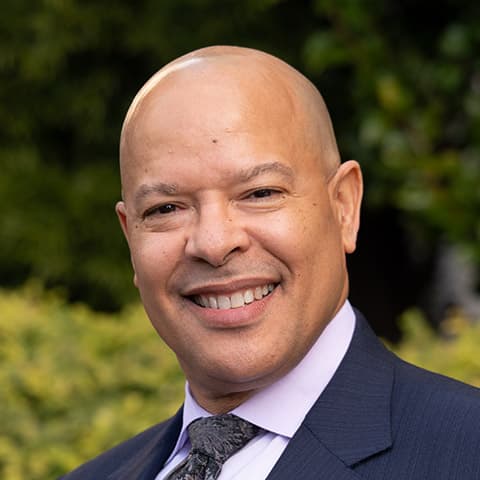
Deryk Jones, M.D., an orthopedic surgeon and sports medicine specialist with Sutter, says patients should leave their visit with a clear understanding of their diagnosis.
Start by asking: What is my condition, and can you explain it in a way I’ll understand?
“Ask them to explain your condition to you in layman’s terms with some visual images or analogies,” Jones suggests. “Analogies are very good tools to help explain things for people.”
For example, comparing a meniscus to a shock absorber or a shoulder joint to a golf ball and tee can help you visualize what’s happening inside your body.
Other questions to ask include:
- What may happen if I don’t treat this condition now?
- Are there activities I should avoid or modify?
- What can I realistically expect to be able to do after treatment?
- Where can I find reliable information about my condition?
Be specific about your own goals. If you want to return to running, gardening, playing with your grandchildren or another activity, tell your clinician. That information can help guide your treatment plan.
Questions about nonsurgical treatment options
Many orthopedic conditions can be treated without surgery. Depending on your diagnosis, your clinician may recommend physical therapy, bracing, medication, injections or other treatments.
Consider asking:
- What nonsurgical treatment options do you recommend for me?
- Can physical therapy help?
- Are there exercises I can safely do on my own?
- Would changes to my activities or lifestyle help?
- How long should I try this treatment before we evaluate whether it’s working?
- What signs would tell us that I need different treatment?
If your orthopedic specialist recommends an injection, you may also want to ask:
- What is being injected, and what is it expected to do?
- What are the potential benefits and risks?
- How long might the effects last?
- How often can this treatment be repeated safely?
- What should I expect afterward?
Questions about orthopedic surgery
If surgery is recommended, make sure you understand why it may be the right option, what the procedure involves and what you can expect afterward.
Jones recommends asking questions such as:
- Why are you recommending this procedure?
- Are there reasonable alternatives to surgery?
- How often do you perform this procedure?
- What results can I realistically expect?
- What are the most common risks or complications?
- How long is recovery likely to take?
- What will my follow-up care involve?
You can also ask what would happen if you chose to delay surgery or didn’t have the procedure. Understanding the benefits, risks and alternatives can help you make a decision that fits your health needs and goals.
Questions about recovery
Understanding what to expect after a procedure can help you prepare for recovery.
Ask your orthopedic surgeon:
- How will my pain be managed after surgery?
- How long might recovery take?
- What restrictions will I have during recovery?
- When can I return to work, driving, exercise and other activities?
- Will I need physical therapy or other rehabilitation?
- Will I need help at home?
- Is there anything I should do to prepare for my home before surgery?
- What symptoms should prompt me to call my care team?
Tips for better communication
A few simple strategies can help you remember important information and feel more confident about your care:
- Review your after-visit information. Your after-visit summary may include instructions, medications, follow-up appointments and other details about your care.
- Bring someone with you. A friend or family member can listen, take notes and help you remember questions you wanted to ask.
- Take notes. Keep important information about your diagnosis, treatment plan, medications and questions in one place.
- Speak up when something isn’t clear. Ask your clinician to explain unfamiliar terms or repeat information you don’t understand.
Explore related topics
Move better, live better
Whether it’s a new injury or long-term pain, our orthopedic team is here to help you heal and get back to the life you love.