The new era of breast cancer surgery
When you face a breast cancer diagnosis, the immediate focus is naturally on removing the cancer and healing physically. For decades, care has centered almost entirely on these clinical outcomes. But as treatments advance, a major shift is happening in women’s health — recognizing that your emotional well-being, body identity and quality of life after treatment matter just as much.
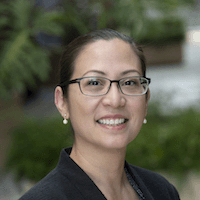
Rita Kwan-Feinberg, M.D., a breast and robotic surgeon with Sutter, understands the profound impact these procedures have on her patients' lives.
“We've learned that just as the physical part of recovery is important, so is the mental and emotional recovery from such a big surgery,” Dr. Kwan-Feinberg says. “To be able to maintain the identity of one's own body, which includes maintaining the breast's size and shape, is extremely important for women.”
Dr. Kwan-Feinberg explains that in the past, women undergoing mastectomies often had to accept significant changes to their bodies, including large, visible scars and a complete loss of sensation in their chest. Today, innovative technologies are offering new hope and better options.
A breakthrough robotic approach
Traditionally, a nipple-sparing mastectomy requires a large incision across the bottom of the breast. While effective at removing cancer, it can leave a prominent scar and typically results in a loss of feeling.
Recently, Dr. Kwan-Feinberg and her team successfully performed the first robotic bilateral nipple-sparing mastectomy at a community hospital in the United States. By using an advanced, single-port robotic system, surgeons can now approach the procedure differently.
“Through a small incision the size of a paperclip, we're able to perform an entire nipple-sparing mastectomy,” Dr. Kwan-Feinberg explains. Because the robotic instruments are designed to work in incredibly small spaces, the surgery is performed through a tiny, hidden scar on the side of the body, resulting in excellent cosmetic outcomes and less pain.
Using this technology also gives our teams the ability to perform breast reconstruction at the same time as a mastectomy. By combining these steps into a single procedure, you’ll wake up feeling more like yourself right from the start.
Preserving sensation and identity
Beyond the physical benefits of a smaller incision, one of the most profound advantages of this new method is the preservation of feeling.
With traditional methods, doctors usually have to tell patients to expect a complete loss of sensation after a nipple-sparing mastectomy. The robotic technique, however, has a much higher success rate for protecting that vital nerve function.
“Nipple sensation preservation is a huge quality of life factor,” Dr. Kwan-Feinberg says. “When going through such a difficult time with the diagnosis of breast cancer, to be able to preserve sensation and sexuality is so important.”
For many women, maintaining the look and feel of their chest is a crucial step in feeling whole again and putting the trauma of treatment behind them.
Driven by compassion
Bringing this level of surgical innovation to Northern California requires a massive, coordinated effort from nurses, techs, anesthesiologists and generous community donors. For Dr. Kwan-Feinberg and her team, the motivation behind this hard work is deeply personal.
“We talk about how this is for our wives, our daughters, our mothers, our sisters, our best friends, our coworkers,” Dr. Kwan-Feinberg says.
Exploring your options
If you or a loved one is navigating a breast cancer diagnosis, it’s important to know that you have choices.
- Ask questions: Talk to your care team about all available options, including minimally invasive and robotic procedures.
- Discuss your goals: Be open with your doctor about what matters most to you regarding your appearance, sensation and emotional recovery.
- Seek support: Lean on your healthcare team, support groups and loved ones to help you make the decision that is right for your life.
Explore related topics
Take the next step
At Sutter, we‘re here to support you through every phase of your care. Learn more about our comprehensive breast cancer services and find a specialist near you.
Meet our care team