Who is part of your orthopedic care team?
When pain or limited mobility keeps you from the activities you enjoy, getting back to them may take more than one type of specialist. At Sutter, orthopedic care often involves a team of clinicians who work together to diagnose your condition, coordinate treatment and support your recovery.
Here’s a look at some of the specialists you may meet and the role each can play in your care.
The clinical core
Depending on your diagnosis and treatment needs, your orthopedic care team may include:
- A general or nonsurgical orthopedic specialist who evaluates and treats a wide range of orthopedic conditions. If surgery may be needed, you may be referred to an orthopedic surgeon.
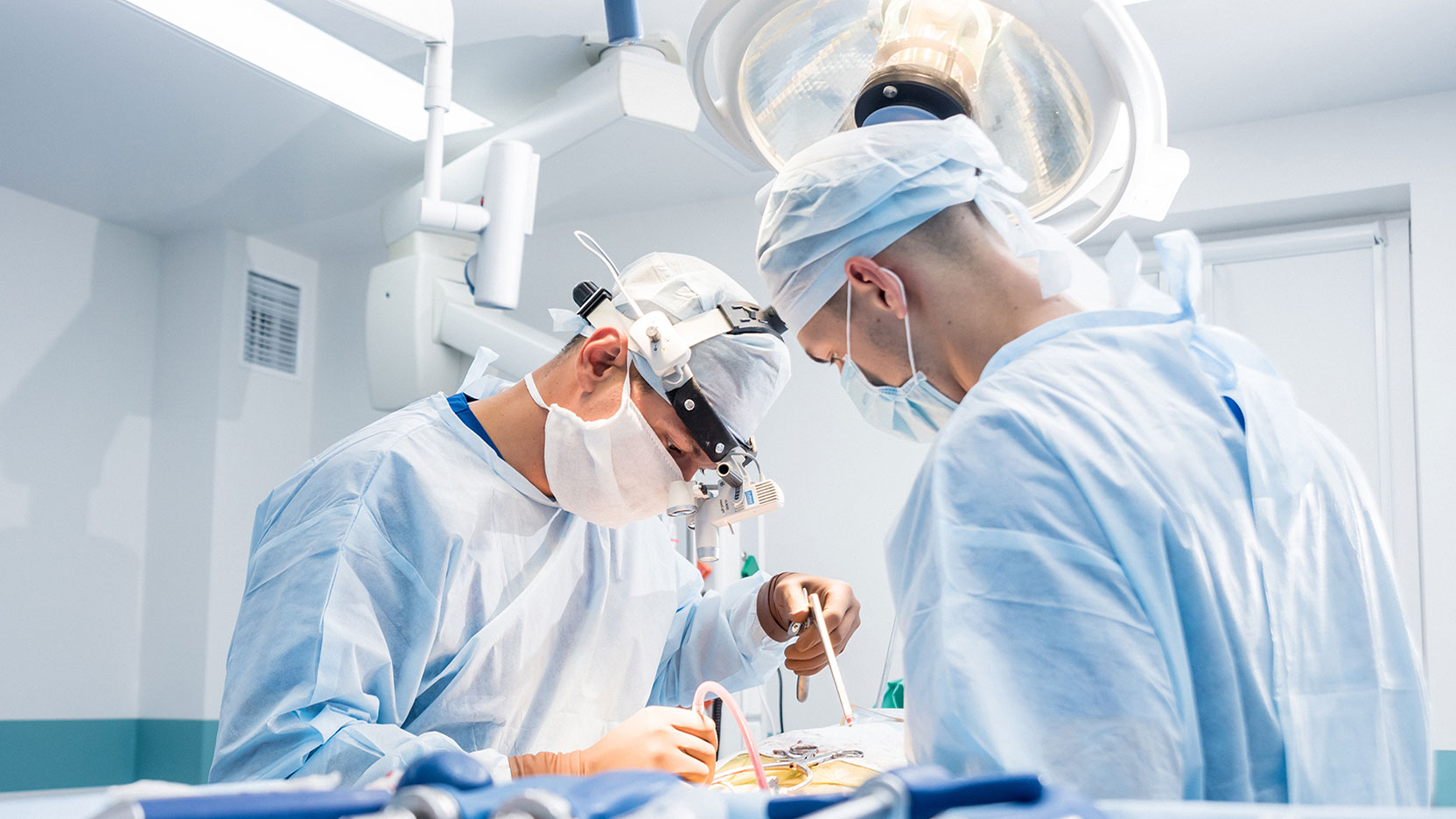
- An orthopedic surgeon who specializes in surgical procedures to repair or replace damaged bones, joints, muscles, tendons, ligaments and other musculoskeletal tissues.
- Advanced practice clinicians (APCs), including nurse practitioners and physician assistants who specialize in orthopedics. They may evaluate injuries and conditions, order tests, provide treatment and help connect you with the appropriate specialist.
Deryk Jones, M.D., an orthopedic surgeon and sports medicine specialist with Sutter, says APCs can be an important first point of contact.
“APCs are a great access point in the Sutter system for front-line evaluation to help diagnose your injury or condition and direct you to the appropriate specialist. They’re focused on musculoskeletal injuries, so they’ll speed up the workup and evaluation of your complaint and direct the referral to a specific specialist more quickly than a primary care doctor can as they don’t see those conditions on a regular basis.”
He adds that APCs work directly with orthopedic surgeons at Sutter, helping patients connect with the appropriate clinician for their needs.
Your extended support team
Your care team may also include specialists who help you prepare for treatment, recover and return to everyday activities.
- Physical therapists help you build strength, improve mobility, correct imbalances and return to activity after an injury or surgery. Before surgery, they may also teach you how to use equipment such as a walker or crutches and help you plan for moving safely at home during recovery.
- Occupational therapists help you find safe ways to perform everyday tasks, such as dressing, bathing and cooking, while recovering from an orthopedic injury or procedure.
- Dietitians can provide nutrition guidance to support your overall health, joint health and preparation for surgery. If weight is affecting your surgical risk or treatment options, they can also help you work toward goals recommended by your care team.
Physical therapists may also help with sports performance and returning to activity. Jones says this can benefit both patients recovering from surgery and people who want to improve their performance.
“They can help when you’re ready to work on your sport-specific skills — if you’re a soccer player, it’s kicking, if you play tennis or volleyball, it’s how you hit the ball, how you jump and how you land.”
These therapists can assess your progress and help determine when you’re ready to advance to the next stage of training.
“They know when to push the envelope and when not to,” Jones says, “because they know the specific milestones you need to hit to progress to the next level.”
You don’t need to be recovering from an injury to improve athletic performance. Sports rehabilitation specialists can help improve strength, speed, stability and movement patterns that may lower injury risk.
Explore related topics
Move better, live better
Whether it’s a new injury or long-term pain, our orthopedic and sports medicine teams are here to help you heal.