Why Should Kids Play Sports?
Sports can teach kids all kinds of lessons they’ll use well beyond the field. Being part of a team helps them stay active, learn to manage their time, and build strong relationships with both peers and adults. The confidence and skills they develop through sports can support them at school, at home and later in life.
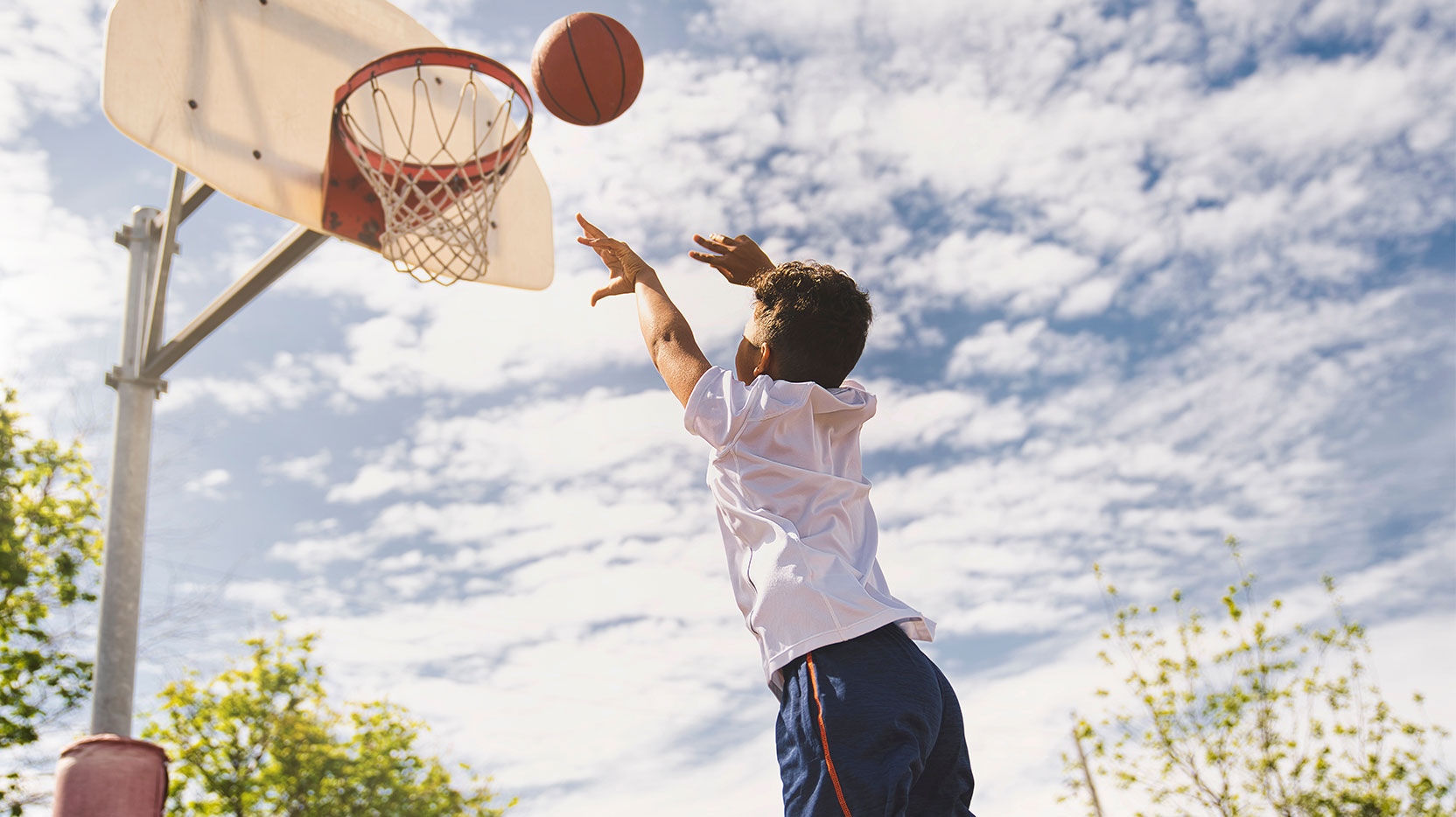
Benefits of Kids’ Sports
A lot of parents wonder why kids should play sports in the first place. The truth is, the benefits go far beyond childhood athletics.
“I have three children that were actively involved in youth sports as children,” says Deryk Jones, M.D., an orthopedic surgeon and sports medicine specialist at Sutter. “Their involvement provided amazing memories for our family, and they continue to maintain healthy, active lifestyles. The benefits are lifelong.”
Family time: Sports can give you and your child meaningful time together that you might not get otherwise. Supporting them at practice or cheering them on at games can strengthen your bond and help build their confidence.
Health: Staying active through sports can make a big difference in your child’s overall well-being. Regular movement helps with weight management and long-term health. And as kids work to improve, they naturally learn about good nutrition and healthy habits that help them perform their best.
Leadership skills: Sports give kids the chance to learn from teammates, coaches and other role models. Along the way, they also start building their own leadership skills. Whether they take on roles like team captain or simply set a positive example during practice, kids learn how their actions can influence and support the whole team.
New friends: Organized sports open the door to new friendships. Kids meet teammates from different schools, backgrounds and communities. And those connections often last well beyond the season. It’s a great way for kids to find friends who share their interests and cheer each other on.
School: Being a student-athlete can be a lot to juggle, but it can also help with school success. Kids quickly learn to manage their time so they can balance practice, games and homework. Many sports programs also require students to keep their grades up, which can motivate them to stay focused and put in the effort academically.
Nutrition for Kids’ Sports
When kids play sports, it’s normal for them to feel extra hungry. Their bodies burn a lot of energy, so they need more fuel to stay healthy and active. Here are a few simple ways to support your young athlete.
- Eat a balanced diet. An athlete’s meals should include complex carbohydrates, proteins, vitamins, minerals and healthy fats. About 20 to 25% of their energy comes from fat, so getting enough of it helps keep their energy levels steady. It also helps to limit salt and simple sugars.
- Fuel up. Have them eat before training — and even during long practices or games. Regular fueling helps maintain their blood glucose levels, which supports steady energy and stronger performance.
- Prioritize protein. Athletes should eat protein 30 minutes to an hour after practice and games. Easy options include milk, turkey rollups, almonds and yogurt.
- Stay hydrated! Kids lose a lot of fluid when they’re active, and dehydration can be dangerous. Encourage your athlete to drink plenty of water throughout the day and especially around practices and games.
Sports Injury Prevention
Injuries can happen in any sport, but there’s a lot parents and coaches can do to help keep kids safe. A few simple steps can go a long way in preventing common sports injuries.
The basics of sports injury prevention for kids include:
- Buy the right gear: Depending on your child’s sport, there may be specific equipment they need. Choose age-appropriate gear like helmets, shin guards, athletic cups for boys, mouth guards, elbow and knee pads, goggles and sneakers or cleats.
- Check for age and skill level: Playing with kids who are significantly older, bigger or more advanced can increase the risk of injury. Look for a league or team that matches your child’s size and maturity level so they can compete safely.
- Get a sport physical exam: A doctor can check for orthopedic, heart-related or other conditions that might make injuries more likely. This quick exam helps ensure your child is ready to play.
- Hydrate: Drinking enough water is essential. Dehydration can cause dizziness, cramps and other problems, so make sure your child drinks regularly before, during and after activity.
Hydration and Heat Safety
Young athletes, along with their parents and coaches, need to understand the basics of hydration and heat safety. Kids are more vulnerable to heat-related injuries than adults because they produce more heat, sweat less and their circulation systems are still developing. To help your young athlete stay safe, keep these tips in mind:
- Hydrate early: Smart hydration starts the day before activity. Encourage steady drinking during practices and games. You can also consider electrolytes to help replace what they lose through sweat.
- Know the signs of heatstroke: Heatstroke can cause a high body temperature over 104°F, cool and clammy skin, goose bumps, fainting or dizziness, increased thirst, cramps, headache, nausea or vomiting. If you notice any of these symptoms, stop activity right away and call 911.
- Limit outdoor activity: Whenever possible, use air-conditioned spaces for training. If you’re outdoors, aim for early morning or evening sessions when the sun is less intense.
- Monitor the weather: Always check the heat index before practice. Use extra caution when the heat index is between 90°F and 105°F. Outdoor activities should be canceled if it rises above 105°F.
- Protect their skin: Apply sunscreen with an SPF of 15 or higher, and have your athlete wear light-colored clothing and a hat when they can.
Keeping kids active and involved in sports can be a rewarding experience for the whole family. With the right guidance, encouragement and safety practices, young athletes can build confidence and enjoy all the physical and emotional benefits that come with playing the sports they love. If you stay engaged and support them along the way, you’ll help set them up for a lifetime of healthy habits and positive experiences.
Explore related topics
Set Your Athlete Up for Success
A sports physical will help ensure your child is healthy before taking to the field or court.